How to Build a Professional 3D Artist Portfolio in 2026
A 3D artist portfolio is an online collection of rendered images, animations, and interactive models showcasing a 3D artist's technical skills and creative style. Building one that actually lands jobs requires more than uploading images. You need a plan for handling massive file sizes, presenting technical workflows, and grabbing a recruiter's attention within seconds.


What Is a 3D Artist Portfolio and Why Does It Matter?
A 3D artist portfolio is an online collection of rendered images, animations, and interactive models that show off your technical skills and creative style. Unlike traditional art portfolios with static images, 3D portfolios need to communicate modeling, texturing, lighting, rigging, and animation ability all at once.
Recruiters at game studios, VFX houses, and animation companies go through hundreds of portfolios. They want proof you can handle a full production pipeline, not just follow tutorials. Your portfolio shows them you understand real-world workflows and can solve production problems.
According to MAGES Institute, the average recruiter spends 30-60 seconds on an initial portfolio review. Your strongest work needs to appear first, with clear navigation to deeper project details.
Related guides
- How to Build a Professional Motion Graphics Portfolio (2026 Guide)A motion graphics portfolio is more than just a collection of clips. It's your professional identity. Whether you're a...
- How to Build a Professional Photography Portfolio WebsiteA photography portfolio website is your digital storefront, but most builders silently crush your image quality. This...
- How to Create an Architecture Portfolio WebsiteAn architecture portfolio website is your digital business card, showing your design philosophy and technical skills to...
- Best Filemail Alternatives for Large File Transfers (2026)Filemail is a popular choice for sending large files, but its restrictive free transfer limits and expiration policy...
- Unlimited File Size Sharing: Professional Tools That Don't Cap Your WorkWorking with large video files, CAD models, and heavy datasets means outgrowing consumer tools fast. While many...
- How to Choose a Video Delivery Service for Professional ProjectsProduction companies and content creators need to deliver video files that arrive exactly as they left the timeline,...
More on this subject: File Sharing (155 guides)
What Should a 3D Artist Portfolio Include?
A strong 3D artist portfolio has 15-20 carefully selected pieces showing both range and depth. Quality beats quantity every time. Three exceptional projects will land you more interviews than fifteen mediocre ones.
Essential Portfolio Components:
Full-Body Character Models: Include two or three complete characters showing your ability to handle anatomy, topology, UV mapping, and texturing. Show wireframes and texture sheets alongside final renders.
Environment or Prop Work: Round out your portfolio with architectural scenes, vehicles, weapons, or environmental storytelling pieces that prove you can handle more than one discipline.
Animation Clips: If you animate, include a handful of short clips totaling under a minute. Focus on acting, body mechanics, or technical demos like cloth simulation.
Work-in-Progress (WIP) Renders: Show your process. Recruiters want to see how you solve problems, not just polished finals. Include blockout stages, lighting tests, and iteration notes.
Technical Breakdowns: For complex pieces, write short descriptions of your pipeline, software used, challenges you ran into, and how you solved them.
Animation files can be massive at professional bitrates. Standard portfolio platforms compress video to keep costs down, which degrades your work. Host high-resolution reels separately and link them from your main portfolio.
How Many Pieces Should Be in a 3D Art Portfolio?
Most industry experts recommend fifteen to twenty pieces. But your top few pieces matter most, since many recruiters only look at the first entries before deciding whether to keep reading.
That range is the industry standard across professional portfolio guides and hiring manager recommendations. Going below ten can suggest limited experience, while exceeding twenty-five often leads to unfocused presentations.
A portfolio with twelve exceptional pieces will outperform one padded with average works. Be ruthless in your curation: if a piece does not represent your current skill level, cut it.
Update frequency matters too. Add new work every few months, even if it is just one piece. Stale portfolios suggest inactive artists. Drop older work that no longer shows your current ability, especially student projects once you have several professional-quality pieces.
What Is the Best Portfolio Site for 3D Artists?
The platform you pick shapes how potential employers see your work. Each option has strengths and trade-offs.
ArtStation: The industry standard for game and VFX artists. It offers solid image quality, organized project galleries, and built-in job boards. Recruiters specifically looking for 3D talent search here first. The downside: video compression is aggressive, and free accounts have limited customization.
Behance: Better for multidisciplinary creatives who also do 2D design, photography, or branding. It draws a broader audience beyond games and VFX. Less focus on 3D-specific features like turntable viewers, though.
Personal Website: Full control over branding and presentation. You can embed 3D model viewers via Sketchfab, host uncompressed videos, and lay out navigation however you want. The trade-off is more setup time and ongoing maintenance.
Sketchfab: The go-to for interactive 3D model display. Most professional portfolios embed Sketchfab viewers so recruiters can inspect models from all angles. Free tier has upload limits and public-only models.
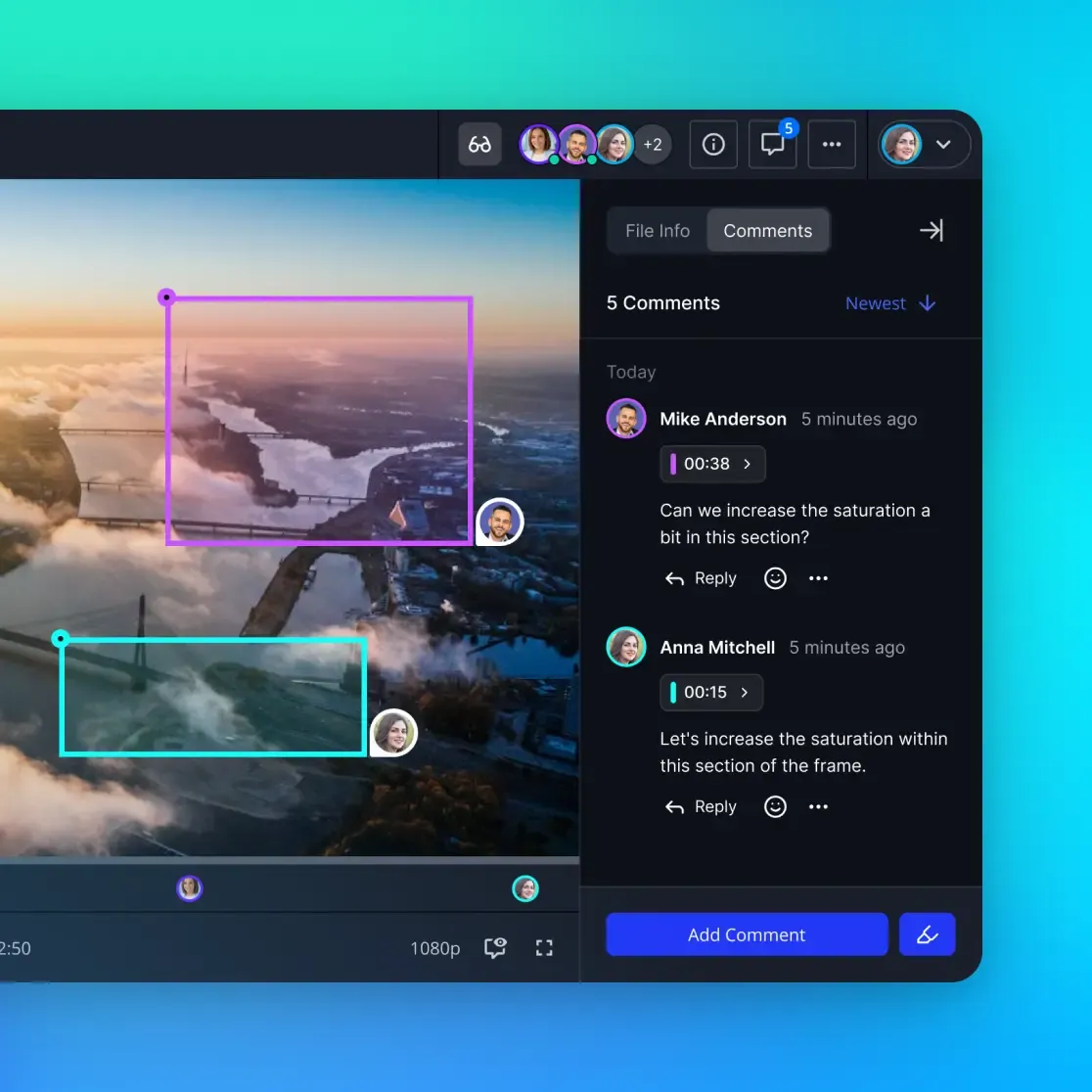
Fastio Workspaces: For sharing large files with studios or clients directly. When you need to send uncompressed renders, high-bitrate animation reels, or full project files, Fastio handles large uploads with no compression. You can create branded client portals and track who views what.
Many professional artists keep multiple presences: ArtStation for discovery, a personal website for full control, and Fastio for delivering large project files to clients.
How to Showcase 3D Work Online Without Losing Quality
Compression kills 3D portfolios. A heavily compressed video reel makes smooth animation look choppy and subtle lighting look flat. Here is how to maintain quality while keeping files accessible.
Video Compression Issues: Most portfolio platforms re-encode video to save bandwidth. ArtStation and Behance both compress uploads heavily. For animation reels, upload to Vimeo (paid plans have better quality than YouTube) and embed the player on your portfolio pages.
Image Optimization: Use WebP format for still images when possible. WebP offers 25-35% smaller file sizes than JPEG at the same quality. Export at full HD width for portfolio galleries. That displays well on most screens while keeping file sizes manageable.
3D Model Viewers: Skip turntable videos and embed interactive Sketchfab or ArtStation 3D viewers instead. They load faster and let recruiters inspect topology and wireframes directly.
File Delivery for Clients: When a studio requests your reel or project files, skip email attachments (typically limited to 25MB). Fastio gives you direct links for large files and built-in view tracking, so you know when recruiters access your work. Create password-protected shares for sensitive unreleased projects.
HLS Streaming for Reels: If you host video on your own site, use HLS (HTTP Live Streaming) adaptive bitrate technology. It adjusts quality based on the viewer's connection speed, preventing buffering while keeping resolution as high as possible. Fastio's universal media engine does this automatically.


Ready to share your 3D artist portfolio without compression?
Deliver uncompressed reels, high-res renders, and large project files on Fastio. Create branded client portals and track who views your work.
Common Portfolio Mistakes to Avoid
Recruiters see the same mistakes over and over. Avoid these to stand out for the right reasons.
Including Too Much Work: Fifteen to twenty pieces is the sweet spot. More than that dilutes impact and suggests you cannot self-curate. Cut student work once you have a few professional-quality pieces.
Missing Technical Details: Show wireframes, texture maps, and breakdowns. Recruiters need to verify you understand topology, UV layout, and optimization for real-time engines.
No Context or Descriptions: Every piece should have a short description: what it is, your role, software used, and timeline. Solo project or team effort? Did you handle modeling, texturing, and rigging, or just modeling?
Over-Reliance on Lighting Rigs: Pretty lighting can hide modeling problems. Include at least one clay or flat-lit render per character so recruiters can see the actual geometry.
Outdated Contact Info: Update your email, LinkedIn, and availability status monthly. Nothing frustrates recruiters more than finding a great candidate who does not respond.
Sending Large Files Incorrectly: Do not attach multi-gigabyte files to emails. Use professional file sharing with tracking so you know when materials were accessed. This also keeps your emails from being flagged as spam. Services like WeTransfer alternatives offer better options for large creative files.
Building a Portfolio That Converts Views Into Interviews
Getting views is only half the job. Your portfolio structure needs to guide recruiters toward reaching out.
Lead With Your Best Work: Put your three strongest pieces first. Recruiters may not scroll past the fold, so front-load quality.
Organize by Skill or Project Type: Group work logically. Character artists should separate creatures from humans. Environment artists might organize by interior/exterior or genre. Recruiters want to find relevant work fast, not dig through a random grid.
Include a Reel on Your Homepage: A short demo reel (about a minute) on your landing page gives a quick look at your range. Link to full project breakdowns for viewers who want depth.
Make Contact Easy: Put contact links in your header, footer, and after every major project. The easier you are to reach, the more inquiries you will get.
Track Engagement: Use analytics to see which projects get the most attention. Double down on styles or subject matter that perform well, and phase out work that gets ignored.
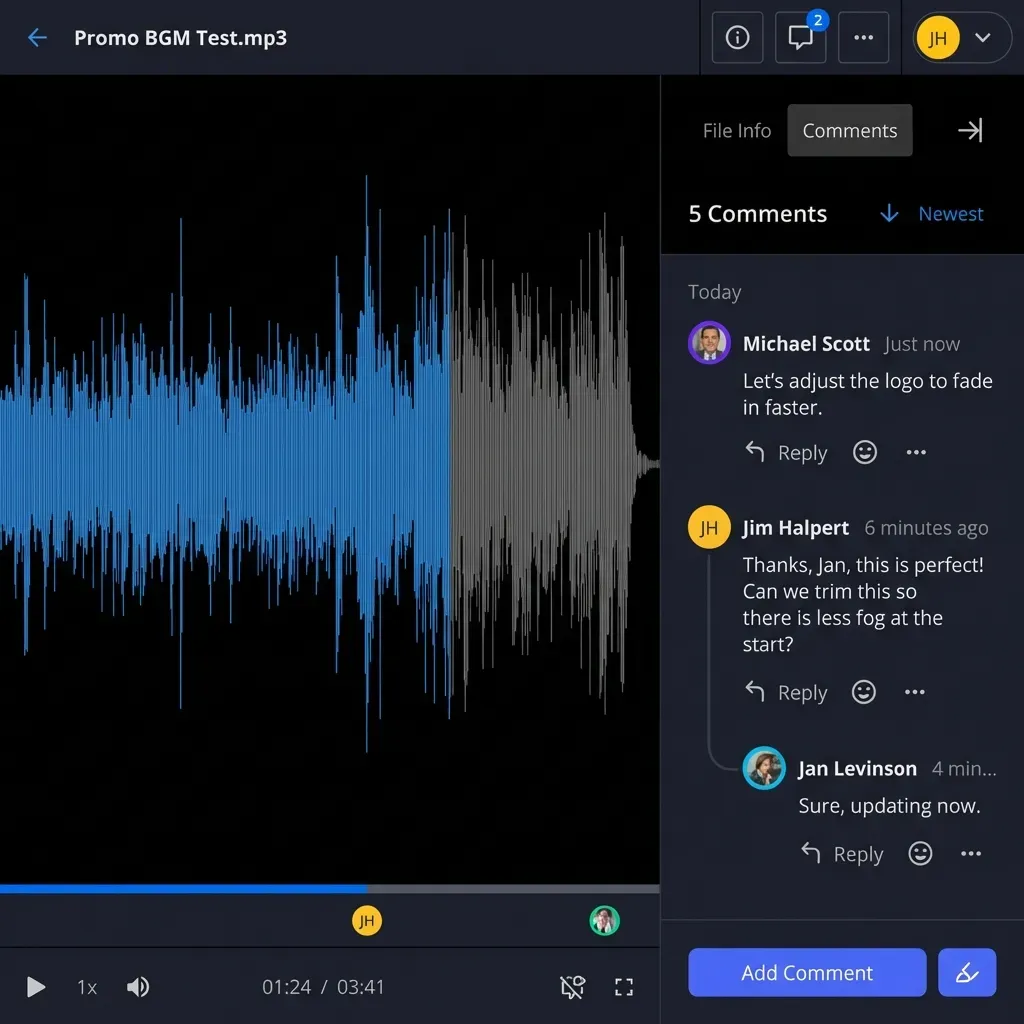
Create Client-Friendly Deliverables: When studios request your work, send organized folders with naming conventions they can follow. Include PDF breakdowns alongside source files. Fastio workspaces let you create branded portals for each client with organized file structures and view tracking.
Sources
References used to verify factual claims in this guide.
-
A strong 3D artist portfolio has 15-20 carefully selected pieces Recruiters spend 30-60 seconds on initial portfolio review
-
WebP offers 25-35% smaller file sizes than JPEG
-
Email attachments typically limited to 25MB
Frequently Asked Questions
What should a 3D artist portfolio include?
Include fifteen to twenty carefully selected pieces that show your full production capabilities. The essentials: two or three full-body character models with wireframes and texture sheets, environment or prop work showing versatility, a short animation clip if applicable, work-in-progress renders showing your process, and technical breakdowns explaining your pipeline and how you solved problems.
How do I showcase 3D work online without compression?
Host videos on Vimeo (paid plans have better quality than YouTube), use WebP format for images (25-35% smaller than JPEG), and embed interactive 3D viewers from Sketchfab instead of rendering turntable videos. For delivering large uncompressed reels directly to studios, use professional file sharing like Fastio.
What is the best portfolio site for 3D artists?
ArtStation is the industry standard for game and VFX artists, and professional recruiters actively search there. Behance works better for multidisciplinary creatives. Personal websites give you full control but require maintenance. Most professionals keep ArtStation for discovery and a personal site for detailed presentations, using Fastio for delivering large files to clients.
How many pieces should be in a 3D art portfolio?
Aim for fifteen to twenty pieces maximum. Quality beats quantity. A few exceptional projects land more interviews than a large collection of mediocre ones. Cut student work once you have several professional-quality pieces, and add new work regularly to keep things fresh.
How do I send large 3D files to clients or studios?
Email attachments are typically limited to 25MB, so do not try to send large creative files that way. Use professional file sharing with tracking so you know when materials are accessed. Fastio handles large files and includes view analytics, password protection, and branded client portals. Set up organized folder structures with clear naming conventions and include PDF breakdowns alongside source files.
Related Resources

Ready to share your 3D artist portfolio without compression?
Deliver uncompressed reels, high-res renders, and large project files on Fastio. Create branded client portals and track who views your work.