AWS Strands Agents: Build AI Agents with Amazon's Agent Framework
AWS Strands Agents is Amazon's open-source Python framework for building AI agents that use tools, maintain memory, and manage workflows on AWS. It uses a model-driven approach that makes agent development easier than using rigid, workflow-based tools.

What is AWS Strands Agents?
AWS Strands Agents is Amazon's open-source Python framework for building AI agents that use tools, maintain memory, and manage multi-step workflows on AWS. With AWS leading the cloud market, the launch of Strands marked a major change in how developers build autonomous systems. Unlike tools that rely on complex state machines, Strands focuses on simplicity and model-driven logic.
The framework lets developers create task-specific agents that use the reasoning and planning of large language models (LLMs). These agents are autonomous, meaning they can analyze a goal, select the right tools, and execute steps to get results without constant human intervention. Because it is open source and Python-based, it fits into existing workflows and is built specifically for the AWS ecosystem.
Helpful references: Fastio Workspaces, Fastio Collaboration, and Fastio AI.
Model-Driven vs. Workflow-Driven Orchestration
AWS Strands Agents is built around model-driven orchestration. Traditional frameworks like LangChain often rely on workflow-driven setups, where developers define every possible path or state transition. While this gives you control, it often breaks as tasks get more complex.
Strands trusts the LLM to handle reasoning and planning. Instead of a rigid flowchart, you give the agent a goal and a set of tools. The model then decides the best sequence of actions. This reduces repetitive code and makes agents more resilient. If a tool fails or a goal changes, the model can re-plan its steps on the fly rather than getting stuck.

Key Technical Capabilities of the Strands SDK
AWS Strands Agents is flexible and powerful. Even though it is an AWS product, it works with different providers. You can use it with Amazon Bedrock, Anthropic, or even local models via Ollama. This means developers are not locked into one provider and can pick the best model for their specific speed and cost needs.
The SDK supports several key features for modern AI agents:
- Tool Integration: Wrap any Python function as a tool the agent can call.
- Native Memory: Built-in support for keeping conversation history and state.
- Multi-Step Planning: Agents can break down a high-level request into a series of tasks.
- Deployment Flexibility: Since it is a Python SDK, you can run Strands agents on AWS Lambda for quick tasks, AWS Fargate for long-running processes, or local environments for testing.
According to AWS documentation, teams within Amazon, including those behind Amazon Q Developer and AWS Glue, are already using Strands in production to power their autonomous features.
AWS Strands vs. LangChain and CrewAI
When choosing a framework for your AI agent, it helps to compare Strands with established tools like LangChain and CrewAI. LangChain has the most integrations, but its many layers can make it hard to debug. CrewAI is great for multi-agent teams but might be too much for a single-purpose agent.
Strands sits in the middle. It is more lightweight than LangChain and more flexible than CrewAI for solo agents. For developers already using AWS, the built-in integration with Bedrock and IAM roles offers security and deployment benefits that other frameworks often lack.


Give Your AI Agents Persistent Storage
Get 50GB of free storage and MCP tools for your AI agents. No credit card required.
How to Build Your First AWS Strands Agent
Building an agent with Strands involves three main parts: the model provider, the tools, and the agent definition. First, you install the SDK. Then, you pick your LLM provider, for example Anthropic's Claude Sonnet via Amazon Bedrock.
Next, you define your tools. In Strands, a tool is just a Python function with a docstring that explains what it does. The SDK uses these notes to tell the LLM when and how to use the function. Finally, you start the agent and give it a goal.
One common challenge is managing agent output. Agents often create files or reports that need to be shared with team members or stored for later. This is where a persistent workspace helps you move beyond temporary local storage.
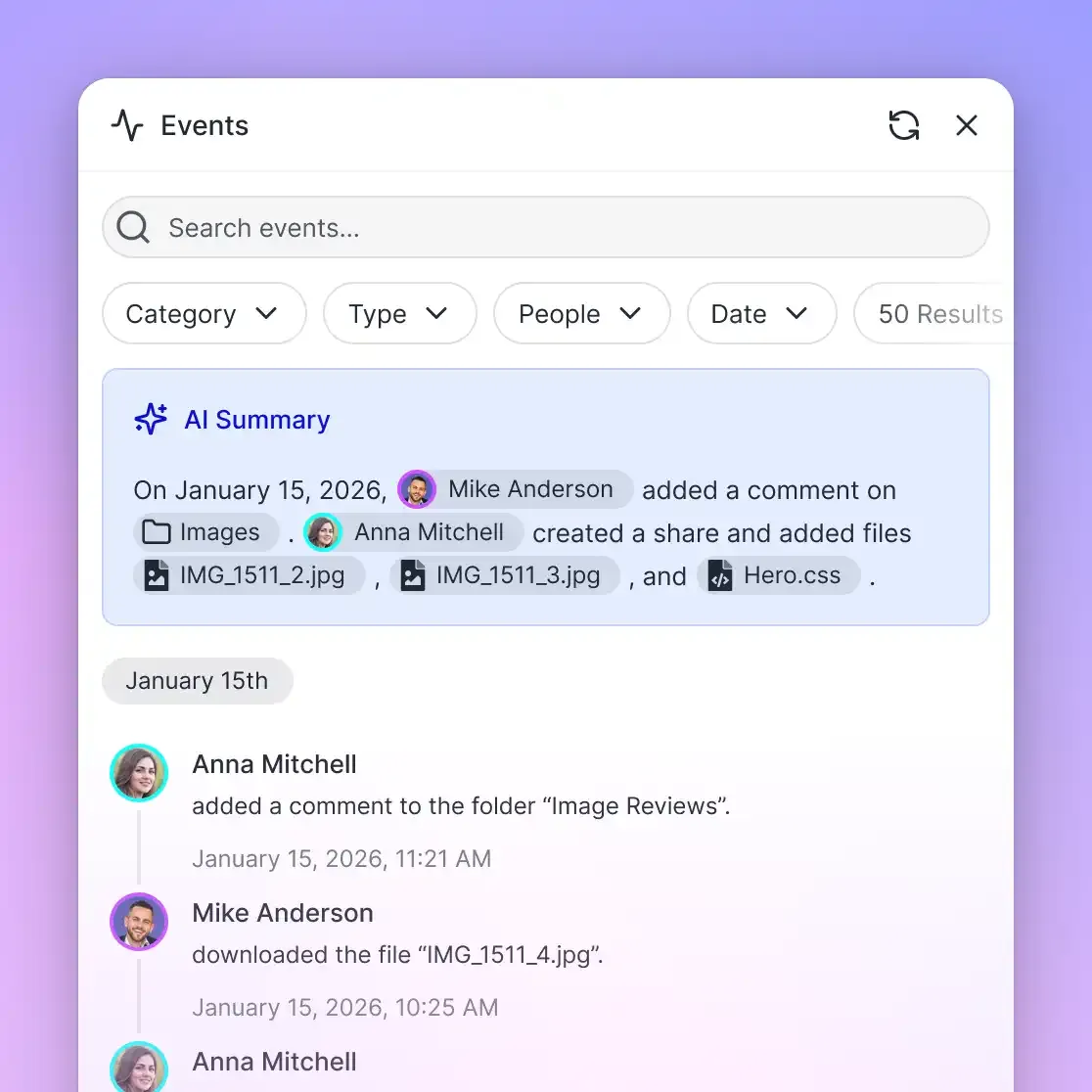
Persistent Storage for Strands: The Fastio Advantage
While AWS Strands handles the agent's logic, Fastio provides the workspace where that agent actually works. For developers using Strands, the Fastio free agent tier includes 50GB of storage and 5,000 monthly credits. No credit card is required to start.
Fastio helps Strands agents in a few ways:
- Persistent Memory: Instead of losing files when a Lambda function ends, agents can store their work in a Fastio workspace for humans to see right away.
- Built-in RAG: When you upload files and turn on Intelligence Mode, Fastio indexes everything. Your Strands agent can then search these files without needing a separate vector database.
- MCP Tools: The platform includes an MCP server with tools for agents. This lets your Strands agent manage files, set permissions, and create links just like a human user would.
- Ownership Transfer: An agent can build a project in a workspace and then hand it over to a client, while keeping the access it needs to finish its job.
Combining AWS Strands with Fastio storage lets you build agents that do more than just "think." They produce real, long-term results for your team.
Frequently Asked Questions
What is AWS Strands Agents?
AWS Strands Agents is an open-source Python SDK by Amazon for building AI agents. It uses a model-driven approach where the LLM plans and runs tasks. This reduces the need for rigid workflow setups.
How does Strands compare to LangChain?
Strands is more lightweight and focuses on model-driven orchestration. LangChain relies more on explicit workflow graphs. Strands is usually easier to learn for developers who want to avoid the complex layers in larger frameworks.
Can Strands agents use external tools?
Yes, Strands agents can use any Python function as a tool. If you provide a clear docstring, the agent knows when to call the function to get data or perform actions in other systems.
How do you deploy Strands agents on AWS?
You can deploy Strands agents using standard AWS compute services. Common setups include using AWS Lambda for short, event-driven agents or AWS Fargate for long-running autonomous processes.
Related Resources

Give Your AI Agents Persistent Storage
Get 50GB of free storage and MCP tools for your AI agents. No credit card required.