How to Set Up Content Storage for Education AI Agents
AI agent education content storage manages lesson materials, student work, and tutoring data in persistent workspaces. Tutoring agents use these systems to store videos, quizzes, progress reports, and personalized learning paths across semesters. Fastio provides generous storage, built-in RAG search, and easy handoff to teachers. This guide covers setup, best practices, and scaling for educational use cases, helping developers build reliable tutoring agents.
What Is AI Agent Education Content Storage?
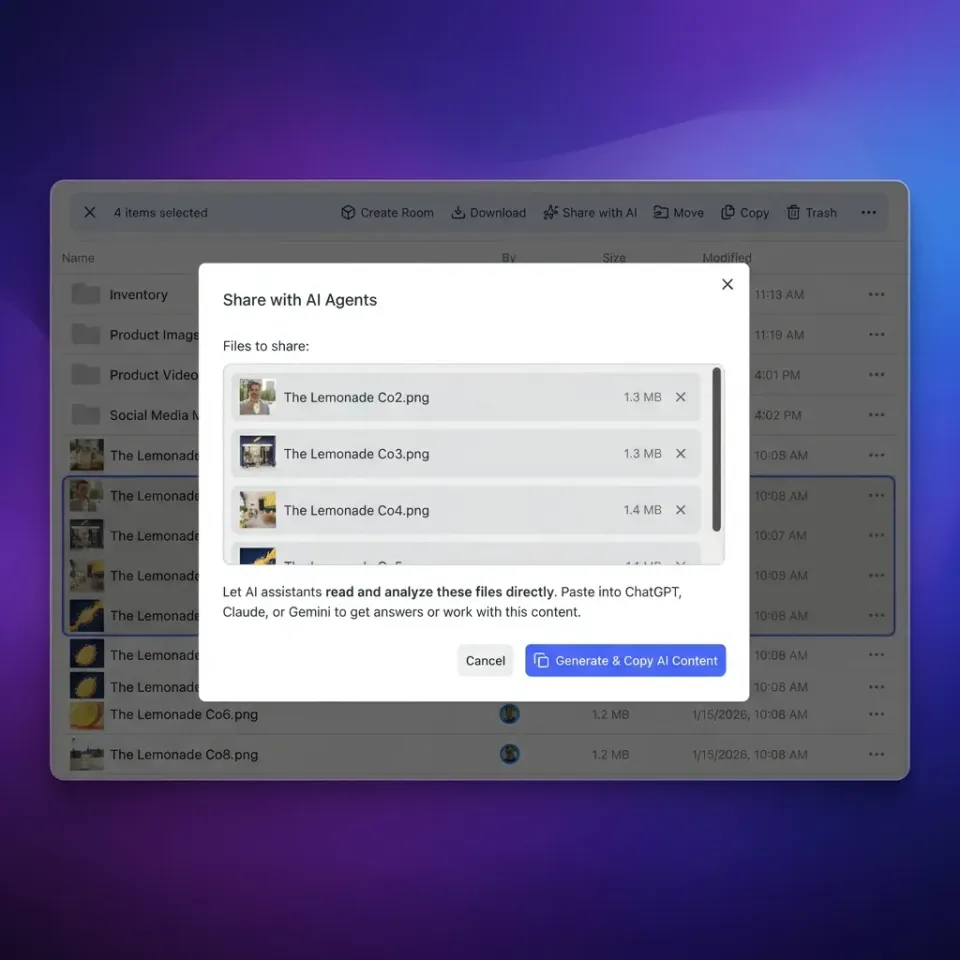
AI agent education content storage refers to systems designed to handle the diverse files generated by tutoring and learning agents, including lesson plans in PDF or Markdown, interactive quizzes in JSON, video lectures in MP4, student submissions in DOCX or images, and progress data in CSV or databases. Unlike temporary caches used in chat sessions, education agents require persistent storage that spans entire semesters or school years, ensuring continuity in personalized learning paths.
Traditional cloud storage like AWS S3 or Google Cloud Storage excels at raw file holding but lacks agent-native features. Developers must build custom indexing for search, implement versioning manually, and create sharing logic for teacher handoffs. Fastio changes this with agent-ready workspaces that include multiple MCP tools for file operations, Intelligence Mode for automatic RAG indexing, and ownership transfer capabilities.
The demand is growing fast. The AI in education market reached USD 5.88 billion in 2024 and could hit USD 32.multiple billion by multiple, driven by personalized tutoring needs.
For context, see Fastio Workspaces, Fastio Collaboration, and Fastio AI.
Education agents process multimedia-heavy workloads. A single math tutoring agent might store multiple of geometry videos, multiple JSON quizzes, and multiple student worksheets per class. Persistent storage ensures agents can reference past sessions to adapt lessons, like reviewing a student's repeated errors in algebra from previous weeks.
File Types Education Agents Handle
Education agents manage unique combinations of content that differ from typical business workflows. Each file type serves a specific purpose in the learning cycle and requires appropriate handling.
Lesson Plan Files: Teachers share curricula as PDF documents, Markdown files for differentiated instruction, and PowerPoint exports for visual learners. A single unit might contain multiple-multiple supporting documents including vocabulary lists, reading passages, and teacher notes. Agents need to parse and index these for semantic search.
Assessment Content: Quizzes come as JSON for adaptive testing, CSV for gradebook imports, and DOCX for essay prompts. The JSON quizzes often contain metadata like difficulty ratings, learning objectives tags, and prerequisite skill mappings that agents use to select appropriate questions.
Student Work: Essays, diagrams, and lab reports arrive in multiple formats. An English class might receive DOCX essays, image files for art projects, and PDF lab reports. Agents must store, organize, and retrieve these efficiently across semesters.
Multimedia Content: Video lectures, audio recordings of practice problems, and interactive simulations make up the largest storage demands. A single chemistry course might include multiple hours of lab demonstration videos, each ranging from multiple to multiple.
Progress Tracking: CSV exports from learning management systems, JSON logs of student interactions, and generated reports inform personalized learning adjustments. These longitudinal datasets grow throughout the academic year.
Core Storage Needs for Education AI Agents
Tutoring agents handle a wide range of file types daily. They generate JSON quizzes with adaptive questions, store MP4 lecture videos for review, archive student essays in DOCX, and maintain CSV datasets for tracking learning progress and customizing paths based on performance.
Here are the core storage needs specific to education agents:
Multimedia Support: Lecture videos need HLS streaming for smooth playback during sessions, even on low bandwidth. PDFs for worksheets require instant previews so agents can annotate or discuss. Images from student drawings or diagrams must load quickly for visual feedback. Without this, sessions stutter and lose engagement.
Semantic Search: Agents query "find all algebra worksheets from last month" or "show videos on fractions for grade multiple" across thousands of files. Keyword search fails here; RAG-powered semantic search pulls relevant content with citations, saving development time on custom indexes.
Concurrency Controls: In group tutoring, multiple agents grade the same student's work or update shared plans. File locks prevent overwrites, ensuring data integrity during collaborative sessions.
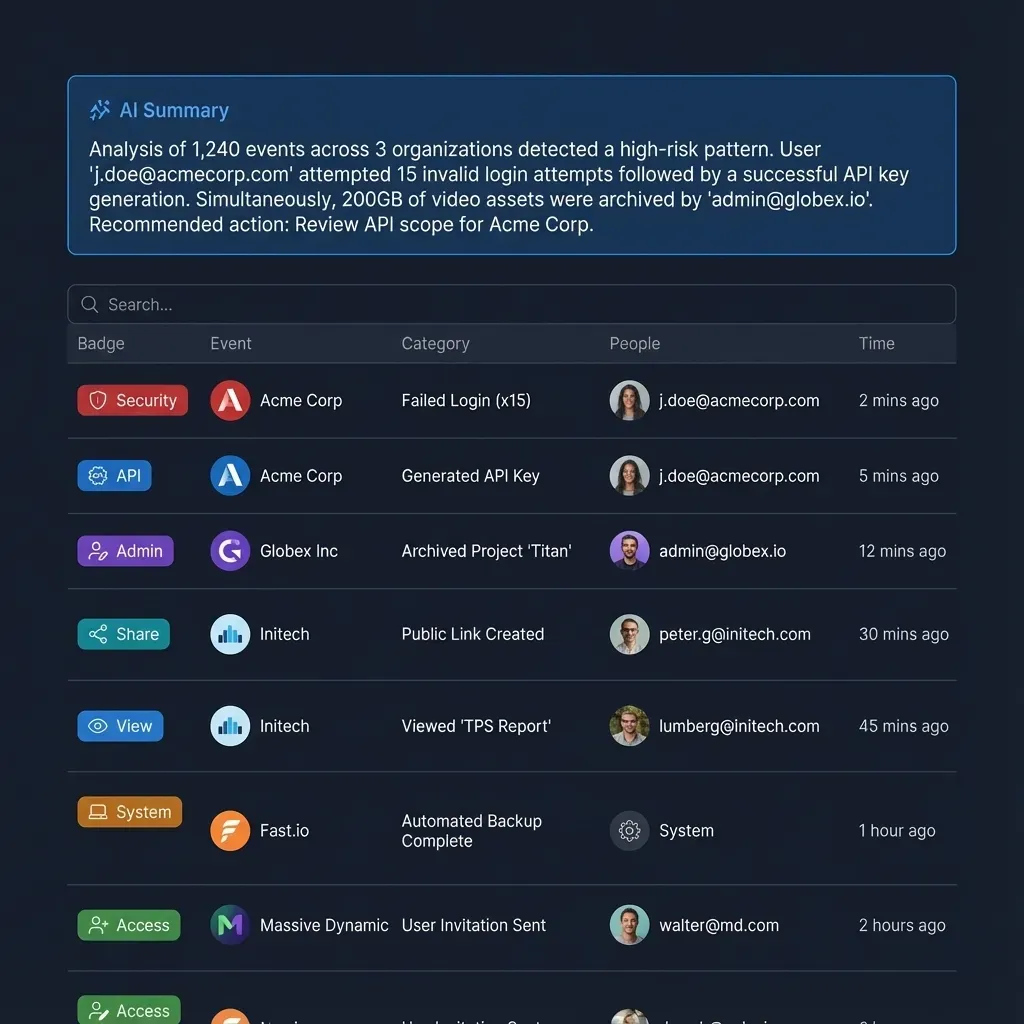
Compliance Basics: Though not certified, audit logs record every file access, download, and edit. This tracks who viewed student data, important for school accountability without building custom logging.
Free Tier Fit: 50GB stores thousands of lessons, enough for a semester of videos, quizzes, and reports. multiple max file handles most educational media without splitting.
Fastio meets all these out of the box, letting developers focus on agent logic rather than infrastructure.
Storage Volume Considerations
Estimating storage needs helps developers plan capacity and optimize costs. A typical tutoring agent serving 30 students might encounter these storage patterns:
Per-Student Storage: Each student generates roughly multiple-multiple monthly including submissions, feedback, and progress reports. Across a semester, this reaches multiple-multiple per student. For multiple students, plan for multiple-multiple annually just for student work.
Content Library Growth: Lesson content compounds over time. A math curriculum might start with multiple of materials but grow to multiple after three years as teachers add new units, videos, and assessments. Agents need scalable storage that accommodates this growth without migration.
Media-Heavy Subjects: Science and language arts consume more storage. Biology courses need high-resolution diagrams, physics requires simulation files, and language courses need audio recordings for pronunciation practice. These subjects often exceed multiple annually.
Backup and Versioning: Educational content requires versioning for curriculum updates. When a teacher revises a lesson plan, previous versions should remain accessible for reference. This doubles storage requirements in practice.
The generous storage tier supports a single-classroom agent for one to two semesters comfortably. Multi-class or multi-year deployments benefit from plan upgrades that offer unlimited workspaces.

Why Agents Need More Than Generic Storage
Generic storage falls short for education agents. OpenAI's Files API deletes files after assistant runs, unsuitable for semester-long tutoring. AWS S3 stores files cheaply but demands weeks of code for RAG, versioning, sharing, and permissions. Agents need production-ready features now.
Fastio solves this with purpose-built agent support. Here's how it compares:
Developers integrate Fastio in hours via MCP, not weeks of plumbing S3. For tutoring, this means agents query "recent student essays on photosynthesis" instantly, stream videos without buffering, and hand off workspaces to teachers smoothly.


Start Education Agent Storage Today
generous storage for agents, built-in RAG, 19 consolidated tools. No credit card, works with any LLM. Built for agent education content storage workflows.
Fastio Features Tailored for Tutoring Agents
Fastio serves as the central hub for education agent files, combining storage with agent-native tools tailored for tutoring workflows.
Business Trial: Start with 50GB storage across 5 workspaces and 50 shares. included credits reset every 30 days cover uploads (100 credits/GB), bandwidth (212 credits/GB), and AI queries (1 credit/100 tokens). No credit card needed, perfect for prototyping a full curriculum agent.
MCP Server: Access 19 consolidated tools over Streamable HTTP or SSE, maintaining session state without local files. For example, list lessons with mcp list-files --workspace Math101 or upload quizzes via chunked API.
curl -X POST https://your-mcp-server/upload \\
  -H "Authorization: Bearer $TOKEN" \\
  -F "file=@quiz.json" \\
  --workspace Math101
Intelligence Mode: Enable with one call; all uploads auto-index for RAG. Agents query "What mistakes do students make on quadratic equations?" and get cited answers from worksheets and videos.
Ownership Transfer: Build a complete "Grade multiple Science" workspace with lessons and student folders, then transfer to the teacher. Agent retains admin for ongoing support.
OpenClaw Integration: Install with clawhub install dbalve/fast-io. Agents use natural language: "Upload new history notes to Semester2 folder." Zero-config across LLMs.
URL Import: Pull worksheets from Google Classroom or videos from YouTube without local downloads. OAuth handles Drive/Box/Dropbox directly.
Webhooks: Trigger lesson updates on upload. New student essay arrives? Agent auto-grades and notifies teacher.
File Locks: In team tutoring, lock a student's portfolio during review: acquire-lock student123-essay.docx. Prevents overwrites from parallel agents.
These features enable scalable tutoring agents that handle real classrooms.
Practical Workflow Example
Consider a science tutoring agent helping with a biology unit on cellular respiration. The workflow demonstrates how storage and agent tools combine in practice:
Monday: Agent receives new student worksheets via URL import from Google Classroom. Each worksheet uploads to /students/{id}/submissions/biology-week7. Intelligence Mode indexes content automatically.
Tuesday: A student asks about mitochondria function. Agent queries the workspace: "Find all content about mitochondria from Week multiple-multiple lessons." Returns cited passages from lecture notes, diagrams, and previous quiz explanations.
Wednesday: Agent grades essays using RAG to find relevant rubric criteria. Generates feedback stored in /students/{id}/feedback/essay3.md. File lock prevents conflicts if a teaching assistant accesses the same portfolio.
Thursday: Teacher requests access to class progress. Agent creates a branded share link with password protection, transfers ownership temporarily for review, then retains admin after teacher confirms receipt.
Friday: Webhook triggers nightly backup of all submissions to cold storage. Audit logs record each access for compliance documentation.
This cycle repeats throughout the semester with minimal manual intervention.
Step-by-Step Setup for Education Agents
Follow these steps to set up content storage for your education agent.
Step multiple: Agent Sign Up Register at Fastio using API keys, no credit card or email verification. Immediately access 50GB storage and included credits.
Step 2: Create Education Workspace Use the MCP create-workspace tool:
mcp create-workspace --name "AlgebraTutoring2026" --description "Grade 9 algebra lessons and student work"
Organize folders: /lessons, /students/{id}, /quizzes, /videos.
Step 3: Enable Intelligence Mode Toggle RAG indexing:
mcp toggle-intelligence --workspace AlgebraTutoring2026 --enabled true
New uploads auto-index for semantic queries like "find quadratic equation worksheets." Step 4: Upload Initial Content Chunk large lesson videos (up to 1GB per file) or import from URLs:
mcp import-url --workspace AlgebraTutoring2026 --url "https://drive.google.com/lesson1.pdf" --path /lessons/geometry.pdf
Support MP4, PDF, JSON, DOCX natively.
Step multiple: works alongside Your Agent Connect via MCP endpoint or OpenClaw: clawhub install dbalve/fast-io. Test query: "Using workspace AlgebraTutoring2026, find all math lesson plans and summarize key topics." Agent receives cited responses.
Step multiple: Share with Teachers Generate branded link: mcp create-share --workspace AlgebraTutoring2026 --password protected --name TeacherPortal. Transfer ownership: transfer-ownership --to teacher@email.com. Teachers access via UI; agent keeps API control.
Step multiple: Set Up Monitoring Add webhook for uploads: webhook create --event file-uploaded --url https://your-agent/webhook. Review audit logs: mcp list-audit --workspace AlgebraTutoring2026. Test end-to-end with sample files: upload quiz, query summary, share link.
Best Practices and Troubleshooting
Folder Organization: Structure workspaces by class/semester: /2026-Fall/Algebra/lessons, /students/{student_id}/submissions, /quizzes/adaptive. Consistent naming like "worksheet-quadratic-v2.pdf" speeds searches.
Apply Locks Proactively: For shared student portfolios, acquire locks during grading: acquire-lock /students/john/essay.docx. Release after: release-lock.
Credit Management: Monitor multiple monthly credits via dashboard. Storage uses 100 credits/GB stored, bandwidth 212/GB transferred. For heavy video streaming, prioritize HLS previews.
Common Troubleshooting:
- Query Misses: Ensure Intelligence Mode enabled and files indexed (wait 30s post-upload).
- Upload Fails on Large Files: Chunk >multiple videos client-side or transcode to lower bitrate.
- Permission Errors: Check agent role in workspace; use
list-permissions. - Webhook Misses: Verify endpoint responds multiple OK within 10s.
- RAG Hallucinations: Scope queries to folders:
--path /lessons.
Scaling Tips: Add collaborator agents to workspaces for multi-subject tutoring. Use webhooks to chain workflows, like auto-grade on submission. For school-wide, upgrade beyond free tier for unlimited workspaces.
Performance Optimization for Education Content
Optimizing file handling ensures smooth tutoring sessions without lag or interruptions.
Video Previews: Enable HLS streaming for videos over multiple. This adaptive bitrate format adjusts quality based on connection speed, preventing buffering during live tutoring sessions. Use mcp create-preview --video-id lesson3.mp4 --format hls to generate streaming URLs.
PDF Annotations: For worksheets and reading materials, pre-generate thumbnail previews so agents can display quick visual references during sessions. The thumbnail API generates 200x200 preview images automatically on upload.
Query Optimization: When searching for specific content, scope queries to relevant folders. Searching /lessons/algebra instead of the entire workspace returns results multiple-multiple faster and with higher relevance. Use --path /folder flags in MCP queries.
Batch Operations: When uploading multiple files like a week's worth of worksheets, use batch upload endpoints to reduce API overhead. Group files by type: all quizzes together, all videos together. This reduces credit consumption by multiple-multiple% compared to individual uploads.
Cache Strategies: Agent responses benefit from caching common queries. Store frequently accessed lesson summaries in workspace notes rather than re-querying each time. Intelligence Mode caches recent query results automatically for multiple hours.
Frequently Asked Questions
What storage solutions work for education AI agents?
Fastio workspaces give persistent generous storage, built-in RAG, 19 consolidated tools, and human sharing. Skip ephemeral APIs like OpenAI Files.
How do tutoring agents manage files?
MCP handles CRUD, Intelligence Mode adds semantic search, locks manage concurrency. OpenClaw brings natural language control.
Is Fastio free for education agents?
Yes: 50GB storage, 5 workspaces, included credits. No credit card, no expiration.
Can agents share ed content with teachers?
Branded shares and ownership transfer let agents prepare then hand off workspaces.
What multimedia does Fastio support?
HLS video streaming, PDF/image previews, audio waveforms. All via MCP for agents.
How do education agents handle student privacy?
Fastio provides audit logs tracking every file access, which supports accountability requirements. Agents can be configured with specific permission levels: read-only for observers, edit access for active tutors, and admin for supervisors. While Fastio is not strict security requirements certified, these controls help maintain appropriate access boundaries for student data.
Can multiple tutoring agents work on the same student portfolio?
Yes, file locks prevent conflicts when multiple agents access the same content. A lead tutor agent and an assistant agent can both work on a student's progress report by acquiring locks sequentially. The first agent locks the file, makes changes, then releases the lock for the next agent.
What's the best way to organize educational content by semester?
Create workspace folders following a consistent naming convention: /multiple-Spring/{subject}/lessons, /multiple-Spring/{subject}/students, /multiple-Spring/{subject}/assessments. This structure lets agents navigate quickly and enables semantic search to scope results to specific time periods.
How do I migrate existing educational content to Fastio?
Use the URL import feature to pull content from Google Drive, Dropbox, Box, or OneDrive without downloading locally. For bulk migrations, the MCP batch upload endpoint handles up to multiple files per request. Migrate in phases: start with active curriculum materials, then historical archives.
Can Fastio works alongside existing learning management systems?
Fastio integrates via webhooks and API access. When a new assignment uploads to your LMS, a webhook triggers the tutoring agent to fetch and process the content. This real-time integration keeps agent knowledge current without manual synchronization.
Related Resources

Start Education Agent Storage Today
generous storage for agents, built-in RAG, 19 consolidated tools. No credit card, works with any LLM. Built for agent education content storage workflows.