Top LLM Observability Platforms 2026
Top LLM observability platforms for multiple track model performance, traces, and agent interactions in production. Teams building LLM apps deal with problems like hallucinations and latency. This list ranks the top tools, including pros, cons, and pricing for each. It covers tracing, evaluations, and multi-agent support gaps.

What Is LLM Observability?
LLM observability platforms track model performance, traces, and agent interactions in production. They record each step, from the prompt to the final response, including tool calls and chain executions. This detail helps debug failures, track costs, and assess output quality.
Basic monitoring flags latency or errors. Observability explains why problems happen. For example, a slow response could come from a long tool call or poor RAG retrieval. In multiple, multi-agent systems are common, so tools must track interactions across agents.
Helpful references: Fast.io Workspaces, Fast.io Collaboration, and Fast.io AI.
Why LLM Observability Matters in 2026
According to Arize AI, 53% of teams plan to deploy LLM apps soon, but 43% face barriers like hallucinations and inaccurate responses. Observability speeds up debugging and avoids production problems.
Multi-agent setups produce more traces from agent-to-agent calls. Most tools skip MCP for agent tool calls. Fast.io covers that gap. Good tracing cuts downtime and costs. Teams get lower latency and higher reliability.


Give Your AI Agents Persistent Storage
Fast.io tracks MCP interactions, audit logs, and multi-agent workflows. Free agent tier with 50GB storage and 5,000 credits per month. No credit card needed. Built for llm observability platforms 2026 workflows.
Evaluation Criteria
We ranked these platforms based on key factors:
Tracing depth: Full chains, tool calls, multi-agent support. Evals: Auto and LLM-as-judge scoring. Cost/latency monitoring: Token usage, budgets. Integrations: LangChain, LlamaIndex, OpenAI. Self-hosting: Open-source options. Pricing: Free tiers vs enterprise. Ease of use: Dashboards and setup.
Strong platforms here handle multiple production needs well.
Quick Comparison Table
Top 10 LLM Observability Platforms
This section explains top 10 llm observability platforms with practical guidance, implementation notes, and common tradeoffs teams should plan for.
1. LangSmith
LangSmith by LangChain traces agents and chains start to finish. It monitors latency and costs, runs evals. Supports OpenTelemetry and multiple SDKs.
Pros Detailed tracing: Step-by-step agent views. Dashboards: Real-time alerts. Insights: Auto-clusters failures.
Cons Tied to LangChain ecosystem. Higher costs at scale.
Best for LangChain production agent builders. Starts at published pricing/month.
2. Langfuse
Langfuse is open-source for traces, evals, prompts. Works with OpenAI, LangChain, LlamaIndex.
Pros Flexible OSS: Self-host easily. Full LLM tools: Prompts, datasets. Analytics: Session replays.
Cons Needs setup for big teams.
Good choice for devs who want control. Free OSS, paid cloud.
3. Phoenix (Arize)
Phoenix from Arize is open-source for LLM tracing and evals. Good for RAG and embeddings.
Pros OSS evals: Strong experiments. Visuals: Embeddings, datasets. RAG metrics.
Cons Not agent-focused.
Pick it for RAG pipelines. Free OSS.
4. Helicone
Helicone proxies OpenAI calls with built-in observability. Tracks requests, latency, costs.
Pros Easy OpenAI setup: No code changes. Cost controls: Limits, caching. Prompt playground.
Cons OpenAI only.
Great for OpenAI-heavy apps. From published pricing.
5. W&B Weave
Weights & Biases Weave does traces, evals, agent observability. Works with PyTorch, LangChain.
Pros Production monitoring: Alerts, guards. Playground: Test prompts. Agent tools.
Cons Part of bigger platform.
Suited for ML teams. Free tier.
6. Lunary
Lunary traces, evals, monitors LLM apps. Supports Vercel AI SDK.
Pros Clean UI: User-friendly. Team features. Vercel support.
Cons Still new.
Ideal for startups. published pricing start.
7. AgentOps
AgentOps focuses on multi-agent tracing for CrewAI, AutoGen.
Pros Multi-agent traces: Agent interactions. Custom evals. Cost tracking.
Cons Tied to specific frameworks.
Best for agent swarms. published pricing.
8. TruLens (TruEra)
TruLens OSS for LLM evals and feedback. works alongside LlamaIndex.
Pros Eval focus: Groundedness scores. Free OSS. Custom pipelines.
Cons Weak on tracing.
For eval workflows. Free.
9. OpenLLMetry
OpenLLMetry brings OpenTelemetry to LLM traces. Standard approach.
Pros OTel compatible: Fits any stack. OSS: Community support. No vendor lock.
Cons Requires add-ons.
For OpenTelemetry users. Free OSS.
10. Fast.io
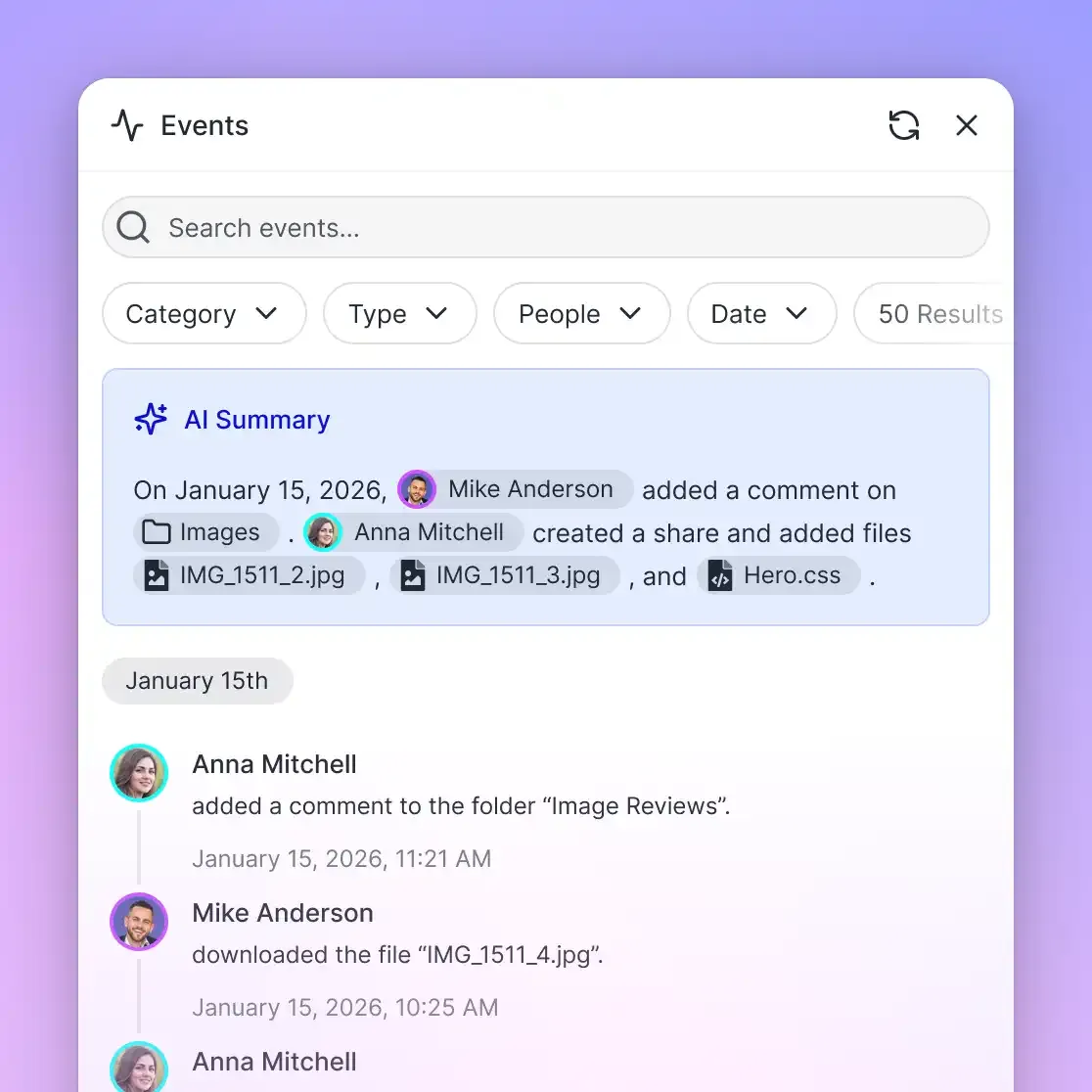
Fast.io observes agent workflows with MCP tools, audit logs, webhooks, file locks. Tracks tool calls, files, multi-agent access.
Pros MCP support: multiple traceable tools. Audit logs: Complete history. Multi-agent safe: Locks, webhooks. Free tier: 50GB storage, 5k credits/mo
Cons File-focused, less token detail.
Best for MCP agent teams. Free starter, pay per use.
Frequently Asked Questions
What is LLM observability?
LLM observability tracks performance, traces, and agent interactions. It logs prompts, responses, tool calls, and metrics like latency and cost to debug issues.
What are the top open-source LLM monitoring tools?
Langfuse, Phoenix, TruLens, and OpenLLMetry lead open-source options. They offer tracing and evals with self-hosting.
How does multi-agent LLM observability differ?
Multi-agent needs tracing across agents, tool calls, and coordination. Tools like AgentOps and Fast.io handle inter-agent traces and locks.
Which platform is best for beginners?
Helicone or Langfuse. Easy setup with OpenAI/LangChain support and free tiers.
Does Fast.io support LLM tracing?
Yes, via MCP server audit logs and webhooks for multiple tools, plus file locks for safe multi-agent access.
Related Resources

Give Your AI Agents Persistent Storage
Fast.io tracks MCP interactions, audit logs, and multi-agent workflows. Free agent tier with 50GB storage and 5,000 credits per month. No credit card needed. Built for llm observability platforms 2026 workflows.