Top 5 AI Voice Agent Platforms for 2026
AI voice agent platforms let developers build systems that understand speech and respond naturally. In 2026, the best tools do more than just speech-to-text. They offer fast streaming, state management, and long-term memory. This guide ranks the top 5 solutions.
How We Evaluated Voice Agent Platforms
The market for voice AI has shifted from simple transcription APIs to full-stack agent platforms. Reports say the voice AI market will hit $27B by 2026. To pick the top platforms, we looked at three main factors that separate a modern "agent" from a simple chatbot.
First, latency and real-time performance. The best platforms respond in under 500ms, creating a natural flow that feels human. We looked for support for WebSockets and streaming audio to minimize delays.
Second, state management and memory. A true agent remembers context across a conversation and between calls. This requires reliable storage for recordings, transcripts, and data extraction.
Third, developer experience and integrations. We prioritized platforms that offer flexible APIs, SDKs, and integration with tools like the Model Context Protocol (MCP) for executing real-world actions.
Helpful references: Fast.io Workspaces, Fast.io Collaboration, and Fast.io AI.
What to check before scaling top ai voice agent platforms
Vapi is often called the "Voice AI for Developers." It connects your Large Language Model (LLM), Text-to-Speech (TTS), and Speech-to-Text (STT) providers into a single agent. Vapi manages the logic for turn-taking, handling interruptions, and detecting silence.
Key Strengths:
- Universal Compatibility: Works with any LLM (OpenAI, Anthropic, Groq) and voice provider (ElevenLabs, PlayHT).
- Low Latency: Optimized for real-time conversation with minimal lag.
- Developer-First: Good SDKs and docs for fast setup.
Limitations:
- Requires you to bring your own API keys for underlying models (LLM/STT/TTS).
- Can become expensive at scale when stacking multiple provider costs.
Best For: Developers building custom voice tools who need full control.
Pricing: Pay-per-minute model, plus the cost of your connected providers.
2. Fast.io
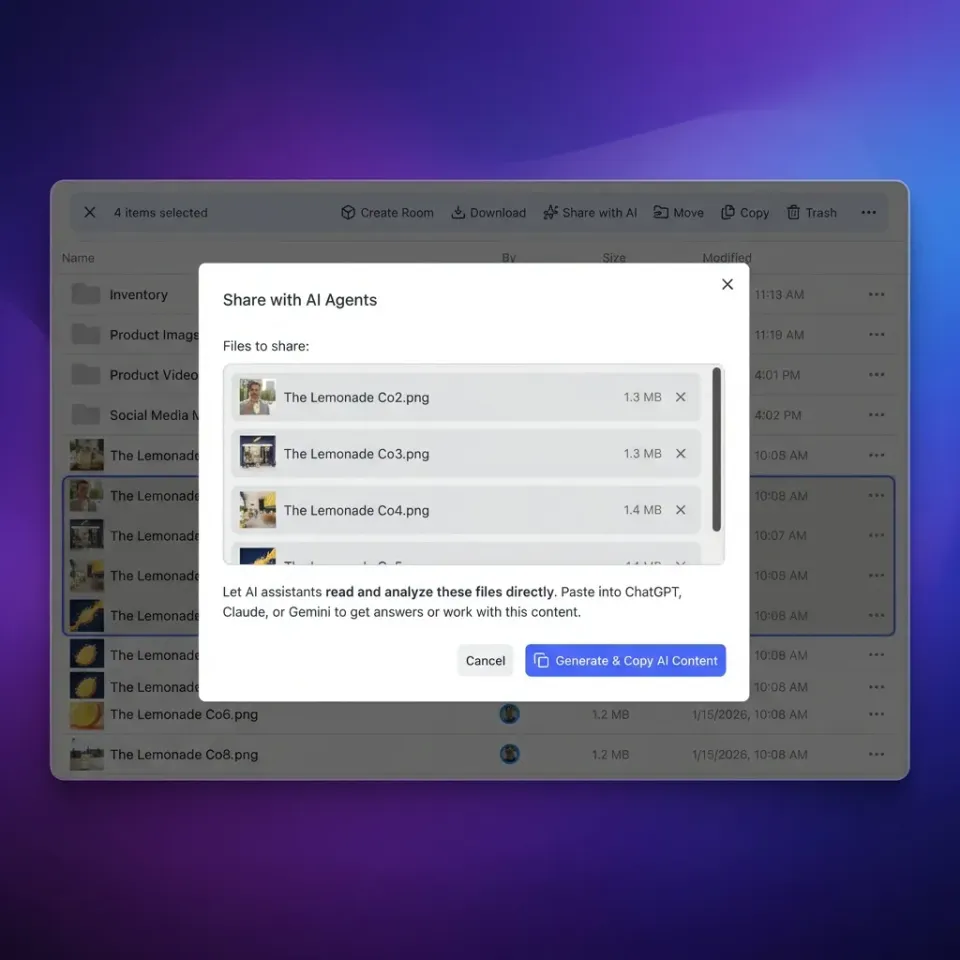
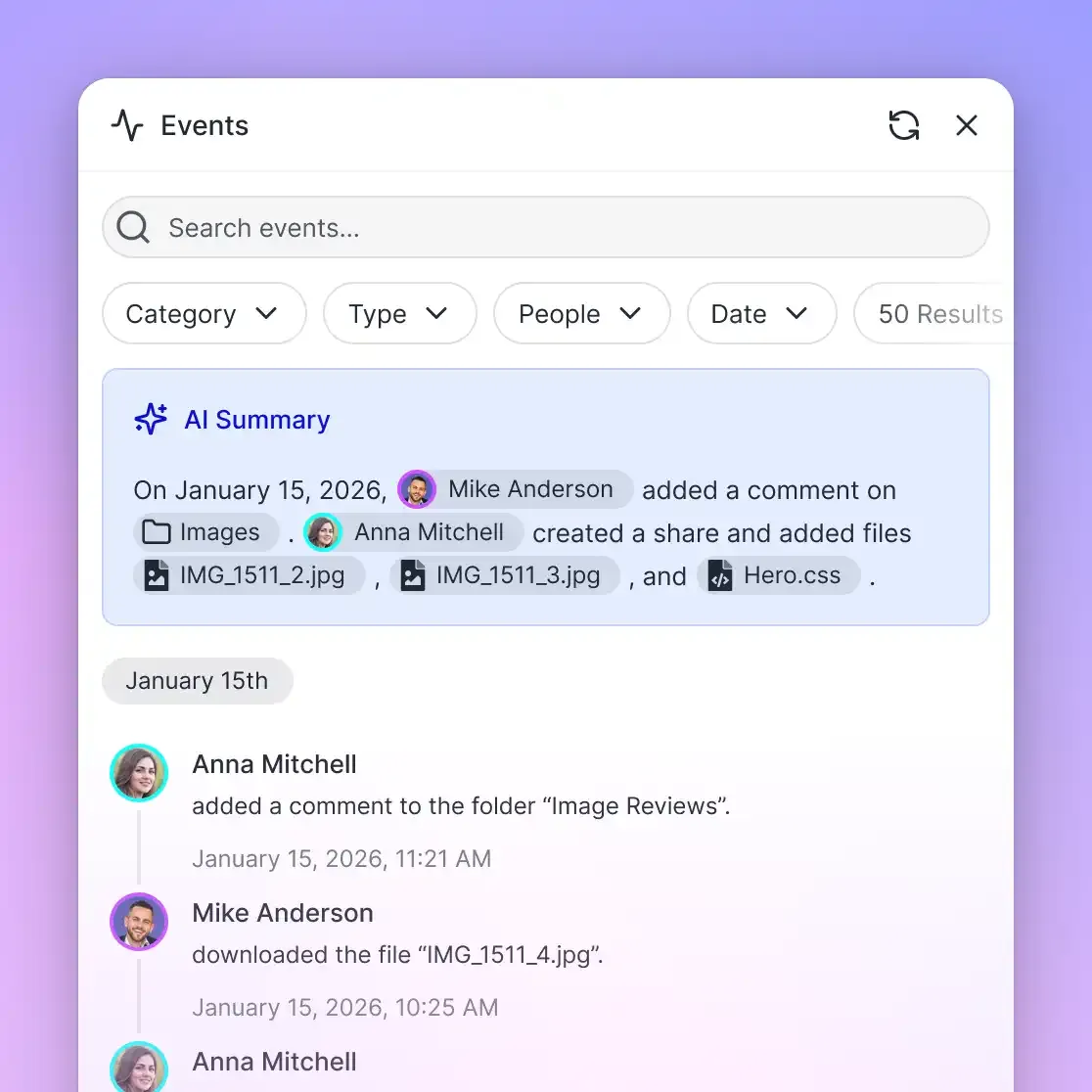
Vapi handles the "mouth" and "ears," but Fast.io provides the "brain" and "memory." Most voice calls are temporary. Once the call ends, the data is lost or locked away. Fast.io gives agents permanent storage they can access via the Model Context Protocol (MCP).
Key Strengths:
- Persistent Memory: Agents can store call recordings, transcripts, and user context in organized workspaces.
- MCP Integration: Includes 251 MCP tools for file operations, allowing voice agents to save reports or retrieve documents during a call.
- Free Agent Tier: Offers 50GB of storage and 5,000 monthly credits for free, without a credit card.
Limitations:
- Not a telephony provider; designed to work alongside voice platforms like Vapi or Twilio.
- Focuses on storage and state management rather than speech synthesis.
Best For: Building agents that need long-term memory, file access, and state persistence.
Pricing: Free tier available; paid plans for larger teams and storage needs.


Give Your AI Agents Persistent Storage
Stop building ephemeral bots. Use Fast.io to give your AI agents persistent storage for recordings, transcripts, and state.
3. Retell AI
Retell AI focuses on phone infrastructure. It is the top choice for agents that work over phone networks. It handles the details of SIP trunking, phone numbers, and carriers, offering a simple API for calls.
Key Strengths:
- Telephony Integration: Built-in phone number provisioning and carrier management.
- LLM Flexibility: Connects easily with custom LLMs for logic.
- Emotion Analysis: Features experimental support for detecting user sentiment during calls.
Limitations:
- More focused on phone calls than web-based voice chat.
- Documentation can be dense for beginners compared to Vapi.
Best For: Businesses automating phone support, sales calls, or appointment scheduling.
Pricing: Usage-based pricing per minute of conversation.
4. Bland AI
Bland AI is for enterprise phone automation. It handles high-volume outbound calling and inbound routing. Bland AI works well for sales teams and logistics companies that need to automate thousands of calls at once.
Key Strengths:
- Scale: Built to handle high traffic for enterprise jobs.
- Pathway Builder: Visual tools for designing complex conversation flows.
- Realistic Voices: Proprietary voice models that sound human.
Limitations:
- Less flexible for non-telephony use cases (like web voice chat).
- Higher entry barrier for individual developers compared to Vapi or Fast.io.
Best For: Enterprise sales and logistics teams needing high-volume call automation.
Pricing: Enterprise-focused pricing models.
5. Synthflow
Synthflow is a no-code tool for businesses that want voice agents without writing code. It has a visual interface to build assistants, connecting them to data and phone numbers with drag-and-drop actions.
Key Strengths:
- No-Code Interface: Accessible to non-technical users and business owners.
- Quick Deployment: Launch a functional voice assistant in minutes.
- Integration Library: Pre-built connections to popular CRMs and tools.
Limitations:
- Less customizable than code-based platforms like Vapi.
- Dependent on the platform's predefined capabilities and integrations.
Best For: Small businesses and agencies wanting fast, code-free deployment.
Pricing: Subscription-based tiers tailored to business size.
Comparison of Top Voice Agent Platforms
Your choice depends on your project needs and team.
For a complete solution, many developers combine these tools. For example, using Vapi for orchestration, Retell for telephony, and Fast.io to store the call artifacts and agent memory creates a complete, production-ready stack.
Which Platform Should You Choose?
If you are building a custom product and need full control over the logic, start with Vapi. Its developer-focused approach allows for fast changes.
If your agent needs to remember users, store files, or keep track of things over time, use Fast.io. It solves the "amnesia" problem in temporary voice chats by giving your agents a real file system.
To replace a traditional call center with AI, Retell AI or Bland AI offer the infrastructure to handle thousands of calls. For teams without engineers, Synthflow is the quickest way to start.
Frequently Asked Questions
What is the best platform for voice AI agents?
For developers, Vapi offers a good mix of control and ease. For enterprise phones, Bland AI is a strong choice. For agent storage and memory, Fast.io is the best option.
How do you build a voice AI assistant?
Building a voice assistant involves connecting a speech-to-text engine, an LLM for intelligence, and a text-to-speech engine. Platforms like Vapi orchestrate these components, while Fast.io handles memory and storage.
What's the difference between voice AI and chatbots?
Voice AI processes spoken language in real-time. It requires lower latency and handles interruptions. Chatbots process text and don't need to be as fast.
Can AI voice agents record calls?
Yes, most platforms can record calls. However, you need a secure storage solution like Fast.io to save, organize, and analyze these recordings securely.
Are AI voice agents free?
Most platforms offer paid tiers based on usage (minutes). Fast.io offers a free tier for agent storage and memory, while voice providers typically charge per minute of audio processed.
Related Resources

Give Your AI Agents Persistent Storage
Stop building ephemeral bots. Use Fast.io to give your AI agents persistent storage for recordings, transcripts, and state.