How to Set Up an AI-Driven PR Crisis War Room
Guide to shared workspace driven crisis monitoring: A PR crisis workspace is a live hub where agents monitor media sentiment while humans coordinate brand responses. Moving from static dashboards to active shared workspaces helps teams react faster. This ensures every press release and media asset is ready during the first hours of a reputational event.
The First Six Hours: Why Your Crisis Workspace Determines the Outcome
In PR, time is the only thing that matters during a crisis. How fast you spot a threat and how you respond to it usually decides the long-term impact on your brand. Research shows that while 25% of crises spread globally within the first hour, responding within that window makes a brand 80% more likely to keep public confidence. Silence or mixed messages during this window let speculation and social media outrage take over. This allows the narrative to be shaped by outsiders rather than the brand itself. This "Golden Hour" is the most important period for any communications professional, yet it is often when teams are most disorganized.
Traditional PR tools often fall short because they work like dashboards. They are places to look, but not places to act. You can see the fire, but you can't reach the extinguisher. An AI-driven workspace changes that. Instead of jumping between a monitoring tool, email, and a document editor, your team works in one environment. Real-time data feeds directly into response drafts. This reduces the mental tax of switching between apps that slows down decision-making. When every second counts, having your media assets and monitoring data in the same interface is a major advantage.
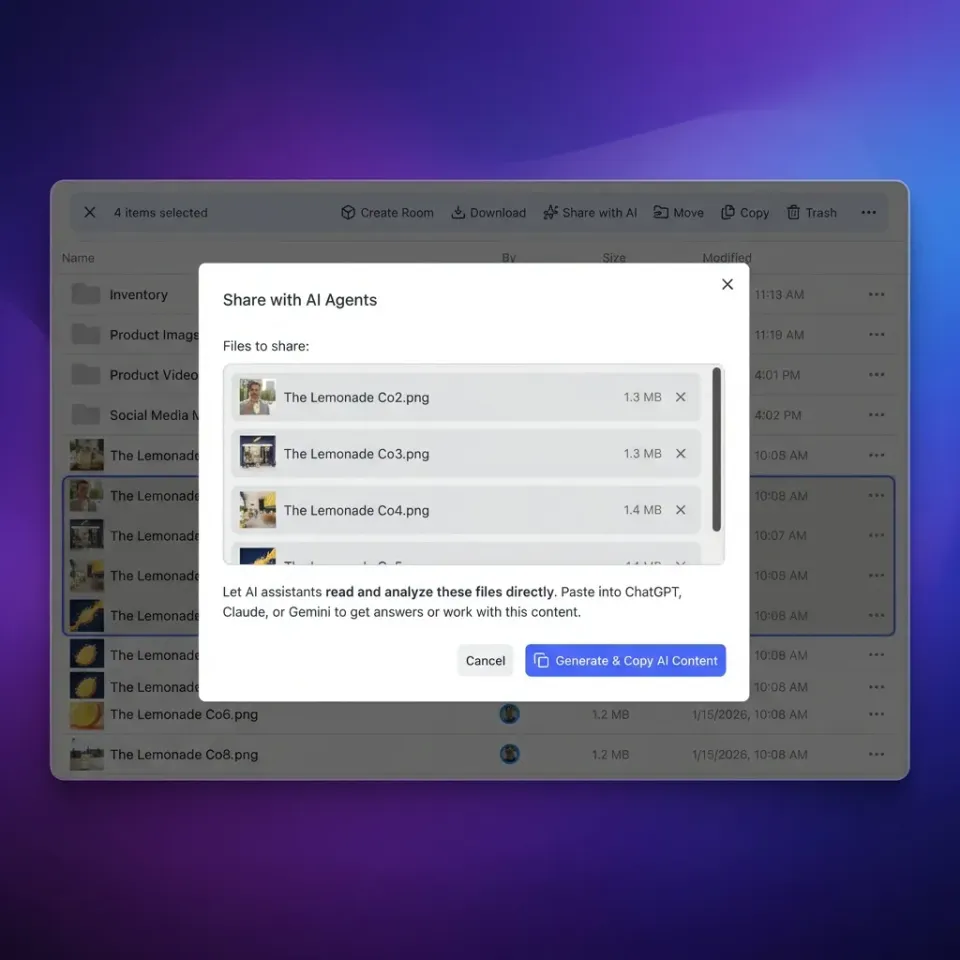
The stakes are high in the initial phase. Data indicate that the gap between the few minutes it takes for a crisis to go global and the 24-hour expectation of modern consumers determines the outcome of most PR crises. This "stabilization phase" is where the narrative is either controlled or lost. When monitoring agents identify a shift, they do more than send an alert. In an intelligent workspace, they can automatically create a dedicated response folder. They pull in relevant media kits from your archives via URL Import and notify the legal team to start their review. This allows the PR team to focus on the message rather than the mechanics of file management.
This integration matters because crises are fast-moving information battles. A negative tweet might start the fire, but the delay in getting a corrected statement to the press is what keeps it burning. By centralizing assets and monitoring in one shared space, teams can move from detection to distribution in minutes. This speed lets you get your side of the story into the first wave of news reports, which is often the most influential. If you miss that first wave, you spend the next week playing catch-up, which is exhausting and expensive.
Helpful references: Fast.io Workspaces, Fast.io Collaboration, and Fast.io AI.
Beyond Dashboards: The 'Fast.io Way' for PR War Rooms
Many PR teams still rely on "war rooms" filled with monitors showing social feeds and news tickers. While these dashboards show you what's happening, they are mostly passive. They flag the crisis but don't help you manage the hundreds of files, video statements, and legal approvals needed to fix it. This gap between data and action is where most strategies fail. You end up with a team that knows exactly how bad the situation is but is paralyzed by the logistics of responding. They have the "what" but lack the "how."
Fast.io puts press release drafts and media assets right next to the monitoring data. This is what we call "Intelligence-Native" storage. When an AI agent detects a shift with 45% higher accuracy than manual sorting, the team isn't just looking at a red line on a graph. They have immediate access to the high-resolution video statements, brand logos, and headshots needed to counter a false narrative. There is no need to search through disconnected folders or wait for an IT admin to grant access to an archive. The data and the solution live in the same digital room.
The "Fast.io Way" uses multiple MCP tools to automate the tedious parts of a crisis. For example, an agent can watch for a specific keyword threshold. Once hit, it instantly shares a pre-approved "holding statement" folder with a list of top journalists. This removes the friction of the first hour where teams often freeze up trying to find the right files or the latest version of a contact list. It allows your best people to focus on strategy and tone while the infrastructure handles the delivery. By automating mechanical tasks, you reduce the margin for human error during high-pressure situations.
Workspaces also solve the problem of version control, which is the bane of any crisis team. Sending three different drafts over email to five different people is a recipe for disaster. Eventually, the wrong version will be published. Centralizing everything in a shared workspace provides one source of truth where humans and agents update strategies as the data shifts. Every stakeholder sees the same live document, ensuring everyone is aligned before anything goes public. This unified approach prevents the "mixed message" problem that can destroy brand credibility in seconds.


Collaborate on Files with Your Team
Get 50GB of free storage, 251 MCP tools, and built-in AI indexing to build your PR crisis workspace today. No credit card required. Perfect for high-stakes shared workspace driven crisis monitoring.
7 Essentials for a Digital PR Crisis War Room
Handling a fast-moving crisis takes more than just a chat app and a cloud drive. You need a setup that prioritizes speed, security, and coordination. A true digital war room should be a solid environment that supports both human intuition and machine speed. Here are seven essentials for your digital war room:
- Real-Time Sentiment Monitoring Agents: Deploy AI agents that go beyond simple keyword matching to analyze intent and sarcasm. These agents provide the early warning system you need to stay ahead of the news cycle.
Unified Asset Repositories: Keep brand guidelines, executive headshots, and boilerplate statements in one searchable workspace. When a crisis hits, you shouldn't be hunting for a logo or a corporate bio. 3. Instant Multi-Stakeholder Collaboration: Legal, PR, and executive teams must be able to work on the same document at the same time. Fast.io supports real-time concurrent editing to help with fast approvals. 4.
Automated Webhook Triggers: Use webhooks to notify the legal team the moment a sentiment threshold is crossed or a new "crisis folder" is created. This ensures the right people are in the room before the situation gets worse. 5. Secure, Branded External Sharing: Send large media kits to journalists instantly with branded links. These links track who opened the files and when, giving you visibility into which outlets are preparing stories. 6.
Intelligence Mode Indexing: Ensure all crisis-related files are indexed so you can ask natural language questions like "What was our stance on this issue in 2024?" or "Which journalists were most supportive during the last event?" 7.
Audit Logs for Accountability: Maintain a detailed record of every file access, edit, and permission change. This is important for post-crisis "after-action" reports and legal compliance.
These essentials help you move from a state of chaotic reaction to a state of calm leadership. By removing the technical hurdles to working together, you allow your communications experts to do what they do best: manage the message and protect the brand. A well-equipped war room is the difference between a controlled response and a PR catastrophe.
The Role of AI Agents in Brand Sentiment Accuracy
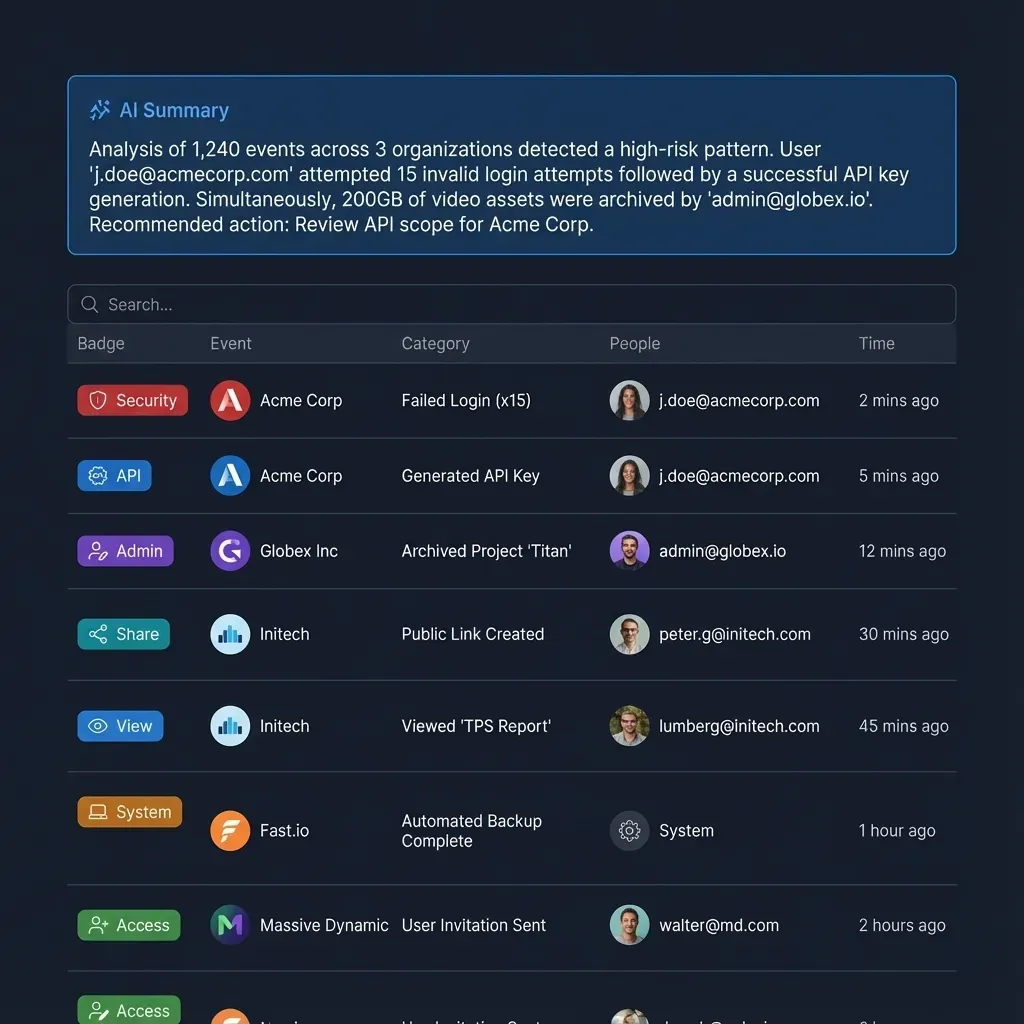
The volume of data generated during a crisis can overwhelm even the largest global PR teams. Thousands of mentions across social media, blogs, news sites, and forums make it hard to find the original post where the problem started. This is where AI monitoring agents provide their greatest value. Benchmarks show these agents increase sentiment accuracy by 45% compared to traditional, keyword-based tools. Without this level of accuracy, teams waste hours chasing "false positives." These are posts that look negative but are actually sarcastic or irrelevant.
These agents do more than count mentions. They understand context and subtle details that humans might miss in a rush. They can spot the difference between an unhappy customer venting frustration and a coordinated misinformation campaign designed to damage a brand's standing. This is a key distinction. A service issue requires a customer support response, while a coordinated attack requires a legal and corporate communications counter-offensive. Understanding the intent behind the noise allows you to tailor your response.
In a Fast.io workspace, these agents have direct access to your media archives and past crisis responses. When they detect a shift, they can use RAG (Retrieval-Augmented Generation) to find similar past events and suggest a starting point for your current response. This capability keeps your brand voice consistent even when the team is under pressure and working around the clock. By using your historical data, the AI ensures that you don't contradict previous statements. This is a common pitfall in rapid-response scenarios. The agent acts as a digital memory, ensuring every response is grounded in established brand policy.
Workflow Design: Humans and Agents in the Line of Fire
Crisis management works best when you combine machine speed with human judgment and empathy. AI agents handle the high-volume detection, data gathering, and initial drafting. A human should always be the one to hit "send" on a final press release or public statement. This partnership relies on a concept we call "Ownership Transfer." It ensures that while the machine starts the race, the human crosses the finish line.
In a practical Fast.io workflow, an agent sets the stage for the human team. It monitors the web 24/7, detects a threat that meets your specific criteria, and automatically creates a crisis workspace. It then imports the necessary assets, such as your crisis manual and media contact lists, from your main repository. It can even draft an initial response based on pre-approved templates that match the current sentiment. Once this scaffolding is ready, the agent transfers ownership of the workspace to the PR Director.
The Director then reviews the work, refines the tone for the specific situation, and invites the Legal Counsel and CEO to provide final approval. This workflow eliminates the blank page paralysis that often slows down teams in the first hour of a crisis. Since the agent has already gathered the data, identified the key influencers, and staged the assets, the human team can focus entirely on the message. This division of labor ensures that the response is both fast and thoughtful. The human team provides the empathy and context that no AI can replicate, while the AI provides the speed that no human can match.
Setting Up Your Crisis Stack: A Step-by-Step Implementation
Building an AI-driven PR war room doesn't happen during the heat of a crisis. It happens months before the first negative headline appears. Preparation is the difference between a minor setback and a total brand collapse. If you are waiting for the crisis to start before setting up your tools, you have already lost. Follow these steps to prepare your Fast.io environment:
- Create a "Master Assets" Workspace: Upload all important PR materials like logos, executive bios, brand voice guidelines, and company boilerplate. Enable "Intelligence Mode" so these are always indexed and ready for AI querying. This is your brand's digital vault.
Configure URL Imports for Legacy Data: Connect your legacy storage (Google Drive, Dropbox, or Box) to Fast.io using our URL Import feature. This allows you to pull in deep archives without needing to download and re-upload large amounts of data when time is short. It keeps your historical context one click away.
3. Install the Fast.io MCP Server for Your Agents: For your AI agents, the MCP server provides multiple specialized tools for file management, search, and sharing. Use a tool like ClawHub to install the skill in minutes (clawhub install dbalve/fast-io). This gives your agents the "hands" they need to manage your files.
4.
Set Up Notification Webhooks for Immediate Alerts: Create a webhook that triggers an alert in Slack or Microsoft Teams whenever a file is added to the "Active Crisis" folder. This ensures the team is notified the second an agent begins staging a response, cutting down notification delays to near-zero. 5.
Define and Test Access Tiers: Create "Legal," "Executive," and "Press" groups with specific permissions. In a crisis, you cannot afford to accidentally give a journalist access to your internal strategy notes or legal risk assessments. Test these permissions regularly to ensure they work as expected.
By following this setup, you ensure that when the "red alert" sounds, your infrastructure is already waiting for you. You aren't building the plane while flying it. You are just taking the controls of a finely tuned machine built for this exact moment.
Security and Data Governance in High-Stakes PR Crises
Security is just as important as the message itself during a reputational event. PR crises often involve sensitive legal strategies, confidential financial data, or private communications that were never intended for the public. If these materials leak, the second crisis, the data breach, can be more damaging than the first. Your workspace must be both fast and secure. It needs to be a fortress that allows your team to work without fear of exposure.
Fast.io uses specific permissions that allow you to restrict access to sensitive strategy documents while still letting the broader team access approved media assets. Audit logs track every single action. You can see who viewed a file, who downloaded it, who shared a link, and who changed a permission. This visibility is helpful for internal reviews and keeps everyone on the team accountable to the security policy. In high-stakes situations, knowing exactly who saw what and when provides a necessary layer of protection.
Importantly, your data is used only for your own workspace intelligence and is never used to train global AI models. This keeps your sensitive crisis strategies and internal drafts inside your organization. While we provide strong encryption, SSO integration, and audit logs, please note that Fast.io is not currently certified for strict security requirements, enterprise security standards, or security requirements compliance. It is built for general corporate communications and PR workflows where speed and AI-native intelligence are the primary requirements. For companies with strict regulatory requirements, we recommend using Fast.io for public-facing response coordination while keeping highly regulated data in certified systems.
Evidence and Benchmarks: Data-Driven Crisis Mitigation
The transition to a shared, AI-driven workspace delivers measurable results for reputation management teams. Organizations that use AI-powered sentiment analysis and collaborative workspaces respond 80% faster than those relying on manual workflows and email coordination. Stories can go global and viral in under an hour. That speed is the difference between survival and failure. The data is clear: those who automate their response layers recover their brand equity faster.
The metrics show clear advantages for early adopters of these technologies:
- Reduction in Damage: Effective crisis management that begins within the first 2 to 6 hours results in an 80% reduction in long-term reputational damage. This is the difference between a one-day news cycle and a month-long scandal.
- Confidence Scores: Brands that manage to respond within the first "Golden Hour" are 80% more likely to keep public trust through the duration of the event. Being the first to define the problem is key to owning the solution.
- Consumer Expectations: Currently, 72% of consumers expect a brand to respond to a major crisis within 24 hours. Social media has compressed this expectation to as little as 60 minutes for major brands. Failing to meet this window is often seen as an admission of guilt.
- Accuracy Improvements: AI-driven monitoring provides a 45% increase in sentiment accuracy. This means your team spends less time chasing false alarms and more time on real threats. This accuracy allows for a more effective response.
The right workspace is more than just software. It is a strategic insurance policy for your most valuable asset: your reputation. By investing in the coordination layer where agent output becomes team output, you ensure your brand is ready for modern, always-on media. Those who prepare today are the ones who survive tomorrow's headlines.
Frequently Asked Questions
What is a PR war room?
A PR war room is a digital or physical space where communications teams manage a brand crisis. In the modern era, this is typically a cloud-based shared workspace like Fast.io where AI agents monitor sentiment while humans coordinate the strategic response. It centralizes all communication, assets, and data to ensure a unified brand voice.
How can AI monitor a brand crisis?
AI agents scan social media, news outlets, and forums in real-time. Using Natural Language Processing (NLP), they can spot shifts in sentiment and flag potential attacks hours before they hit the mainstream media. This provides a critical head start that allows teams to prepare a proactive response.
Why do I need a workspace instead of just a dashboard?
A dashboard shows you that there is a problem, but it doesn't give you the tools to solve it. A shared workspace puts your drafts, media assets, and legal approvals right next to your data. This allows for immediate action and collaboration without the need to switch between multiple disconnected tools.
How does AI improve sentiment accuracy?
Modern AI agents use deep learning to understand context, sarcasm, and cultural nuances better than traditional keyword-based tools. This can boost sentiment accuracy by up to 45%. This reduces false alarms and allows your team to focus their energy on genuine reputational threats.
Can AI agents draft press releases?
Yes, AI can draft initial responses by pulling from your pre-approved templates and historical data. However, for a high-stakes crisis, a human expert should always review and refine these drafts to ensure the tone is appropriate for the situation. The AI provides the speed, while the human provides the empathy and final judgment.
What are the first steps in a PR crisis?
The first steps are detection, verification, and the immediate creation of a centralized workspace. Once the threat is confirmed, the team should move to gather necessary assets and draft a "holding statement" within the first hour to define the narrative before it spreads.
Related Resources

Collaborate on Files with Your Team
Get 50GB of free storage, 251 MCP tools, and built-in AI indexing to build your PR crisis workspace today. No credit card required. Perfect for high-stakes shared workspace driven crisis monitoring.