Collaborative Prompt Debugging: Version Control for Agentic Teams
Teams building AI agents often struggle when instructions change without warning. Collaborative prompt debugging fixes this by giving teams a shared way to test, version, and review their prompts. Moving from scattered SaaS tools to a file-based workflow helps prevent the multiple% failure rate seen in complex agent tasks. This guide shows how to centralize your prompts to keep your agents stable and improve performance by up to multiple%.
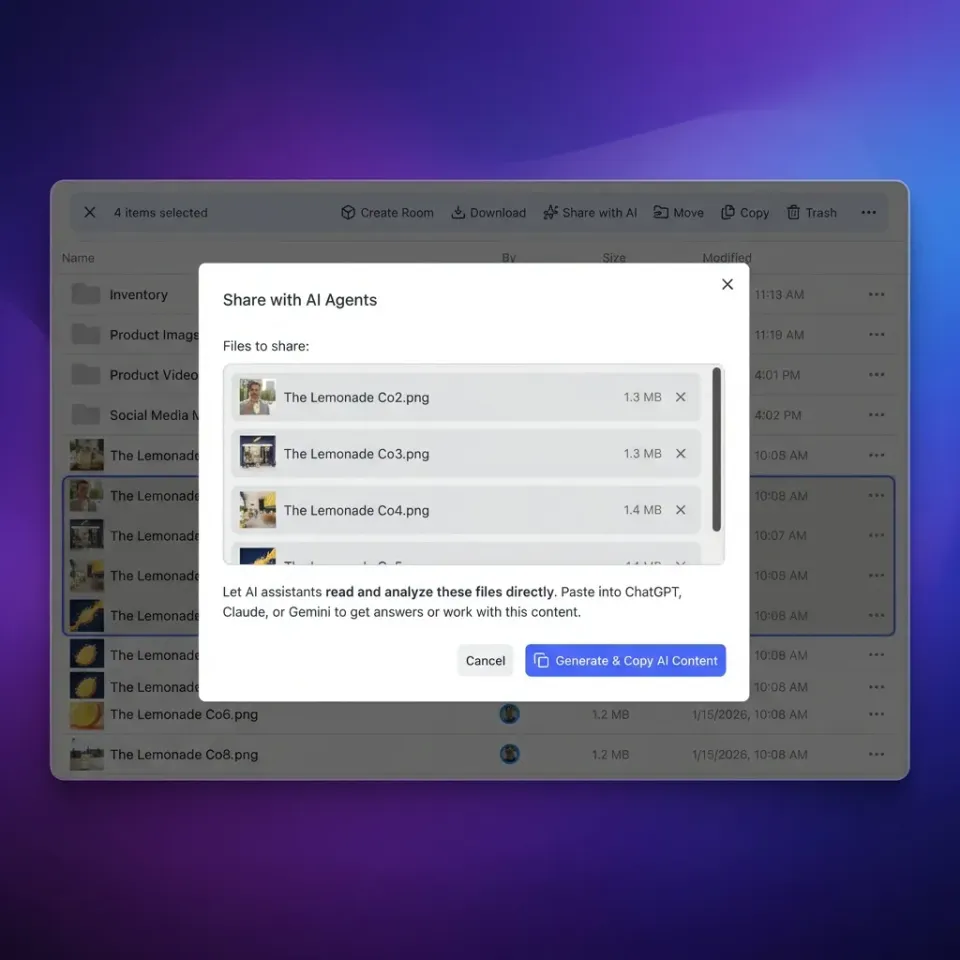
What to check before scaling collaborative prompt debugging and version control for teams
Prompts are no longer just simple text strings. As teams build complex agents, these instructions have become a core part of application logic. When developers, product managers, and experts all work on the same instructions, the risk of "instruction drift" is high. Collaborative prompt debugging treats these instructions like source code, using peer reviews, testing, and versioning to keep things on track.
AI agent performance data shows a clear trend: agents doing complex office work fail roughly 70% of the time if their instructions aren't carefully managed. Most of these failures come from small changes in wording that cause the model to act differently. For example, a minor tweak to a formatting rule can break a data pipeline and stall the whole system. A shared debugging framework helps teams catch these errors before they hit production.
Good collaboration needs more than a shared document. Teams need an environment where everyone can see the history of a prompt, why changes were made, and how those changes performed against benchmarks. Moving from individual engineering to a team-based approach creates a single source of truth for prompts and performance metrics.
Helpful references: Fast.io Workspaces, Fast.io Collaboration, and Fast.io AI.
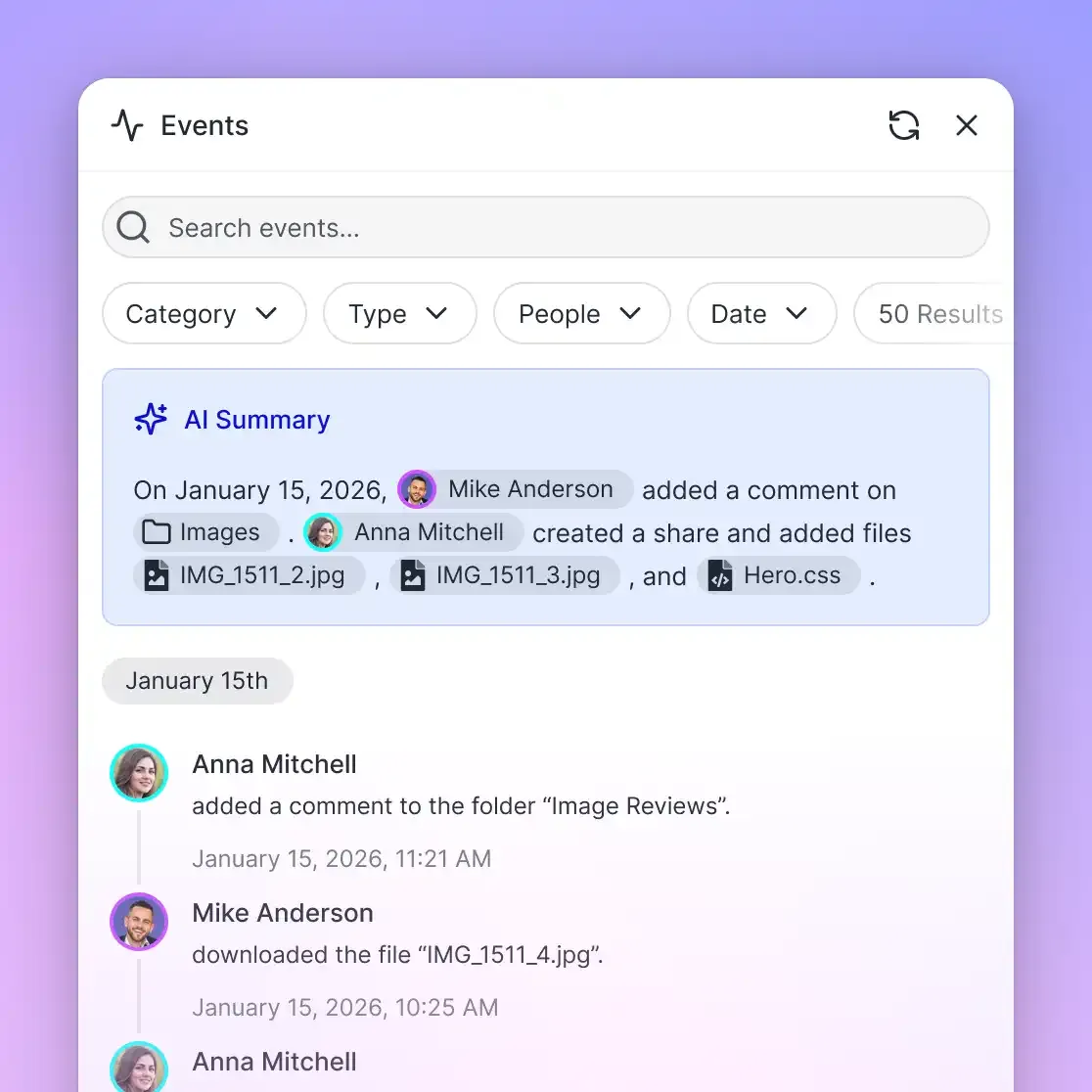
The Problem with SaaS Silos and Unversioned Prompts
Early prompt engineering often happened in a bubble. A developer would test a prompt in a web playground, copy the text into their code, and move on. This approach fails because the prompt in the playground quickly drifts away from what is actually running in production. Without an audit trail, nobody knows why a specific rule was added months ago.
Fragile instructions are a direct result of this disconnected workflow. If you update a prompt without version control, you can't roll back to a stable state if the agent starts acting up. SaaS managers also tend to separate the prompt from the rest of the app's context. This makes it hard to see how tool calls or external data affect the agent's logic.
Teams without versioning also lose knowledge over time. When a lead engineer leaves, the reasons behind complex prompt rules often leave with them. A file-based approach keeps that history in the shared workspace. By using Markdown or YAML files, teams can document why a prompt was changed to handle specific edge cases or prevent the agent from getting stuck in loops.


Collaborate on Files with Your Team
Get 50GB of free storage and 251 MCP tools to build your collaborative prompt library. No credit card required. Built for collaborative prompt debugging and version control teams workflows.
The Prompt Versioning Checklist for Teams
To keep agents stable, teams should follow a standard checklist for every update. This keeps changes intentional and documented, preventing "quick fixes" from breaking other parts of the workflow.
Semantic Versioning: Give every iteration a version number. Use major versions for rewrites, minor versions for new features, and patches for small fixes. 2.
Model Association: Document which model version the prompt was tuned for. A prompt that works for one model might fail on another due to different training data. 3.
Hyperparameter Mapping: Save the temperature, top_p, and max_tokens used during testing. These settings are just as important as the text itself. 4.
Change Rationale: Note why every update was made. For example: "Added a rule to prevent JSON errors when the response is too long." 5.
Evaluation Linkage: Connect the prompt version to a specific test run. If it passed a benchmark, that data should be part of the version history. 6.
Tool Versioning: If the agent uses MCP or APIs, version the prompt alongside those tool definitions. Changing a tool schema usually requires a prompt update.
Using this checklist turns prompt engineering into a repeatable process. Teams can move faster because they know how to recover from failures. When something goes wrong, they can check the version history and see exactly what changed.
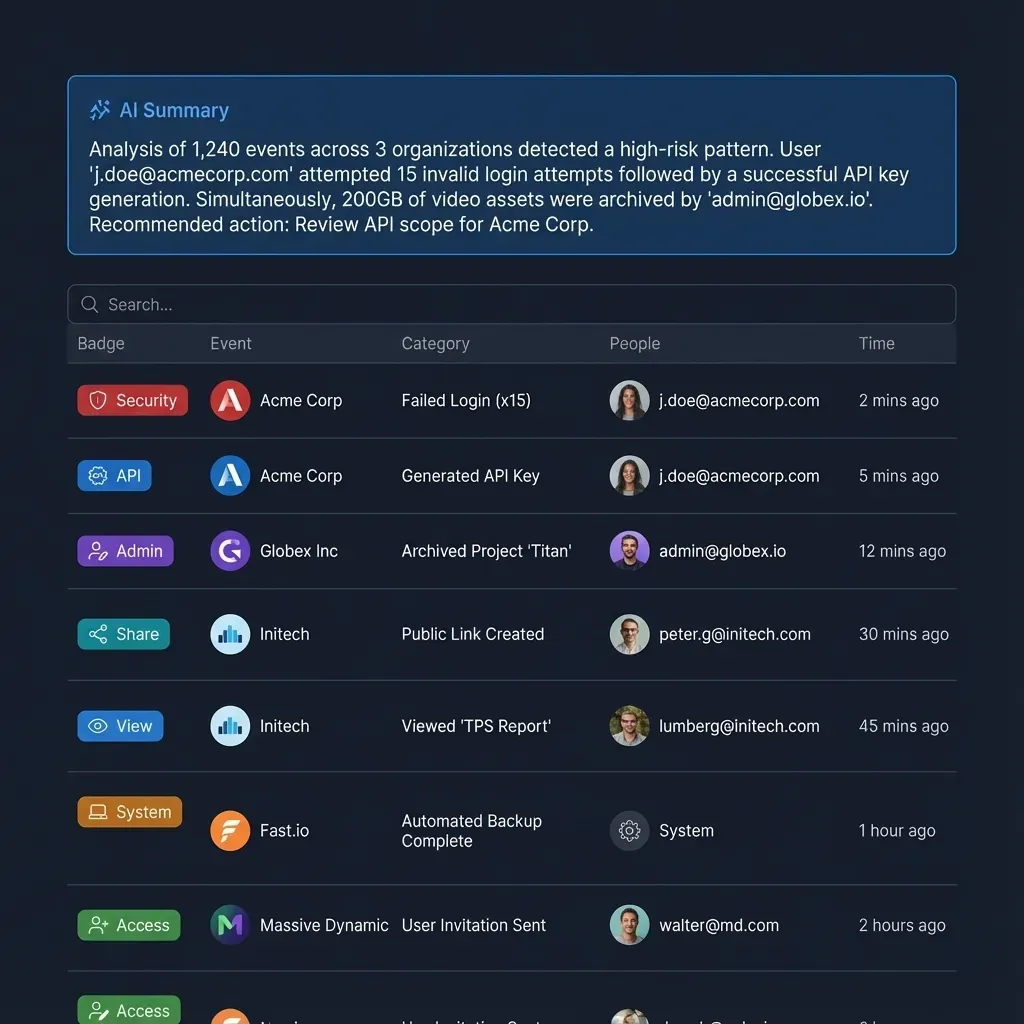
Establishing a Collaborative Debugging Protocol
Debugging a prompt isn't like debugging regular code. Code usually either works or crashes, but a prompt can run fine while giving poor results. A team protocol needs to focus on both human review and automated testing.
Step 1: Centralize in a Shared Workspace Keep all prompts as separate files in a shared folder. This lets you use standard tools to track changes and manage branches. Fast.io workspaces provide a hub where both humans and agents can access the same instructions. This ensures that the prompts your testers use match what is running in production.
Step 2: The Peer Review Cycle Don't merge a prompt change without a second look. A reviewer can spot unintended side effects, like security risks or high token costs. Collaborative reviews can improve consistency by multiple% by catching mistakes the author missed. Reviewers should ask if new rules contradict old ones or if the phrasing is too vague for the model.
Step 3: Regression Testing with Golden Datasets Before finalizing a version, test it against a "Golden Dataset." This is a set of inputs with known good outputs. If a new prompt fixes one bug but breaks three old features, it shouldn't be merged. This prevents the cycle of fixing one issue only to create several new ones.
Step 4: Real-time Feedback Once a prompt is live, monitor its performance with real-world logs. If failures start happening, the team can compare the current output with known good results from that version. Tagging logs with a version ID makes it easy to filter for issues caused by a specific release.
Evidence and Benchmarks for Team Workflows
Moving to collaborative prompt management has a real impact on performance. Industry data shows that teams using structured version control spend 40% to 45% less time debugging. This lets engineers focus on building new features rather than chasing hallucinations.
Overall productivity also goes up by about 30% when instructions are centralized. The documentation does the heavy lifting so the team doesn't have to remember every detail. A shared, versioned prompt becomes an asset that can be used across different projects or agents.
In practice, teams can ship new capabilities twice as fast with fewer errors. For both startups and larger teams, this reliability is what makes AI projects succeed. Treating prompts as code bridges the gap between AI research and professional software engineering.
What the Metrics Show
- Debugging Time Reduction: 40-45% less time spent fixing prompt failures.
- Productivity Boost: 30% increase in team output with centralized control.
Fast.io: The Workspace for Prompt Versioning
Fast.io is built for teams working with agents. While other platforms treat prompts as simple text, Fast.io handles them as core assets. The platform gives you the tools to manage prompts from the first draft to the final deployment.
The free agent tier includes multiple of storage and multiple MCP tools. You can build an automated library where agents check out instructions, run tests, and save results. With Intelligence Mode, the platform indexes your library so you can use RAG to find old versions or specific rules across thousands of files.
The Fast.io MCP server gives developers a way to manage these prompts programmatically. Agents can lock files to prevent edit conflicts during automated testing. When an agent finished its work, it can transfer ownership of the workspace to a human for a final check. This ensures that while AI helps improve instructions, a human always has the final word.
Frequently Asked Questions
How do I version control AI prompts effectively?
The best way is to store prompts as files, like Markdown or YAML, in a version-controlled folder. Use semantic versioning and include notes on the model, settings, and why you made the change. This lets you use Git for reviews and rollbacks.
What are the best team tools for prompt debugging?
You need a shared environment like Fast.io that supports file-based versioning and collaboration. While tools like LangSmith are great for logging, they should work alongside a file-based 'source of truth' for your instructions.
Why is prompt versioning different from code versioning?
Prompt versioning is more complex because LLM results can vary even with the same input. A tiny wording change can cause a big shift in behavior. Because of this, prompts need to be versioned alongside specific models and test datasets.
How does collaborative review improve prompt quality?
Reviews bring different perspectives to the instructions. A second person might notice vague language or edge cases where the prompt could fail. This process typically improves output stability by multiple%.
Can agents manage their own prompt versions?
Yes, agents can use tools to test and improve their own prompts. However, this should happen in a controlled sandbox. Once the agent finds a better version, it can submit a request for a human to approve the change.
Related Resources

Collaborate on Files with Your Team
Get 50GB of free storage and 251 MCP tools to build your collaborative prompt library. No credit card required. Built for collaborative prompt debugging and version control teams workflows.