7 Best MCP Servers for Creative AI
MCP servers extend creative AI with file-aware tools. Top MCP servers for creative AI handle art generation, video editing, and design tasks. This guide lists top options. It focuses on ease of use for non-developers and creative integrations.
What is an MCP Server?
An MCP server implements the Model Context Protocol, a standard for AI agents to access external tools and services. The protocol defines how AI models can request actions and receive data from connected systems, making it possible for creative AI to work with real files and applications. Learn more about how MCP works for agent-based workflows.
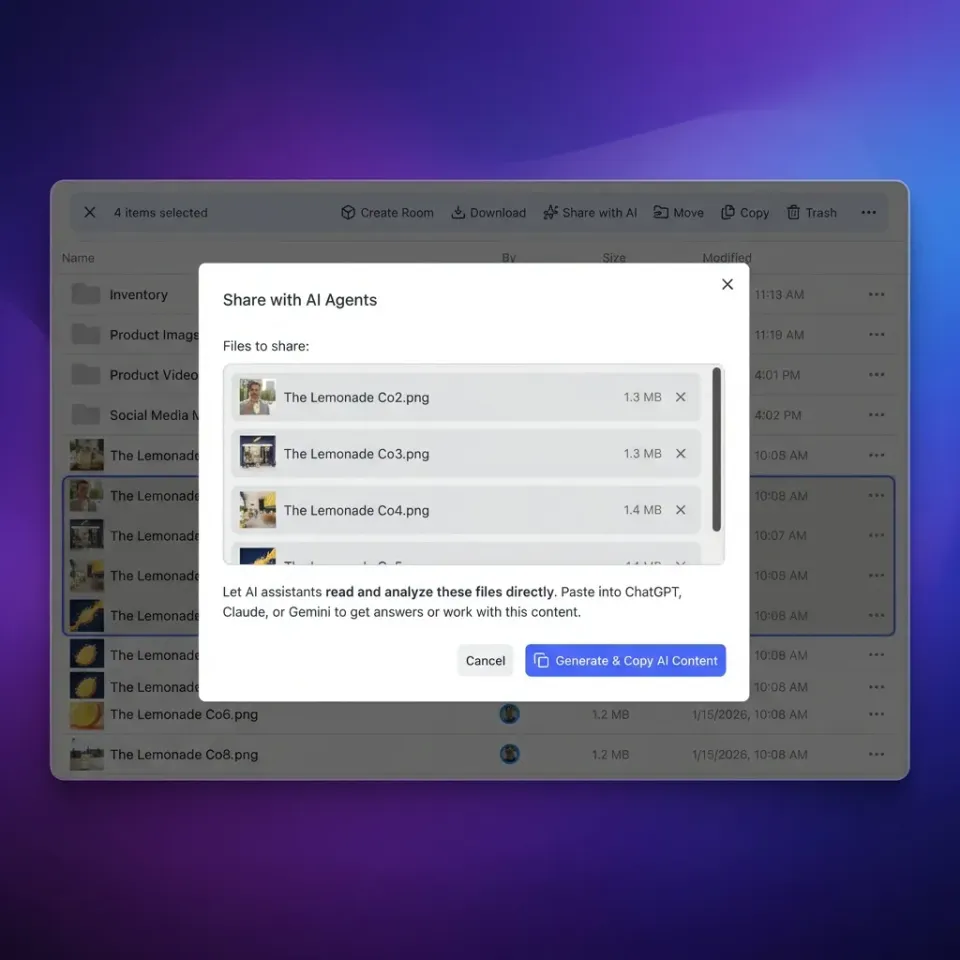
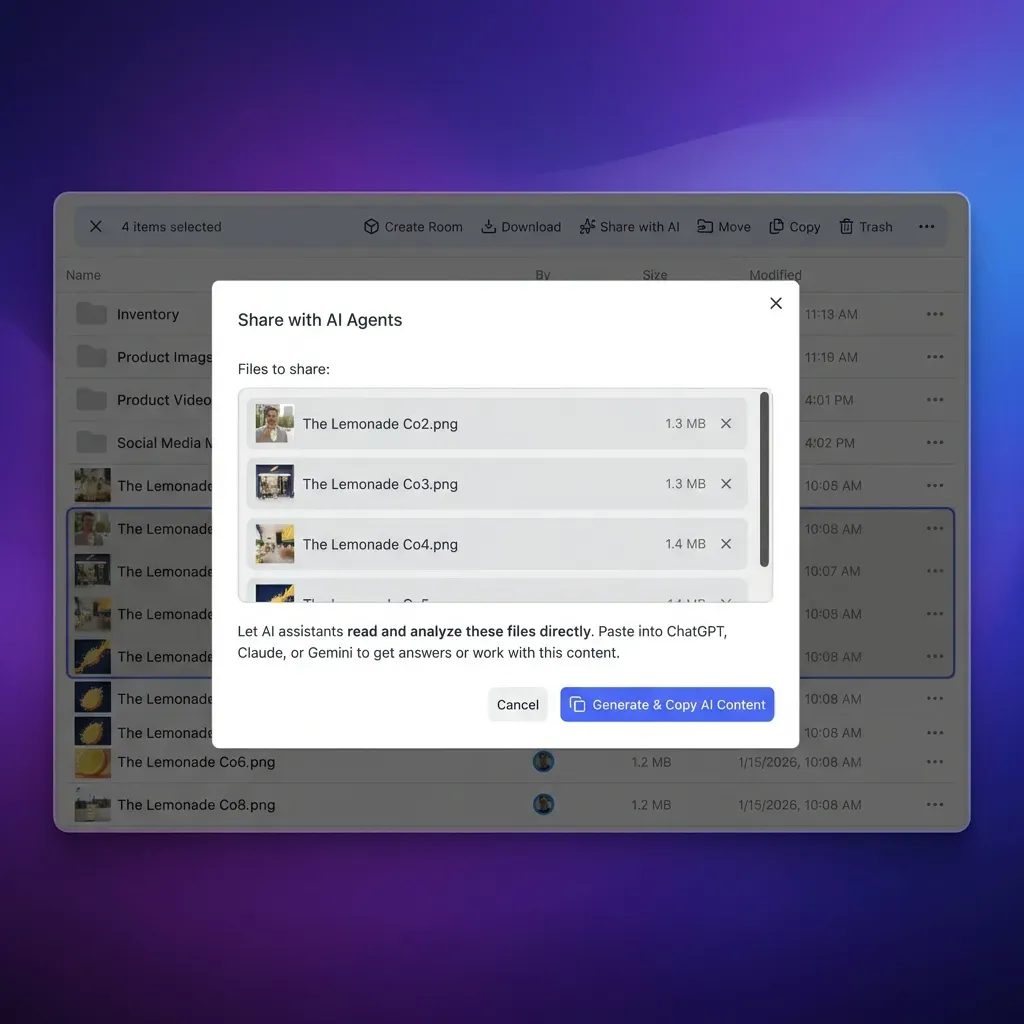
These servers use Streamable HTTP or SSE transports for real-time communication. For creative AI applications, MCP servers provide file operations, media previews, and integrations with images, video, and design files. This enables agents to not just generate content but also organize, transform, and deliver it to users.
According to Statista, the global AI market reached $347 billion in 2025 and continues growing at over 36% annually[^1]. This growth drives demand for MCP servers that can handle creative workflows end-to-end.
Best MCP Servers for Creative AI: A Comparison
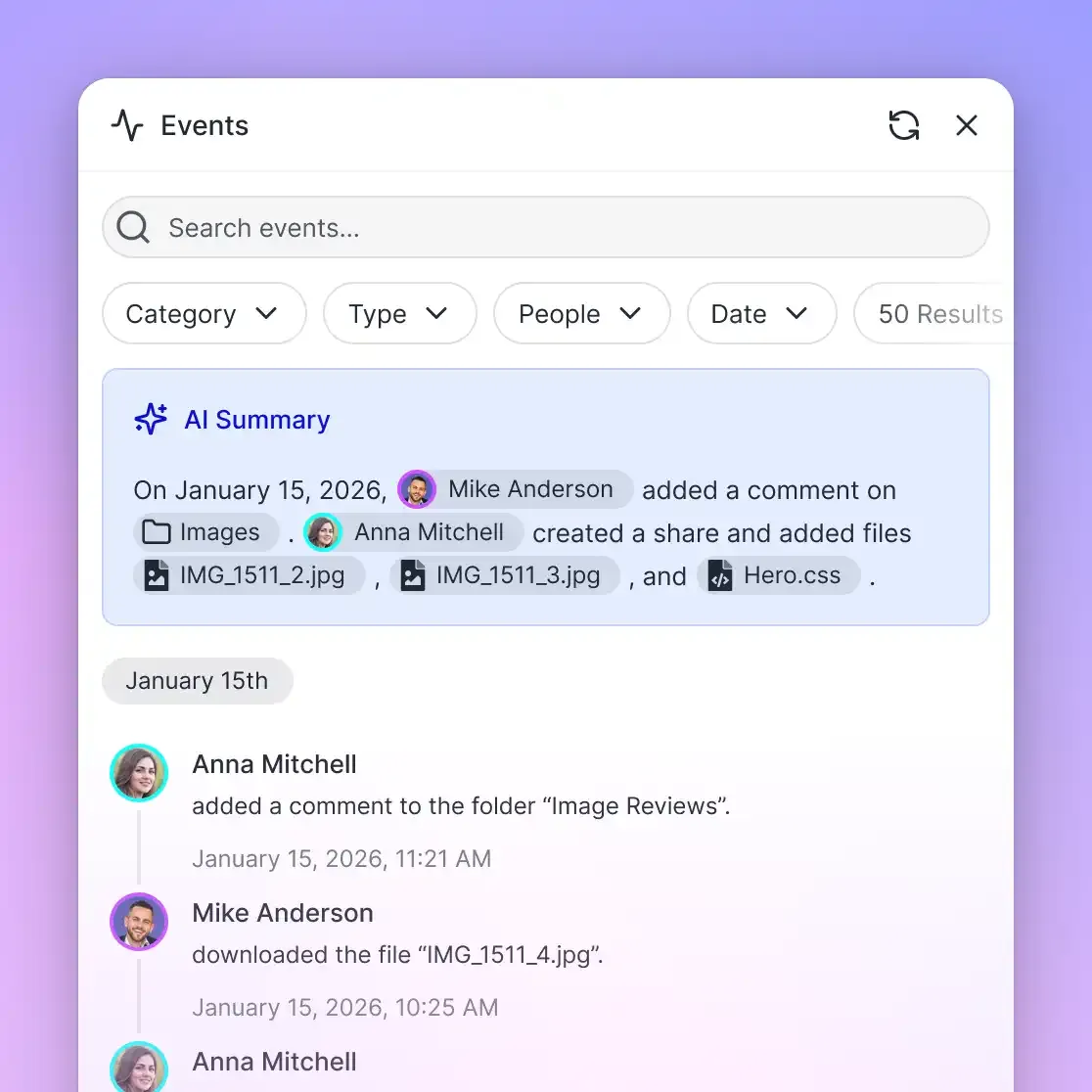
Each server offers different strengths. Fast.io excels at persistent storage and AI querying. Make.com provides broad app integration with connections to over 3000 creative tools[^5]. Figma and Blender target specific creative domains. Playwright serves web prototyping needs, while Firecrawl helps gather inspiration from across the web.
The selection above prioritizes tools accessible to non-developers while maintaining the technical depth that creative professionals need. Pricing reflects typical costs for small teams, with most options offering free tiers for experimentation.


Give Your AI Agents Persistent Storage
Fast.io gives teams shared workspaces, MCP tools, and searchable file context to run best mcp servers for creative ai workflows with reliable agent and human handoffs.
1. Fast.io MCP Server
Fast.io offers a hosted MCP server with 251 file tools designed specifically for creative workflows[^3]. The platform combines persistent storage with built-in AI capabilities, making it suitable for teams that need both file management and intelligence features. Unlike basic file storage, Fast.io workspaces are intelligent. Uploaded files are auto-indexed and searchable by meaning.
Strengths:
- Video streaming and previews built right in for edits. Teams can review footage without downloading full files.
- Built-in RAG for querying art assets. Toggle Intelligence Mode to search files by meaning, not just filename.
- Free agent tier: 50GB storage and 5,000 credits monthly with no credit card required[^2].
- Works alongside a full UI, so non-devs can collaborate with agents in the same workspace.
Limitations: Geared toward teams needing integrated storage and AI. Less focused on pure no-code automation compared to Make.com.
Best for creative teams needing persistent file access with AI querying capabilities. The platform supports ownership transfer, allowing agents to build workspaces and transfer them to humans while retaining admin access. See how Fast.io compares to Dropbox for teams.
Pricing: Free forever for agents (50GB storage, 5,000 credits/month)[^2]. Professional plans offer higher limits with 100,000 credits and large storage[^2].
2. Make.com MCP
Make.com provides MCP tools connecting to over 3000 applications for no-code creative pipelines[^5]. The platform specializes in visual automation, allowing users to build complex workflows without writing code.
Workflow example: Trigger on AI art generation webhook, resize in Photoshop, post variants to Canva for thumbnails, upload to Instagram via automation. All without code. The visual scenario builder makes it easy to see exactly how data flows between your creative tools.
Strengths:
- Native actions for Adobe suite, Canva, Midjourney, and many more creative apps.
- Full automation from generation to publish and social media posting.
- Hosted platform with visual scenario builder, no dev environment setup needed.
- Extensive documentation and community templates accelerate onboarding.
Limitations: Scenarios require initial setup and linking between services. Less built-in file persistence than dedicated storage platforms. Credit-based pricing can become expensive with high-volume workflows.
Best for non-dev creatives automating repetitive pipelines. Marketing teams and social media managers particularly benefit from the visual workflow approach.
Pricing: Free tier available with limited operations; Pro plans provide higher execution limits.
3. Figma MCP
Figma's MCP integration allows AI agents to access design files for analysis, export, and collaboration. The platform bridges the gap between design and development, enabling agents to understand visual designs and extract actionable information.
Workflow: Agent pulls Figma components, analyzes variants for consistency, exports SVGs for web implementation, suggests improvements via Dev Mode inspect. Agents can read component properties, access design tokens, and generate code snippets from visual designs.
Strengths:
- Direct asset export in multiple formats (SVG, PNG, PDF).
- Prototype inspection with real-time collaboration; agents can analyze live designs.
- Smooth integration with MCP for code generation from designs.
- Extensive plugin ecosystem extends functionality further.
Limitations: Primarily read and export capabilities; actual design edits still require the Figma UI. Team libraries and component architecture must be well-organized for agents to navigate effectively.
Best for UI/UX AI assisting designers and developers. Development teams use this to automate style guide extraction and component documentation.
Pricing: Free for individual designers and small teams[^7]. Professional organization plans available for larger teams.
4. Blender MCP
Blender's open-source MCP tools enable natural language 3D modeling and rendering through Python scripting[^8]. As a fully featured 3D creation suite, Blender supports the entire production pipeline from modeling and texturing to animation and compositing.
Workflow example: Prompt "create low-poly cyberpunk city block with neon lights", and the agent generates the scene, applies materials, renders frames, exports GLB for web. The Python API exposes nearly all Blender functionality to MCP tools.
Strengths:
- Procedural scene generation and material creation.
- Full local control for intellectual property and privacy.
- Scriptable via Python MCP calls with extensive API coverage.
- Active community contributing free add-ons and tutorials.
Limitations: Requires Blender installation and local execution environment. Steeper learning curve than 2D tools. Rendering can be resource-intensive for complex scenes.
Best for 3D artists integrating AI prompts into their production workflow. Game developers and architectural visualization professionals benefit from the asset creation capabilities.
Pricing: Free and open source under GNU General Public License[^8]. No licensing costs regardless of commercial use.
5. Playwright MCP (Microsoft)
Microsoft's Playwright MCP automates browsers for prototyping, screenshots, and automated testing[^9]. Originally developed for web testing, Playwright has evolved into a powerful tool for creative professionals who need to capture and analyze web-based visual content.
Workflow: Capture site screenshots for moodboards, test UI responsiveness across viewports, generate design specs from DOM structure. Agents can navigate complex web apps, interact with forms, and extract visual content systematically.
Strengths:
- High-fidelity screenshots and PDFs across multiple browsers (Chromium, Firefox, WebKit).
- Visual regression testing for design consistency.
- Headless execution enables local integration with automation scripts.
- Built-in wait mechanisms handle dynamic content reliably.
Limitations: Requires Node.js setup and basic programming knowledge. Browser automation can be blocked by some websites. Not designed for heavy file storage or media processing.
Best for web and UI prototyping, design auditing, and automated visual testing. QA teams and designers use it to catch visual regressions before release.
Pricing: Free and open source under Apache 2.0 license[^9].
6. Firecrawl MCP
Firecrawl MCP scrapes websites for structured design inspiration and moodboard content. Unlike basic scraping tools, Firecrawl handles modern JavaScript-heavy sites and produces clean, LLM-ready output in markdown or structured formats. This makes it valuable for creative research workflows where you need to gather inspiration from multiple sources.
Workflow: Crawl Dribbble or Behance for "minimalist logos", extract images and text descriptions, clean to markdown, feed to AI for remix and variation generation. The structured output makes it easy to categorize and organize inspiration.
Strengths:
- Full-site crawling with JavaScript and SPA handling.
- Clean markdown and structured JSON output.
- LLM-ready data format requires minimal preprocessing.
- Configurable extraction schemas target specific content types.
Limitations: Pay-per-crawl pricing scales with usage volume. Some sites block scraping via robots.txt or technical measures. Not all content extracts cleanly from complex layouts.
Best for research-driven creatives gathering inspiration across the web. Brand designers and creative directors use it to compile moodboards from multiple sources automatically.
Pricing: Team plan at published pricing includes 50k credits; Business plans start at published pricing with higher limits[^10].
7. Notion MCP
Notion MCP manages databases for moodboards, creative notes, and project documentation. The platform combines notes, databases, and wikis into a flexible workspace that AI agents can query and update programmatically.
Workflow: Query database for "pastels moodboard", pull embedded images and links, generate new concepts via AI, write results back to Notion pages. Agents can access property filters, sort options, and relation databases to build sophisticated creative asset management systems.
Strengths:
- Dynamic pages with rich embeds including Figma frames and images.
- Database filtering and sorting for organized asset management.
- Collaborative notes with real-time editing; agents can contribute alongside humans.
- Templates for creative briefs, campaign planning, and asset tracking.
Limitations: Granular permission settings can complicate agent access. Less optimized for heavy file storage compared to dedicated file platforms. API rate limits apply to high-volume operations.
Best for idea organization, creative project wikis, and collaborative planning. Agencies and in-house creative teams use Notion to centralize briefs, feedback, and asset references.
Pricing: Free personal plan available with generous limits; Plus plans for teams at published pricing/month[^12].
How We Selected These MCP Servers
Selection criteria for this list prioritized creative workflow integration, non-developer accessibility, and real-world usability:
Creative integrations: We favored MCP servers with native connections to Adobe Creative Suite, Canva, Figma, Blender, and other tools that creative professionals use daily. Integration depth matters more than sheer connector count.
Non-dev ease of use: Tools like Make.com and Notion scored highly for their visual interfaces that let non-programmers build and manage automations. Fast.io earned points for offering both MCP tools and a full UI, so humans and agents share the same workspace.
File persistence and previews: Creative work generates assets that need storage, versioning, and review capabilities. We prioritized servers that handle media previews, video streaming, and organized file management.
Pricing accessibility: All selected tools offer free tiers or self-hosted options. We considered affordable SaaS pricing for small teams as a threshold for sustainable use.
Community adoption: Servers with thousands of GitHub stars or established user communities demonstrated maturity and ongoing development.
Real-world workflows: Each server had to support end-to-end creative workflows from inspiration through delivery. This means handling at least two stages of typical creative processes.
Sources included official MCP directories, GitHub trending repositories, and user forums. Fast.io offers persistent storage and AI querying as differentiators for team-based creative workflows.
Frequently Asked Questions
What is the best MCP server for AI video?
Fast.io's MCP works well for video, with HLS streaming and frame comments. Make.com connects to editing apps easily.
What are MCP creative tools?
MCP tools include file ops, previews, integrations with Figma, Blender for art/video/design.
Is Fast.io MCP free?
Yes, 50GB storage and 5,000 credits monthly for agents, no credit card needed.
Can non-devs use MCP servers?
Yes, Make.com and Notion MCP focus on no-code, while Fast.io pairs MCP with UI.
How does MCP help creative AI?
Provides file-aware context, letting AI access assets without custom code.
What MCP for AI art generation?
Figma and Firecrawl for inspo; Fast.io for storing generated art with RAG.
Related Resources

Give Your AI Agents Persistent Storage
Fast.io gives teams shared workspaces, MCP tools, and searchable file context to run best mcp servers for creative ai workflows with reliable agent and human handoffs.