How to Implement AI Agent State Checkpointing
AI agent state checkpointing saves an agent's context and progress to keep it running reliably. With long-running tasks failing up to 30% of the time, proper checkpointing can save over 60% of wasted processing. This guide shows you how to use file-based storage to make your agents persistent.

What Is AI Agent State Checkpointing?
AI agent state checkpointing saves an agent's work at set intervals. This includes context, current results, and file outputs. It allows workflows to pause, resume, or recover after a crash. Without checkpointing, a single API timeout or rate limit error could wipe out hours of work. A checkpoint captures the agent's data at a specific moment. This lets you pause the agent and resume it later, whether that is seconds later after a crash or days later when human approval arrives. The features that matter most depend on your specific use case. Rather than chasing the longest feature list, focus on the capabilities that directly impact your daily workflow. A well-executed core feature set beats a bloated platform where nothing works particularly well.
Helpful references: Fast.io Workspaces, Fast.io Collaboration, and Fast.io AI.

Why Checkpointing is Essential for Production Agents
When testing locally, a crash is just annoying. You just restart the script. But in production, an agent failure without a backup plan wastes money and frustrates users. Long-running tasks fail often, around 15-30% of the time. This isn't always bad code. It is often due to API timeouts from the LLM provider, rate limits on third-party tools, or network blips. If an agent works on a task for 20 minutes and hits a 503 error, you lose that entire window of work and the token cost without checkpointing.
Why It Matters:
- Cost Reduction: Checkpointing can cut wasted processing by 60% or more on multi-step workflows. By resuming from the last successful step instead of starting over, you do not pay for the same tokens twice.
- Human-in-the-Loop Workflows: Some agents need human help for important decisions. You cannot keep a server connection open forever while waiting for a person to check their email. Checkpointing lets the agent save its state, shut down, and wake up only when the human replies.
- Debugging: When an agent acts up, a text log is often not enough to find the problem. A checkpoint gives you a full look at the agent's internal state when it failed. This helps developers reproduce the error locally and fix logic flaws.
- Reliability for Long Tasks: Some tasks, like video processing or data analysis, take hours. Expecting a single process to stay stable for that long is not realistic. Checkpointing turns a marathon into a series of short sprints.
The Three Types of Agent State Persistence
Not all checkpoints work the same way. Choosing the right storage depends on how long your agent runs and what it needs to do. * In-Memory Checkpointing:
- Best for: Short sessions, like a chatbot answering a quick question.
- Pros: Fast, no setup.
- Cons: If the server restarts or crashes, you lose everything.
- Database-Backed Checkpointing:
- Best for: Storing structured logs, conversation history, and metadata.
- Pros: Fast queries, structured data, easy to filter.
- Cons: Hard to store large files or massive context blobs without bloating the database.
- File-Based Persistent Checkpointing:
- Best for: Long-running agents, complex workflows with file outputs, and large state.
- Pros: Handles gigabytes of data, cheap storage, easy to debug (just open the file), and works across systems.
- Cons: Slower than RAM, but the delay is tiny compared to LLM response times.


Give Your AI Agents Persistent Storage
Stop building bots that forget. fast.io gives your agents persistent file storage, RAG, and state management for free.
Anatomy of a Resilient Agent Checkpoint
Every checkpoint should be a self-contained unit of work. If you only save the last user message, the agent will lose its place. A solid checkpoint includes several layers of data that must stay in sync.
1. Mission State and Planning This is the brain of the checkpoint. It contains the main goal, the steps completed so far, and the tasks left to do. Without this, the agent might start over or skip checks. It should also include a record of reasoning steps that led to the current state.
2. Tool and Environment Context If your agent was in the middle of a file operation or a web crawl, you must save its progress. This includes cursors for database queries, search results, or temp file paths. Saving this data stops the agent from re-running expensive or limited tool calls.
3. System and Model Configuration This includes the model version used (such as GPT-4o or Claude Sonnet), temperature settings, and any dynamic prompts. If you update your code and the system prompt changes, an old checkpoint might act weird. Recording the environment ensures the resumed session acts exactly like the original one.
4. Artifact References Large agents make large files. Instead of saving a 10MB CSV or an image inside the JSON state, save a path to the file stored in Fast.io. This keeps your checkpoints light and fast to load while keeping a link to the work produced. Separating state from artifacts is key for scaling.
How to Implement Persistent Checkpointing with Fast.io
File-based storage works well for production agents. It handles scale without getting complicated. Fast.io lets agents mount standard cloud storage as a local drive or access it via MCP. This makes saving state as simple as writing a file.
Step 1: Define Your State Object Do not just dump the entire memory. Define a structured state object that includes:
session_id: Unique ID for the workflow. *step: The current step in the plan (e.g., "researching", "writing"). *context: The summarized history. *artifacts: Paths to files created (e.g.,/output/draft_v1.md). Including timestamps and astatusfield (e.g., 'running', 'paused', 'failed') helps with monitoring. This helps you see if an agent is stuck or waiting for input.
Step 2: Save State via MCP Using the Fast.io MCP server, your agent can write its state to a dedicated bucket. This separates the agent's logic from its memory. By writing to a standard format like JSON or YAML, you ensure the state is readable. If something goes wrong, you can open the file, change a variable, and restart the agent without needing complex tools. This helps a lot when debugging.
Step 3: Resume on Startup
When your agent starts, have it check for an existing state.json for the given session_id. If found, load it and jump directly to the step recorded. This logic makes your agent strong against infrastructure issues. Even if the platform kills the container, the new instance spins up, reads the state, and continues right where the last one left off.
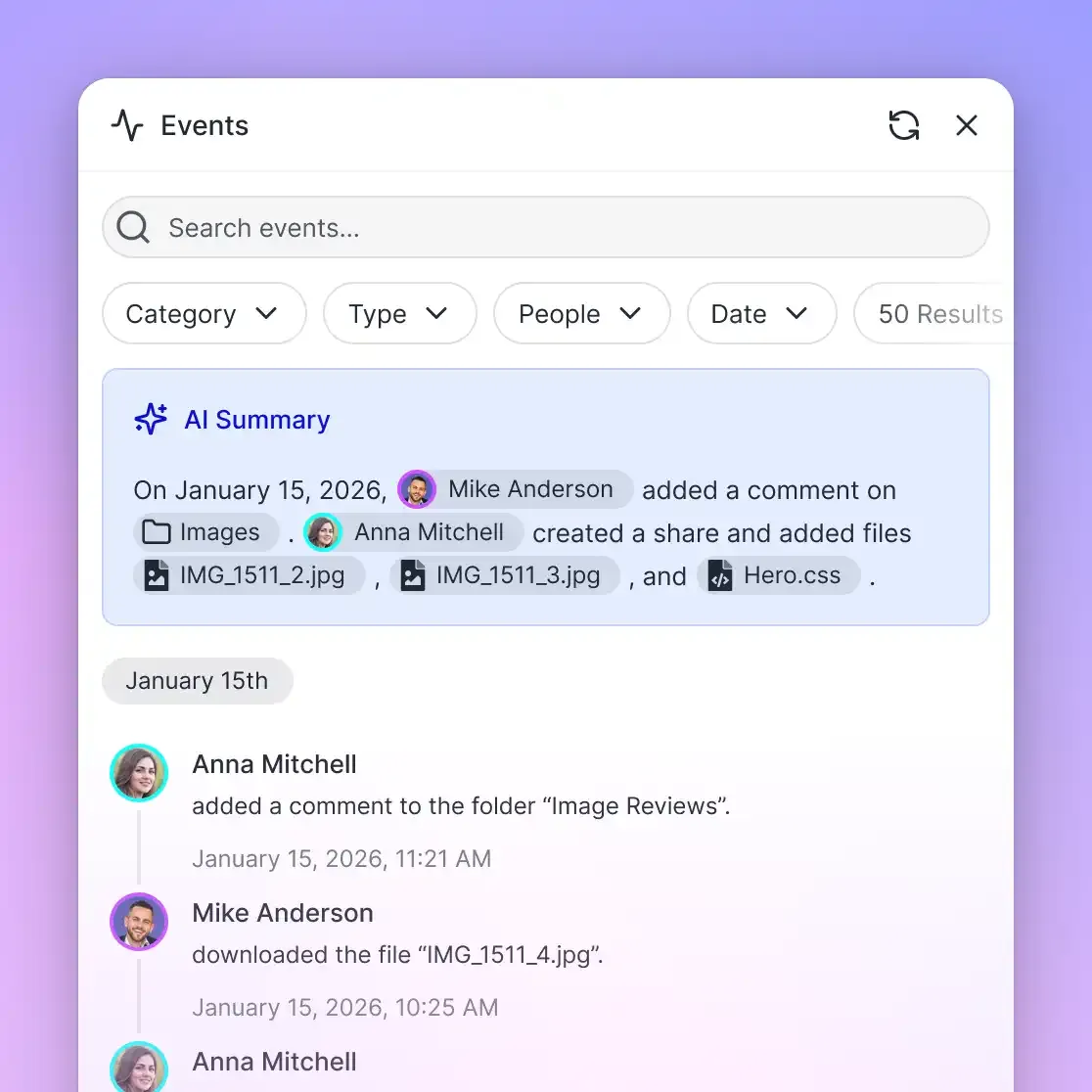
Handling State in Multi-Agent Systems
In complex systems, a single agent rarely does everything. You usually have an orchestrator and several workers. When a "Researcher Agent" finishes its task and hands off to a "Writer Agent," that handoff is just passing a checkpoint. Managing this requires shared storage. The first agent writes its report and state to a shared Fast.io workspace. The second agent then reads that state to understand the project history. This lets you swap out agents or upgrade their models separately. If the Writer Agent fails, it can resume from the Researcher’s last checkpoint without making the Researcher start over. This pattern also enables parallel processing. You can spin up ten agents to analyze ten files, each writing its own checkpoint. A central orchestrator can then combine those checkpoints, ensuring that even if three agents fail, the other seven keep going.
Best Practices for Reliable Agent Workflows
Checkpointing is not just saving JSON files. To build a system that scales well, you must follow some rules.
Ensure Idempotency and Atomic Saves
Agents often crash while saving. This can corrupt the file. Always write to a temporary file first, then rename it. Also, ensure that resuming a step does not repeat actions. Use flags like email_sent: true to stop the agent from sending the same email twice.
Versioning Your State Schema
As you update your agent, your state object will change. You might add fields or change types. Always include a version field. When an agent loads an old checkpoint, it should know how to update the data or stop and alert a developer. Without versioning, your agents will crash when reading old state after an update.
Use Intelligence Mode for Massive Context Sometimes the state is too large to load back. If an agent has worked for weeks, its logs might be huge. Fast.io's Intelligence Mode solves this by indexing your checkpoint files. Instead of loading a massive log file, your agent can use built-in RAG to ask questions about its history. This keeps token costs low while keeping access to the full history.
Monitoring and State Observability Don't treat checkpoints as black boxes. Build a simple dashboard that reads the state files. This lets your team see real-time progress, find sticking points, and help when an agent gets stuck. Knowing the state is the basis of good operations.
Frequently Asked Questions
What is the difference between agent state and memory?
State is the snapshot of the agent at a specific moment (current step, variable values), while memory is the accumulated history (logs, conversation). Checkpointing saves the state, which often includes a reference to the memory.
How often should an AI agent checkpoint?
Checkpoint after every expensive operation (like a large LLM call) or external side effect (like sending an API request). This approach minimizes the cost of retries.
Can I use a database like Redis for checkpointing?
Yes, Redis works for fast, small state. However, for agents that generate files or have large context windows, file-based storage on Fast.io is often cheaper and easier to manage than trying to stuff megabytes of text into a key-value store.
Related Resources

Give Your AI Agents Persistent Storage
Stop building bots that forget. fast.io gives your agents persistent file storage, RAG, and state management for free.