How to Build an AI Agent to Human Handoff Workflow
An AI agent to human handoff workflow is the critical bridge between autonomous operation and human oversight. Learn how to structure these transfers to ensure quality, maintain context, and create audit-ready trails for enterprise deployments.

What is an AI Agent to Human Handoff?
An AI agent to human handoff workflow is a pattern where an autonomous agent completes its work, packages the results, and transfers them to a human for review, approval, or continued action through a structured delivery mechanism. It is a core building block in any AI agent orchestration system.
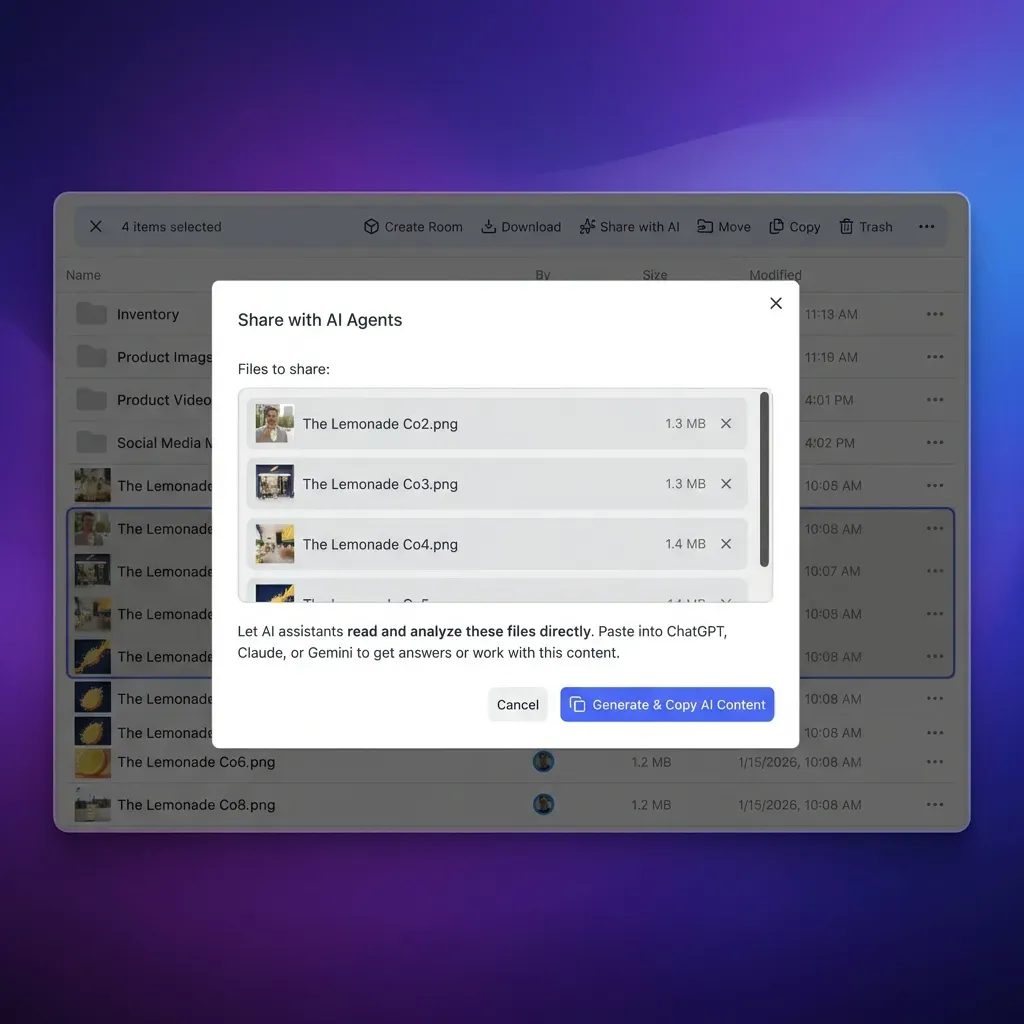
In production environments, agents rarely operate in isolation. They need to escalate low-confidence tasks, seek approval for high-stakes actions, or deliver finished work for final sign-off. The handoff is not just about stopping the agent; it is about transferring context so the human can pick up exactly where the machine left off without retracing steps.
According to industry surveys, 78% of enterprises require human oversight for AI agent outputs before they reach customers or production systems. This "human-in-the-loop" requirement creates a need for reliable, auditable infrastructure where agents and humans can collaborate on the same files and data.
Three Critical Handoff Patterns
Designing the right workflow depends on why the human is involved. Most agent systems use one of three core patterns:
- The Approval Gate: The agent completes a task (e.g., generating a report) and pauses. A human must review the output and explicitly "approve" it before the workflow continues or the file is published.
- The Exception Escalation: The agent attempts a task but encounters low confidence or an error (e.g., missing data). It halts execution and tags a human to resolve the specific blocker.
- The Relay Handoff: The agent performs the "heavy lifting" (e.g., data extraction) and hands the structured files to a human for high-level creative or strategic work.
Many production systems combine these patterns. An agent might process a batch of documents using the Relay pattern, but switch to Exception Escalation if it encounters a corrupted file or ambiguous input that falls outside its training data.
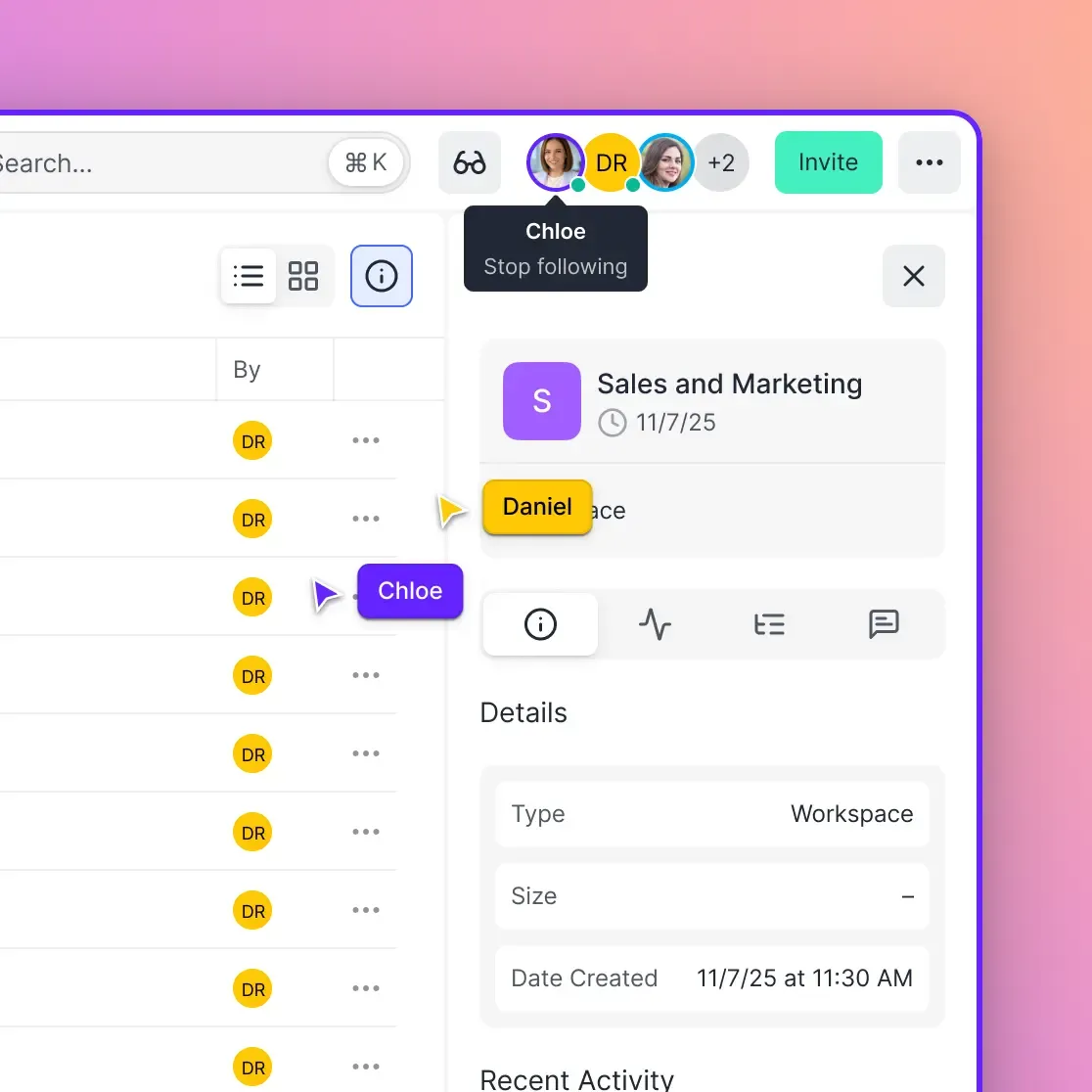
In all three cases, the transfer mechanism is key. Using email or chat for handoffs often leads to lost files and broken context. A shared storage layer, where agents and humans have equal access to the underlying artifacts, provides a single source of truth. For a deeper look at how agents interact with storage, see our guide on AI agent file storage.
Step-by-Step: Building the Workflow
To build a reliable handoff, you need a shared environment where both parties can interact. Here is how to structure it using Fast.io workspaces:
Define the Shared Workspace Create a workspace that serves as the "stage." Both the agent (via MCP or API) and the human (via web UI) need read/write access. This shared file system eliminates the need to "send" files; they exist in a location both can see.
Structure the Folders by State
Organize the workspace into clear stages: input/, processing/, needs-review/, and approved/. The agent picks up files from input/, processes them, and moves the results to needs-review/.
Package the Context
When the agent moves a file to review, it should include a "sidecar" file (like report-metadata.json or a markdown summary) explaining what it did, its confidence score, and any specific flags the human should check.
Trigger the Notification
Use webhooks to detect when a file enters the needs-review/ folder. This webhook can ping a Slack channel or email the human assignee, providing a direct link to the file in the Fast.io portal.


Give Your AI Agents Persistent Storage
Give your agents and humans a shared workspace with built-in audit trails, file locking, and infinite storage.
Managing Concurrent Access with File Locks
A common risk in human-agent collaboration is the "race condition," where an agent overwrites a file while a human is reviewing it.
To prevent this, use file locks. When a human opens a file for review, they can lock it (checking it out). The agent, attempting to update or move the file, will receive a lock error and know to wait. Conversely, an agent can lock a file while performing a long-running batch process, preventing humans from seeing incomplete data.
Fast.io supports standard WebDAV locking and API-based locking, allowing both MCP tools and human interfaces to respect each other's active work sessions. This is especially important in multi-agent setups where several agents may write to the same workspace concurrently.
Auditing the Handoff
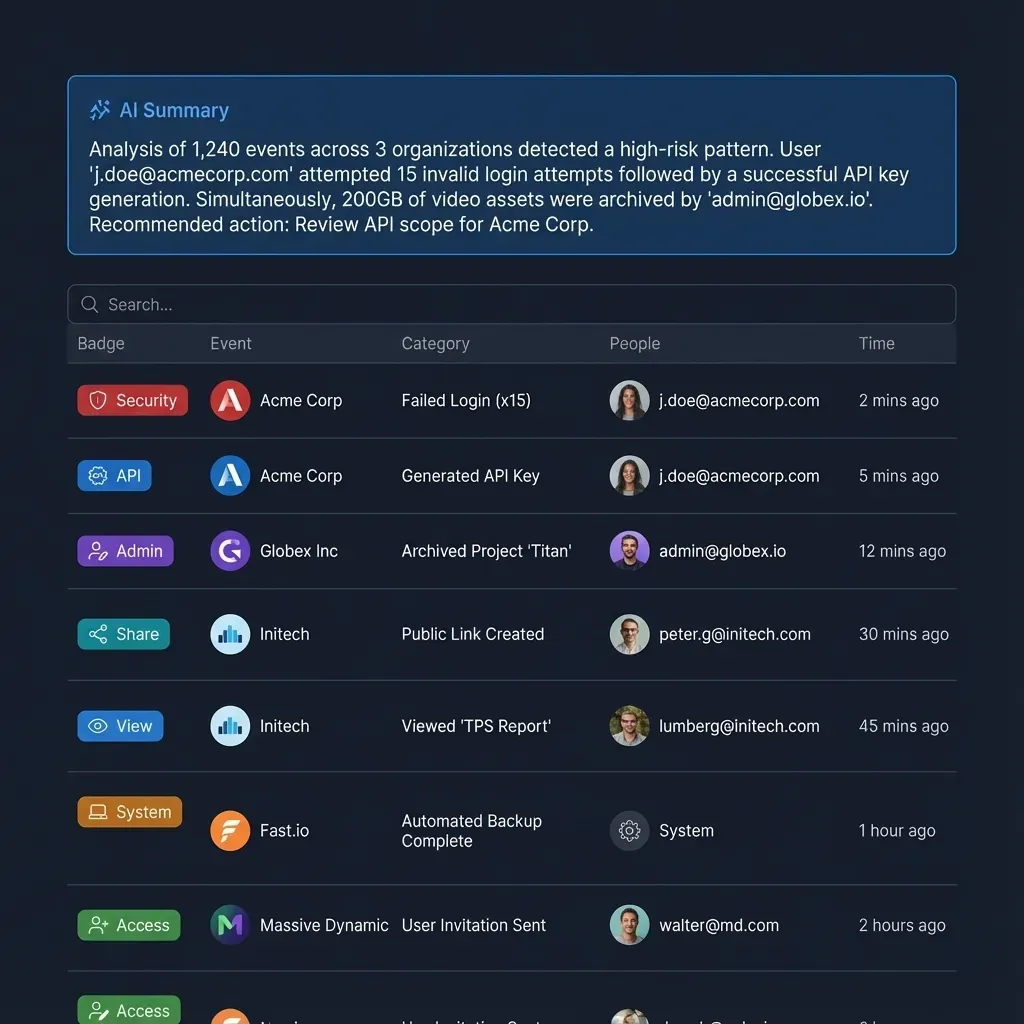
For compliance and improvement, you need to know who did what. Did the agent make that change, or did the human editor?
A proper handoff workflow generates a complete audit trail. In Fast.io, every file operation (upload, move, rename, delete) is logged with the identity of the actor. You can see exactly when the agent placed the file in "Review" and when the human moved it to "Approved." Each log entry records the timestamp, file path, and whether the action came from an API key (agent) or a browser session (human).
This log is essential for debugging agent behavior. If humans consistently reject an agent's work, the audit trail helps you identify the pattern and retrain the agent's prompts or logic. For regulated industries like finance or healthcare, these logs also satisfy requirements around data provenance and chain of custody.
Frequently Asked Questions
How do I notify a human when an agent is done?
Use webhooks triggered by file events. When an agent saves a file to a specific 'Review' folder, Fast.io sends a webhook payload to your chat app or workflow tool (like Zapier), alerting the human.
Can the agent fix mistakes the human finds?
Yes. In a feedback loop, the human can move a rejected file back to a 'Feedback' folder with a text note. The agent monitors this folder, reads the note, and retries the task.
Do I need a separate license for the agent?
No. Fast.io treats agents as first-class citizens. You can generate API keys for your agents or use the MCP server without purchasing a separate user seat.
What happens if the agent creates too many files?
Fast.io workspaces support millions of files. However, for human sanity, it is best to have the agent group outputs into folders or zip archives before handing them off.
Is this secure for client data?
Yes. Fast.io uses AES-256 encryption and supports granular permissions. You can invite clients to a 'Delivery' portal where they only see approved files, never the agent's raw work.
Related Resources

Give Your AI Agents Persistent Storage
Give your agents and humans a shared workspace with built-in audit trails, file locking, and infinite storage.