How to Build a Fundraising Data Room That Closes Rounds Faster
A fundraising data room is a secure virtual workspace where startups organize financial documents, legal agreements, and business metrics for prospective investors during a capital raise. This guide covers the complete setup process, from folder structure and document checklists to timing, permissions, and analytics, tailored to each funding stage.

What a Fundraising Data Room Actually Does
A fundraising data room is the secure workspace where investors review your company during due diligence. It replaces the old process of emailing PDFs back and forth, or worse, mailing physical binders to a law office.
The concept is simple: you organize every document an investor might request into a single, permission-controlled repository. Investors log in, review materials at their own pace, and your team tracks who looked at what and for how long.
This matters because due diligence is where deals stall. According to a 2024 analysis by HackerNoon, 68% of failed startup deals cited incomplete or disorganized documentation as a contributing factor. When a VC associate can't find your cap table or your financials don't match your pitch deck, the deal slows down or dies quietly.
Founders who prepare data rooms before investor conversations close rounds roughly 30% faster than those who assemble documents after a term sheet arrives. The reason is straightforward: you remove the back-and-forth bottleneck. Instead of a VC emailing "Can you send me your Q3 P&L?" and waiting two days for a response, everything is already there.
A fundraising data room typically contains 40 to 60 documents organized across 8 to 12 folders, though the exact count depends on your stage. Pre-seed rooms might have 15 to 25 documents. Series B rooms can exceed 70.
The rest of this guide walks through exactly what to include, how to organize it, and when to start.
When to Set Up Your Fundraising Data Room
Timing is the most overlooked part of fundraising preparation. Too early and you're maintaining documents that change weekly. Too late and you're scrambling while investors wait.
The Two-Month Rule
Start building your data room at least two months before your first investor meeting. This gives you enough time to collect documents from your lawyers, accountants, and team leads without rushing. Building an institutional-quality data room typically takes 6 to 10 weeks of pre-marketing preparation, according to PipelineRoad's fundraising analysis.
That timeline breaks down roughly like this:
- Weeks 1-2: Gather existing documents. You'll discover gaps, missing signatures, and outdated files.
- Weeks 3-4: Fill the gaps. Get your lawyers to finalize IP assignments, update your cap table, and reconcile your financials.
- Weeks 5-6: Organize and upload. Build your folder structure, name files consistently, and set permissions.
- Weeks 7-8: Test with a trusted advisor. Have someone outside your company review the room and flag anything confusing or missing.
Stage-Specific Timing
Pre-seed and seed: You can get away with a lighter setup. Many founders at this stage use Notion or Google Drive with a clear folder structure. The room is more about demonstrating organization than providing exhaustive documentation. Start 3 to 4 weeks before meetings.
Series A: This is where data rooms become non-negotiable. VCs will spend serious time reviewing your financials, contracts, and metrics. Start the full two months ahead.
Series B and beyond: Your data room should be a living document that's always current. At this stage, keeping it updated quarterly is better than building from scratch for each raise. Assign someone on your finance team to own it.
The "Always-On" Approach
Some founders maintain a lightweight data room at all times, even between rounds. This works well for opportunistic fundraising, when a VC reaches out cold or a strategic partner expresses interest. You can share a read-only link within hours instead of spending weeks pulling documents together.
Fundraising Data Room Folder Structure
The folder structure below works across funding stages. Use numbered prefixes to keep folders in a consistent order regardless of how the platform sorts them.
Recommended Top-Level Structure
- 01 - Company Overview: Pitch deck, executive summary, one-pager, company history timeline
- 02 - Financials: P&L statements, balance sheets, cash flow statements, financial projections, burn rate analysis
- 03 - Cap Table and Funding History: Current cap table, prior round term sheets, SAFEs, convertible notes, 409A valuations
- 04 - Legal and Corporate: Certificate of incorporation, bylaws, board resolutions, material contracts, IP assignments
- 05 - Product and Technology: Product roadmap, architecture overview, demo access, IP documentation
- 06 - Team: Founder bios, org chart, key hire plans, employment agreements, advisor agreements
- 07 - Customers and Traction: Revenue metrics, retention data, pipeline reports, customer contracts, case studies
- 08 - Market Analysis: TAM/SAM/SOM analysis, competitive landscape, industry reports
- 09 - Tax and Compliance: Tax returns, state registrations, regulatory filings
- 10 - Appendix: Additional materials added during diligence, investor Q&A log
File Naming Convention
Use a consistent naming pattern like [Category] - [Document Name] - [Date].pdf. For example: Financials - Monthly P&L - 2026-03.pdf. This makes documents easy to find and shows investors when each file was last updated.
What to Include at Each Stage
Pre-seed (15-25 documents): Focus on folders 01 through 05 and 08. Investors at this stage care about the team, the idea, and basic financials. Skip detailed HR documentation and tax filings.
Seed (30-45 documents): Add folders 06 and 07. Include customer traction data, employment agreements for key hires, and 5-year financial projections with monthly breakdowns for years one and two.
Series A (50-70 documents): All ten folders populated. Add detailed unit economics (CAC, LTV, payback period), customer contracts, board meeting minutes, and scenario analysis in your financial model.
Series B+ (70+ documents): Everything from Series A plus audited financials, revenue recognition policies, international entity documents, detailed HR policies, and key vendor contracts.


Organize Your Fundraising Documents in One Secure Workspace
Fast.io gives you branded portals with granular permissions, audit trails, and AI-powered document search. Start with the free plan, 50 GB storage, no credit card required.
Setting Permissions and Access Controls
Not every investor should see every document. A good data room lets you control access at the folder or file level, so you can share more as the relationship progresses.
Three-Tier Access Model
Tier 1, General Access: Company overview, pitch deck, executive summary, market analysis. Share this with any investor who expresses interest.
Tier 2, Diligence Access: Financials, cap table, customer metrics, product roadmap. Share after an initial meeting or NDA signature.
Tier 3, Sensitive Access: Employment agreements with compensation details, material contracts with specific terms, board minutes, tax returns. Share only with investors who have submitted a term sheet or are in final diligence.
Practical Permission Tips
Start with Tier 1 access and expand as conversations progress. This protects sensitive information while keeping the process moving. When an investor moves from initial interest to active diligence, you upgrade their access rather than building a new room.
Track when permissions change. If a deal falls through, revoke access promptly. You don't want a competing VC's portfolio company reading your customer contracts six months later.
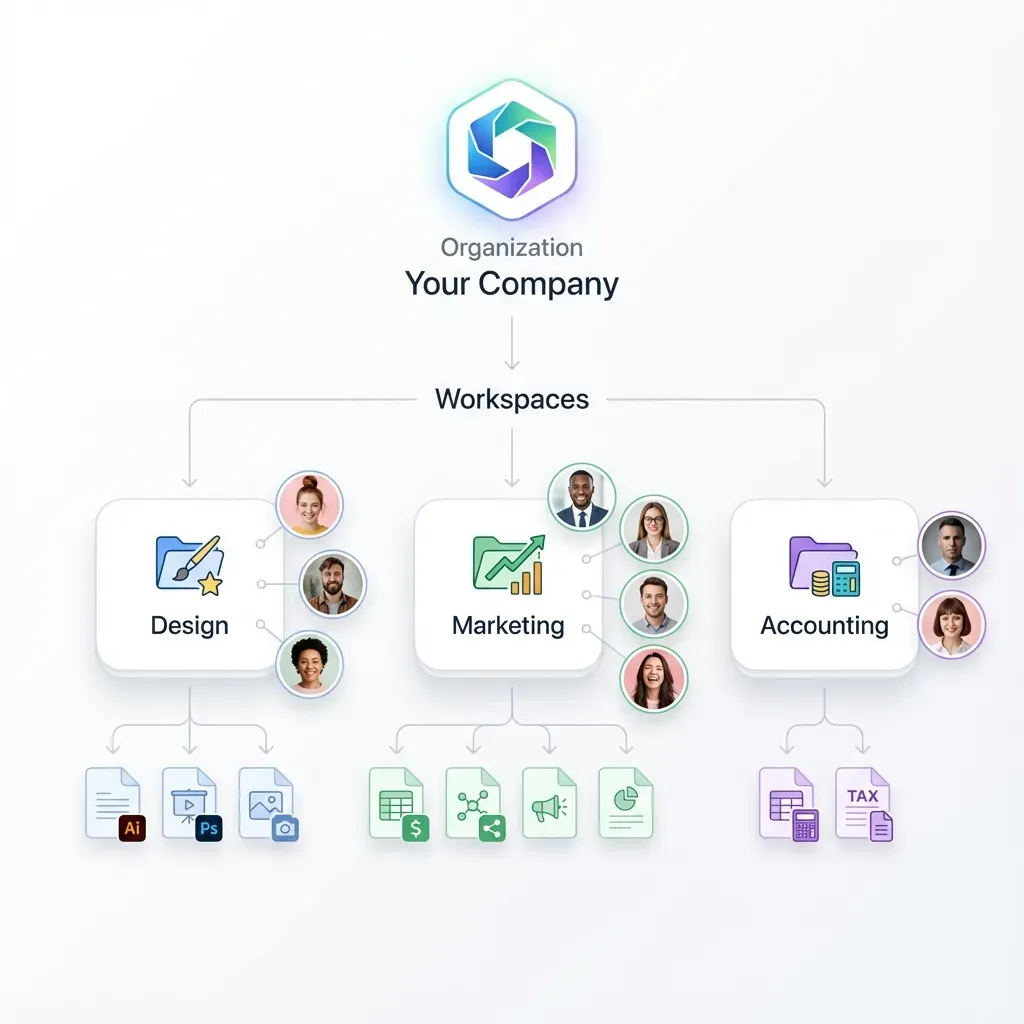
Platforms like Fast.io let you set granular permissions at the organization, workspace, folder, and file level. You can create separate content portals for different investor tiers, each with its own branding and access controls. Guest access links with auto-expiration work well for investors who haven't signed an NDA yet, since the link expires before they could share it widely.
If you're using simpler tools like Google Drive or Notion, simulate tiers by creating separate folders with different sharing settings. It's less elegant but functional for early-stage rounds.
Tracking Investor Engagement
One of the biggest advantages of a dedicated data room over a shared Google Drive folder is analytics. Knowing which investors are actively reviewing your materials helps you prioritize follow-ups and identify who's genuinely interested versus who's just collecting information.
What to Track
Document views: Which files did each investor open? If someone reviewed your financial model three times but never opened your product roadmap, that tells you something about their diligence priorities.
Time spent: An investor who spent 45 minutes in your financials folder is more engaged than one who clicked through in two minutes. Use this data to tailor your follow-up conversations.
Access patterns: When an investor shares access with colleagues at their fund, that's a positive signal. It means the deal is being discussed internally.
Unanswered gaps: If every investor skips the same folder, consider whether those documents belong in the main room or the appendix.
Using Analytics to Close Faster
After sending data room access, wait 48 to 72 hours, then check engagement. Investors who haven't logged in may need a nudge. Investors who've spent significant time in specific sections are ready for a deeper conversation about those topics.
Build a simple spreadsheet tracking each investor's access date, last login, documents viewed, and time spent. Update it weekly during an active raise. This becomes your follow-up priority list.
Fast.io's portal analytics track viewer engagement and document access patterns automatically, which saves you the manual tracking. The audit trail shows exactly who accessed what and when, creating a record that's also useful if you need to demonstrate data governance to later-stage investors.
For earlier-stage founders using free tools, DocSend offers per-page analytics on shared documents. Papermark is an open-source alternative with similar tracking capabilities.
Common Fundraising Data Room Mistakes
After reviewing how dozens of startups handle their data rooms, a few patterns consistently slow deals down or kill them outright.
Inconsistencies Between the Pitch Deck and the Data Room
If your pitch deck says $2M ARR but your financials show $1.7M, investors notice. Before sharing access, reconcile every number in your pitch deck against the underlying documents in your data room. This is the single most common reason deals lose momentum during diligence.
Outdated Documents
A financial model dated eight months ago raises questions. Keep your core documents current: monthly financials updated within 30 days, cap table reflecting the latest option grants, and customer metrics from the most recent quarter.
Too Many Documents Too Early
Pre-seed founders sometimes upload 60+ documents to look thorough. It backfires. Investors at this stage are evaluating founders, not legal structures. A focused room with 15 to 25 well-organized documents is more impressive than a bloated one that takes hours to review.
No Version Control
When you update a financial model during the raise, investors need to see the latest version, not the one from three weeks ago. Use a platform with file versioning so updates replace the previous version automatically and you maintain a clear history of changes.
Fast.io's workspaces include built-in file versioning, so when you upload an updated cap table or revised projections, the previous version stays accessible in the version history while investors always see the latest file. Combined with audit trails that log every file operation, you get a clear record of what changed and when.
Ignoring Mobile Access
VCs review data rooms from airports, Ubers, and coffee shops. If your room doesn't work on mobile or requires downloading large files, you're adding friction. Choose a platform with in-browser previews for PDFs, spreadsheets, and presentations.
No Q&A Process
Investors will have questions. Build a process for handling them. Some founders add an "Investor Q&A" document in the appendix that gets updated as questions come in. Others use the data room's commenting features. The key is responding quickly, since slow responses signal disorganization.
Frequently Asked Questions
What should be in a fundraising data room?
A fundraising data room should contain your pitch deck, financial statements (P&L, balance sheet, cash flow), financial projections, cap table, prior funding documents (SAFEs, convertible notes), certificate of incorporation, bylaws, IP assignments, product roadmap, team bios, customer metrics, and market analysis. The exact scope depends on your stage: pre-seed rooms typically have 15-25 documents, while Series A rooms contain 50-70 documents across 8-12 folders.
How do you organize a data room for investors?
Use numbered top-level folders (01 - Company Overview, 02 - Financials, 03 - Cap Table, etc.) to maintain a consistent order. Name files with a pattern like Category - Document Name - Date.pdf. Set up tiered permissions so general information is available to all investors while sensitive documents like compensation details and board minutes are restricted to investors in active diligence.
When should you set up a fundraising data room?
Start building your data room at least two months before your first investor meeting. The first two weeks are for gathering existing documents and identifying gaps. Weeks three and four are for filling those gaps with your lawyers and accountants. Weeks five and six are for organizing and uploading. The final two weeks are for testing with a trusted advisor. For pre-seed rounds, three to four weeks of preparation is usually sufficient.
What is the best data room for startup fundraising?
It depends on your stage and budget. Pre-seed founders often start with Google Drive or Notion for simplicity. At seed stage, Papermark (open-source with analytics) and DocSend (per-page tracking) are popular. For Series A and beyond, platforms like Fast.io offer granular permissions, audit trails, content portals with branding, and built-in AI for document search. Enterprise options like Datasite and Intralinks serve later-stage and M&A transactions.
How many documents should be in a Series A data room?
A typical Series A data room contains 50 to 70 documents organized across 8 to 12 folders. This includes detailed financial models with scenario analysis, monthly P&L with variance analysis, unit economics (CAC, LTV, payback period), customer contracts, employment agreements, board meeting minutes, and comprehensive legal documentation. The exact count varies by industry and investor requirements.
Should I use an NDA before sharing my data room?
For Tier 1 materials like your pitch deck and executive summary, NDAs are usually unnecessary and can slow down early conversations. Most reputable VCs won't sign NDAs for initial review. For Tier 2 and Tier 3 materials containing detailed financials, customer contracts, and compensation data, an NDA or at minimum auto-expiring access links are reasonable precautions.
Related Resources

Organize Your Fundraising Documents in One Secure Workspace
Fast.io gives you branded portals with granular permissions, audit trails, and AI-powered document search. Start with the free plan, 50 GB storage, no credit card required.