Virtual Data Rooms Comparison: Pricing, Features, and What to Look For
Choosing a virtual data room is tricky because pricing varies wildly and feature lists blur together. This guide cuts through the noise with an honest comparison of the top VDR providers, what they actually cost, and which ones fit specific use cases. We also explain how to evaluate any VDR against your actual needs. This guide covers virtual data rooms comparison with practical examples.
What Is a Virtual Data Room?: virtual data rooms comparison
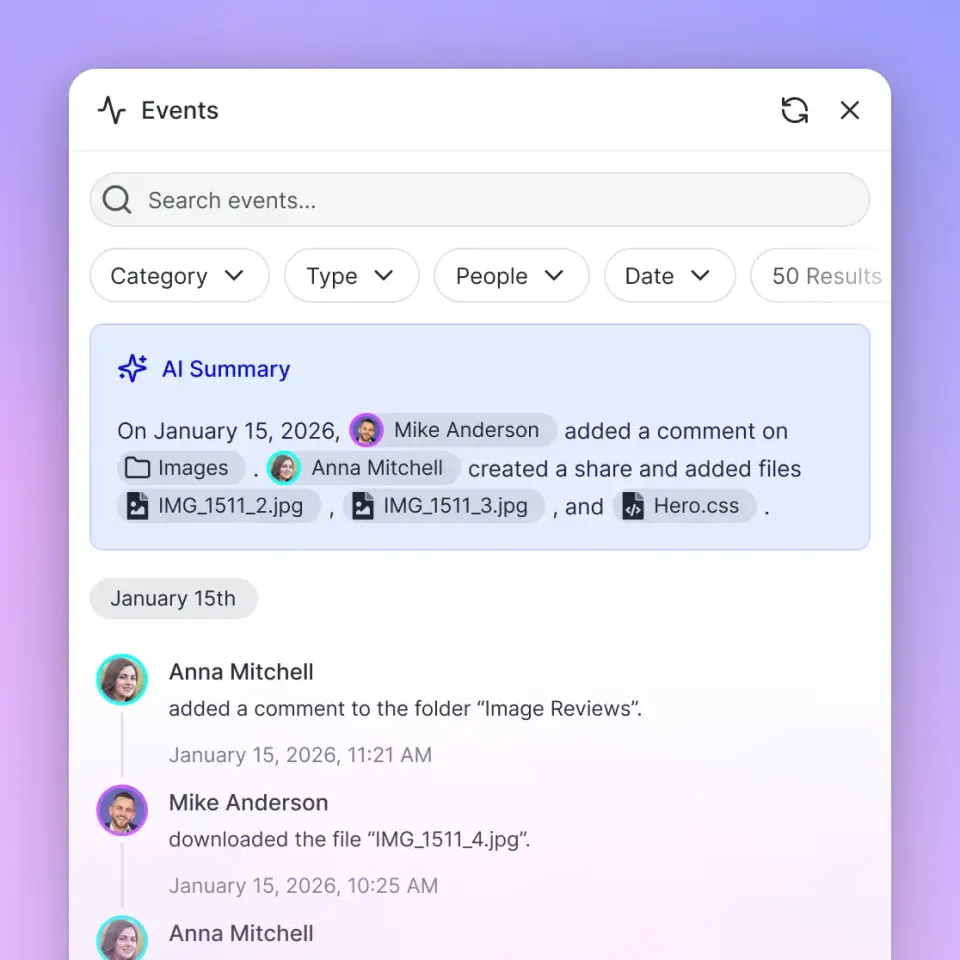
A virtual data room (VDR) is a secure online repository where businesses store and share confidential documents. Unlike general file sharing services, VDRs are built specifically for high-stakes scenarios: M&A transactions, due diligence, fundraising, IPOs, and legal proceedings. The key difference between a VDR and regular cloud storage is control. VDRs offer fine-grained permissions (view-only, no download, time-limited access), detailed audit trails showing exactly who viewed what and when, and security features like watermarking and access revocation. Most organizations use VDRs when:
- Selling or acquiring a company
- Raising capital from investors
- Managing board communications
- Handling litigation discovery
- Licensing intellectual property
Helpful references: Fast.io Workspaces, Fast.io Collaboration, and Fast.io AI.
How VDR Pricing Actually Works
VDR pricing is notoriously opaque. Vendors quote different metrics, make it hard to compare, and sometimes charge per-page fees that balloon during active deals.
Common pricing models:
- Per-page pricing: Charges per page uploaded. A 10,000-page deal room costs $4,000 to $10,000 just for document storage. This model punishes thorough due diligence.
- Usage-based (per GB): Charges based on storage consumed. More predictable than per-page, but costs still scale with deal complexity.
- Per-user pricing: Common in enterprise VDRs. with costs scaling by team size, often thousands per month before storage fees.
- Flat monthly/annual fee: Fixed price regardless of pages, users, or storage. Typically several hundred dollars monthly for mid-market deals.
What enterprise VDRs actually cost:
Traditional enterprise VDRs like Intralinks and Datasite often run tens of thousands of dollars per deal, with premium service tiers offering dedicated support. For billion-dollar M&A transactions, this cost is trivial. For smaller deals, it's often overkill. Modern VDRs like Fast.io, ShareVault, and SecureDocs offer similar security at 70-90% lower cost through flat-rate pricing and self-service setup.
Virtual Data Room Comparison: Top Providers
This comparison focuses on VDRs commonly used for M&A, due diligence, and investor relations. We've grouped them by target market and typical use case. Consider how this fits into your broader workflow and what matters most for your team. The right choice depends on your specific requirements: file types, team size, security needs, and how you collaborate with external partners. Testing with a free account is the fast way to know if a tool works for you. Consider how this fits into your broader workflow and what matters most for your team. The right choice depends on your specific requirements: file types, team size, security needs, and how you collaborate with external partners. Testing with a free account is the fast way to know if a tool works for you.



Start with virtual data rooms comparison on Fast.io
Get secure file sharing with fine-grained permissions, detailed audit trails, and flat-rate pricing.
How to Evaluate a Virtual Data Room
When comparing VDRs, focus on these categories:
Security Features
The basics every VDR should have:
- Encryption: industry-leading encryption at rest and secure transmission in transit
- Two-factor authentication (2FA): Required for all users
- Fine-grained permissions: Control at folder, document, and page level
- Dynamic watermarking: Overlay viewer identity on documents
- Access revocation: Instantly cut off access to downloaded files
Ask about:
- Can you revoke access to files after they've been downloaded?
- What happens if a user screenshots a document?
- How are permissions inherited across folder hierarchies?
Audit and Reporting
You need complete visibility into who accessed what:
- View/download/print activity by user and document
- Time spent on each page (engagement analytics)
- IP address and device tracking
- Exportable reports for legal compliance
User Experience
A VDR is useless if buyers refuse to use it:
- How fast can external users get access? (Hours vs. days)
- Do reviewers need to install software or plugins?
- Is the interface intuitive for non-technical users?
- Does it work well on mobile devices?
Pricing Transparency
Red flags in VDR pricing:
- Per-page fees that scale unpredictably
- Hidden costs for "premium" features
- Overage charges that appear mid-deal
- Long-term contracts with auto-renewal
Green flags:
- Published pricing on the website
- Flat monthly or annual fee
- Unlimited users included
- Clear storage limits upfront
Virtual Data Room Features Comparison Table
Here's how the major VDR providers compare across key features:
Note: Features and pricing change frequently. Always verify current offerings directly with vendors before committing.
When You Don't Need a Traditional VDR
Not every deal requires a $15,000 data room. Consider whether your situation actually calls for a traditional VDR:
Traditional VDR makes sense when:
- Deal size exceeds $50M and legal/compliance stakes are high
- Multiple competing bidders need simultaneous controlled access
- Regulatory requirements mandate specific audit capabilities
- You need dedicated project management and 24/7 support
Secure file sharing may suffice when:
- Fundraising from known investors (seed, Series A)
- Internal board communications
- Client deliverables that don't require page-level tracking
- Smaller deals where per-deal pricing is prohibitive
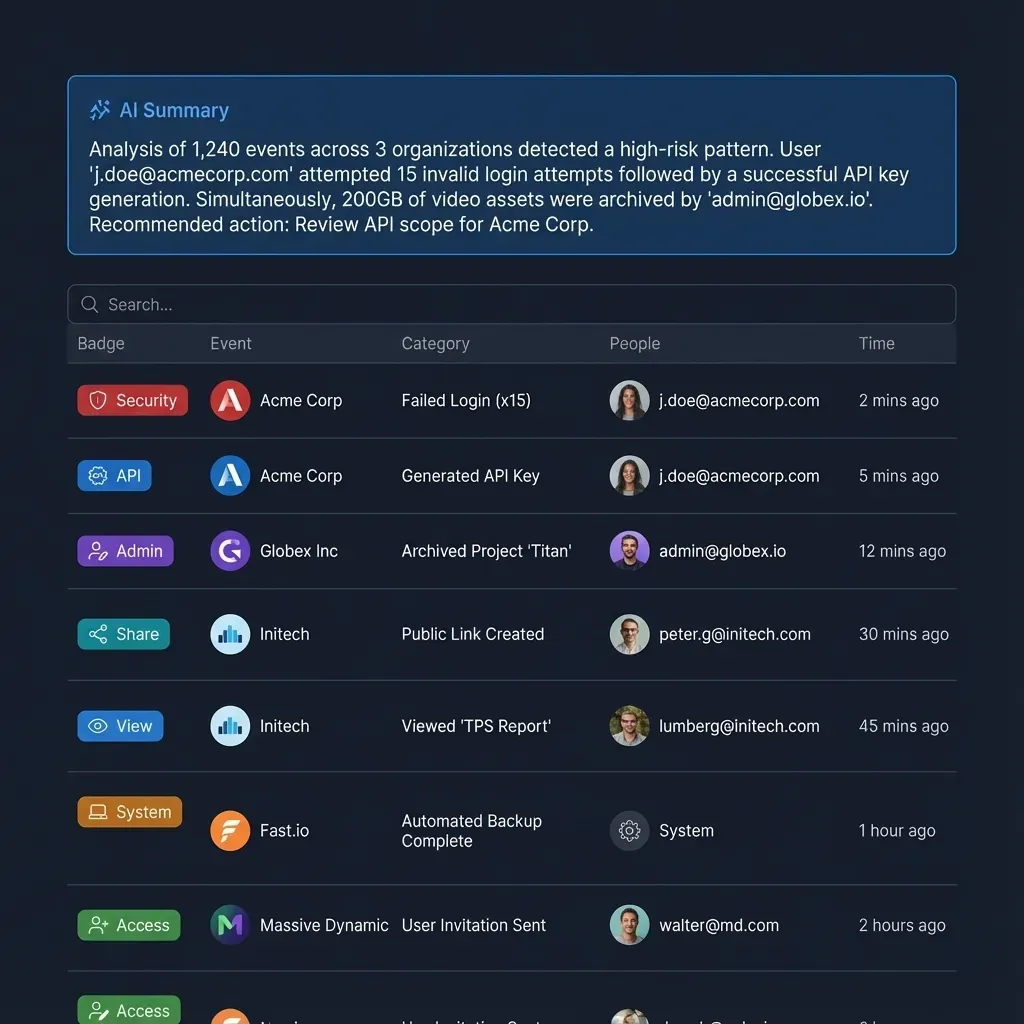
Modern cloud storage platforms with data room features can handle many scenarios that previously required enterprise VDRs. Fast.io, for example, offers branded portals, detailed permissions, view analytics, and instant access revocation at a fraction of enterprise VDR costs.
Questions to Ask Before Choosing a VDR
Before signing a contract, get clear answers to these questions:
About pricing:
- What's the total cost for a typical deal in my size range?
- Are there per-page, per-user, or overage fees?
- What happens if the deal takes longer than expected?
- Can I pause billing between deals?
About security:
- What certifications do you hold?
- How do you handle security incidents?
- Can I get a copy of your security audit reports?
About support:
- What's included in the base price?
- Is setup self-service or managed?
- What are response times for technical issues?
- Do you offer training for my team?
About flexibility:
- How quickly can I set up a new data room?
- Can I export my data if I switch providers?
- What integrations are available (Salesforce, DocuSign, etc.)?
- Is there a free trial or pilot period?
Frequently Asked Questions
What is the best virtual data room?
The best VDR depends on your deal size and budget. For enterprise M&A over $100M, Intralinks and Datasite are industry standards. For mid-market deals, iDeals and Ansarada offer strong features at lower cost. Startups and small deals often choose SecureDocs or modern platforms like Fast.io that offer data room features without enterprise pricing.
How much do virtual data rooms cost?
VDR pricing ranges from published pricing for basic plans to $50,000+ per deal for enterprise solutions. Flat-rate mid-market VDRs typically cost $500-2,000/month. Per-page pricing can exceed $1/page, making a 10,000-page data room cost $10,000 or more. Always calculate total cost based on your expected document volume and deal timeline.
What are the top virtual data room providers?
Top enterprise providers include Intralinks (SS&C), Datasite, and Ansarada. Mid-market leaders include iDeals, ShareVault, and SecureDocs. Modern alternatives like Fast.io offer data room functionality with flat-rate pricing and AI-powered features. The right choice depends on deal complexity, budget, and required features.
What should I look for in a virtual data room?
Focus on five areas: security (advanced encryption, 2FA, dynamic watermarks), permissions (control at folder and document level), audit trails (detailed activity logs with engagement analytics), usability (fast setup, no plugins required for viewers), and pricing transparency (flat fees over per-page or hidden costs).
Are virtual data rooms better than Dropbox for M&A?
Yes, for M&A and due diligence. Consumer file sharing services lack the fine-grained permissions, detailed audit trails, and access control features required for deal management. VDRs offer view-only modes, dynamic watermarking, page-level activity tracking, and instant access revocation that general cloud storage doesn't provide.
Can I use a virtual data room for fundraising?
. VDRs are commonly used for Series A and later fundraising rounds. They let you share financials, cap tables, and legal documents with multiple investors while tracking who views what. For seed rounds with fewer investors, a simpler secure sharing solution may suffice.
Related Resources

Start with virtual data rooms comparison on Fast.io
Get secure file sharing with fine-grained permissions, detailed audit trails, and flat-rate pricing.