How to Choose Video Cloud Storage for Creators
Video cloud storage is online storage optimized for large video files, offering streaming playback, organization, and sharing without downloading. With large video files, choosing the right platform means looking beyond storage capacity to features like preview playback, team collaboration, and efficient delivery workflows.

What Makes Video Cloud Storage Different From Regular Cloud Storage
Video cloud storage is online storage designed specifically for video files, with features like streaming preview, format support for professional codecs, and sharing that doesn't require recipients to download multi-gigabyte files. Regular cloud storage treats video like any other file. You upload it, you download it. That works for documents. It doesn't work when your project files are tens of GB and your client just wants to review a cut. Video-specific cloud storage solves three problems that general-purpose storage can't:
- Preview without downloading: Stream video directly in the browser instead of waiting for a 4K file to download
- Professional format support: Open ProRes, RAW, and other production formats without converting them first
- Efficient sharing: Send review links where clients watch without needing software or storage space
Much of the storage industry's growth comes from video. Content creation has increased in recent years, and most of that content is video. Storage built for documents can't keep up.
Helpful references: Fast.io Workspaces, Fast.io Collaboration, and Fast.io AI.
Five Features Video Professionals Need From Cloud Storage
If you're evaluating video cloud storage, these five capabilities separate platforms built for video from repurposed document storage.
1. HLS Streaming Playback
Adaptive bitrate streaming (the same technology Netflix uses) lets you watch video instantly without downloading the full file. You click play, it starts. No buffering wheel while massive files transfer to your device. Look for platforms that transcode uploads into streamable formats automatically. The original stays safe; a web-optimized version handles preview and sharing.
2. Frame-Accurate Commenting
Generic cloud storage lets you comment on files. Video cloud storage lets you pin comments to specific frames. When a client says "I don't like that transition," you need to know which transition. Frame-accurate feedback eliminates rounds of clarification and speeds up the review cycle.
3. Professional Format Support
Production workflows use formats like ProRes, DNxHD, BRAW, and various RAW codecs. Consumer cloud storage often can't preview these. You end up exporting proxies just so clients can see what you're working on. Video-specific platforms handle professional formats natively, generating previews automatically while preserving original quality files.
4. Folder and Workspace Organization Video projects have structure: raw footage, selects, exports, graphics, audio. A single "My Drive" folder doesn't cut it. Look for workspace-based organization that mirrors your real workflow. Separate spaces for separate projects, with the ability to invite collaborators to specific areas without exposing everything.
5. Version History for Large Files
When you overwrite an export, you need to get the previous version back. Traditional versioning works for small files. For video, you need a system that handles large files without eating all your storage quota on duplicates.
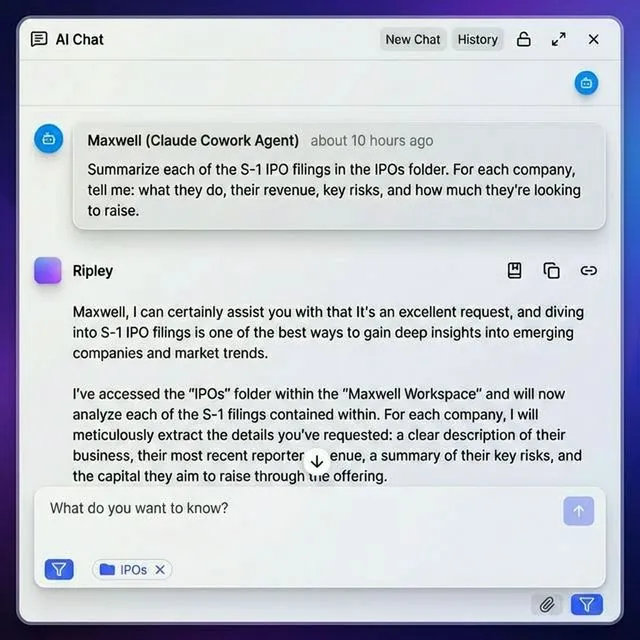


Share Files Without Limits on Fast.io
Stop wrestling with cloud storage that treats video like documents. Fast.io handles large files, streaming preview, and client sharing the way video professionals need.
How Much Cloud Storage Do You Need for Video
Storage math for video gets complicated fast. Here's a realistic breakdown.
Raw footage requirements by format:
- 1080p H.264: low tens of GB per hour
- 4K H.264: high tens of GB per hour
- 4K ProRes 422: ~212GB per hour
- RED RAW 6K: ~370GB per hour
A wedding videographer shooting a full day in 4K H.264 generates hundreds of GB of raw footage per event. A commercial production shooting ProRes might hit a terabyte in a single day.
The calculation most people get wrong: They budget for finished projects but forget about working files. Between raw footage, proxy files, project files, exports, and revisions, a single project often takes more space than the final deliverable.
A practical approach: If you complete a few projects per month and want to keep a year of archive, multiply your typical project size by the number of projects you plan to store. That's your baseline. Then add a buffer for growth. For most independent creators, a multi-terabyte plan handles active work. For production teams, larger capacities are the starting point, with some teams needing tens of TB or more. The key isn't finding the cheapest gigabyte. It's finding storage where you can use all that space effectively through streaming, sharing, and organization.
Video Cloud Storage vs External Hard Drives
External drives are cheaper per gigabyte. External drives are relatively inexpensive compared to recurring cloud costs. But cost per gigabyte misses the point.
What external drives can't do:
- Share a multi-GB file with a client (you'd have to upload it somewhere anyway)
- Let remote team members access the same footage simultaneously
- Provide instant preview without copying files to local storage
- Survive a theft, fire, or drive failure without backup copies
When external drives make sense:
- Cold archive of completed projects you rarely access
- On-set backup as a safety net before uploading
- Air-gapped storage for sensitive material
When cloud storage makes sense:
- Active projects with multiple collaborators
- Client review and approval workflows
- Remote teams or freelancers who need shared access
- Any project where sharing matters as much as storing
Most video professionals use both. External drives for archive and backup. Cloud storage for everything active.

Streaming Video From Cloud Storage: What Works and What Doesn't
"Can I stream video from cloud storage?" comes up constantly. The answer depends on what you mean by "stream."
Streaming for preview (watching your own files): Yes, with the right platform. Services built for video transcode uploads into HLS streams that play instantly in the browser. You don't download massive files to watch a quick clip.
Streaming for client review: Yes, but better. Share a link where clients watch directly without logging in, downloading files, or installing software. Good platforms include commenting and approval tools in the viewing experience.
Streaming for public distribution (like YouTube): Not directly. Cloud storage isn't a CDN or video hosting platform. If you need to embed video on a website for thousands of viewers, you want dedicated video hosting (Vimeo, Wistia, or a custom setup), not cloud storage.
Streaming for editing (scrubbing through timeline): Depends on your setup and connection. Some editors work directly from cloud storage using proxy workflows. Others prefer local copies of working files. A fast internet connection handles most proxy workflows; original 4K footage might lag. The platforms that handle video well generate optimized streaming copies automatically. You upload your ProRes master; they create an H.264 stream for preview. The original stays intact for download and editing.
Comparing Video Cloud Storage Options
The market breaks into three categories: general cloud storage, video-focused platforms, and professional media asset management.
General Cloud Storage (Google Drive, Dropbox, OneDrive)
Everyone has these. Affordable, but not built for video. Preview capabilities vary. Sharing works but lacks video-specific features like frame commenting. Pricing is per-user, which gets expensive for teams.
Best for: Individuals with simple needs and small files.
Video-Focused Cloud Storage (Fast.io, Frame.io)
Built around video workflows. HLS streaming preview, professional format support, frame-accurate comments, and sharing designed for review cycles. Fast.io uses usage-based pricing rather than per-seat, which saves money for teams. Frame.io is tightly integrated with Adobe and Apple editing software.
Best for: Teams who need collaboration, preview, and efficient sharing.
Professional MAM/DAM Systems (Iconik, MediaSilo)
Enterprise-grade media asset management with advanced metadata, rights management, and integration with broadcast workflows. Higher price point, longer implementation.
Best for: Large organizations with complex compliance or distribution requirements.
Object Storage (Backblaze B2, Wasabi)
Raw storage with S3-compatible APIs. Cheapest per gigabyte, but no built-in preview, sharing, or collaboration. You'd need to build those features yourself or use additional tools.
Best for: Archive and backup, or developers building custom solutions. The right choice depends on your workflow. If you just need backup, object storage wins on price. If you need to share and collaborate, video-focused platforms pay for themselves in saved time.
Setting Up an Efficient Video Cloud Storage Workflow
A practical workflow balances local speed with cloud accessibility. Here's how to set one up.
Ingest
Upload raw footage immediately after shooting. Don't wait until post-production. Cloud storage is your backup from day one. If bandwidth is limited, start with proxy files and upload full resolution overnight. Most platforms can work with both simultaneously.
Organization Create a consistent folder structure and stick to it:
Project Name/
├── 01_Raw/
├── 02_Selects/
├── 03_Audio/
├── 04_Graphics/
├── 05_Exports/
└── 06_Deliverables/
Use workspaces to separate projects. This keeps navigation clean and lets you invite collaborators to specific projects without exposing your entire archive.
Editing
For solo work with good internet (100Mbps+), you can often edit directly from cloud storage using proxy files. For larger teams or complex timelines, download working files locally and sync periodically.
Review
Generate shareable links with streaming preview enabled. Clients watch instantly without downloading. Comments tie to specific timelines, making feedback actionable. Set expiration dates on review links. You don't want outdated cuts floating around months later.
Delivery
For final delivery, you have options: direct download links, branded portals, or integration with delivery services. Match the method to your client's expectations and your brand.
Archive
Completed projects move to archive storage. If your platform supports tiered storage, cold archive saves money on footage you rarely access.
Frequently Asked Questions
What is the top cloud storage for video editing?
The top cloud storage for video editing combines streaming preview, professional format support (ProRes, RAW), and frame-accurate commenting for reviews. For teams, look for usage-based pricing rather than per-seat costs. Fast.io and Frame.io both handle video workflows well, with Fast.io saving money for larger teams and Frame.io offering tighter Adobe integration.
How much cloud storage do I need for videos?
For independent creators, a multi-terabyte plan typically handles active work. Production teams often need larger capacities. Calculate by multiplying your typical project size (including raw footage, proxies, and exports) by the number of projects you plan to archive, then add a buffer for growth. A single 4K shoot can generate hundreds of gigabytes depending on codec.
Can I stream video from cloud storage?
Yes, with the right platform. Video-focused cloud storage like Fast.io transcodes uploads into HLS streams that play instantly in the browser. For client review, share links where viewers watch without downloading. This doesn't replace dedicated video hosting (like Vimeo) for public distribution, but works well for internal preview and client review workflows.
Is cloud storage or external drives better for video?
Use both. Cloud storage handles active projects, collaboration, and client sharing. External drives work for cold archive and on-set backup. Cloud storage costs more per gigabyte but enables workflows that external drives can't match, like instant sharing and team access. Most video professionals keep recent projects in the cloud and archive completed work to drives.
What video formats does cloud storage support?
General cloud storage (Google Drive, Dropbox) has limited format support and often can't preview professional codecs. Video-focused platforms handle ProRes, DNxHD, various RAW formats, and standard codecs like H.264/H.265. The platform should generate preview proxies automatically while preserving your original files intact for download.
Related Resources

Share Files Without Limits on Fast.io
Stop wrestling with cloud storage that treats video like documents. Fast.io handles large files, streaming preview, and client sharing the way video professionals need.