Top 10 MCP Servers for Production AI Agents
MCP servers help production AI agents call tools securely via the Model Context Protocol. They use streamable HTTP or SSE for tool calls from clients like Claude Desktop or Cursor. We ranked these top multiple MCP servers by production readiness. Main factors: agent persistence for stateful work, multi-tenancy for teams, simple deployment, and scalability. Open-source picks lead GitHub and Reddit chats, but many overlook production basics like persistence and team support. Hosted services handle those better.

What Is an MCP Server?: mcp servers production agents
MCP servers implement the Model Context Protocol. It links AI agents to tools and data sources outside the model.
Agents send tool calls over HTTP or SSE. The server takes care of authentication, keeps track of session state, and returns responses. Production environments require stable links for tasks that run a while.
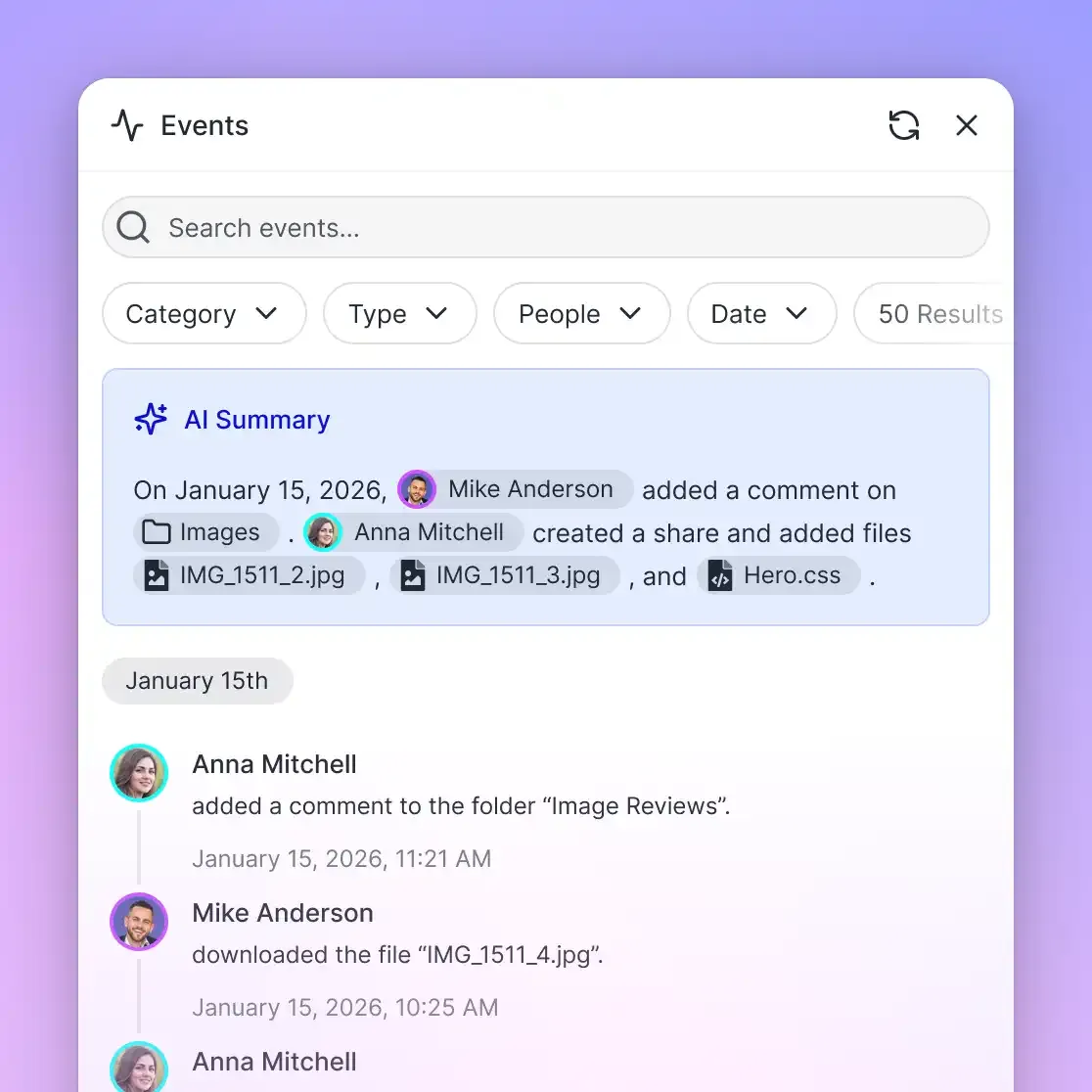
Fast.io's MCP uses Durable Objects for session persistence, for instance. Agent context survives multiple tool calls. Drop that feature, and state vanishes between turns.
Helpful references: Fast.io Workspaces, Fast.io Collaboration, and Fast.io AI.
Practical execution note for top mcp servers for production ai agents: define a baseline process, assign ownership, and document fallback behavior when dependencies fail. Run a pilot with a small team, collect concrete metrics, and compare throughput, error rate, and review time before broad rollout. After rollout, keep a living checklist so future contributors can repeat the workflow without re-learning critical constraints.
How We Evaluated Top MCP Servers
We looked at GitHub repos, Reddit threads, and server docs. Scores based on:
Persistence (state across calls): 30 points Multi-tenancy (orgs, permissions): 25 points Deployment ease: 20 points Tool count and variety: 10 points Pricing and scale: 10 points Security/uptime: 5 points
| Server | Persistence | Multi-Tenancy | Ease (1-10) | Tools | Pricing | Total |
|---|---|---|---|---|---|---|
| Fast.io MCP | Yes | Yes | multiple | Extensive | Free tier | multiple.8 |
| AgentMail MCP | Partial | No | multiple | Free OSS | multiple.2 | |
| ActivePieces | No | Partial | multiple | multiple+ | OSS | multiple.8 |
| mcp-use | No | No | multiple | Varies | OSS | multiple.5 |
| AgentGateway | Yes | Yes | multiple | Proxy | OSS | multiple.8 |
| Microsoft MCP | No | No | multiple | Docs | Free | multiple.9 |
| DesktopCommander | Partial | No | multiple | Terminal | OSS | multiple.4 |
| Snyk Scan | No | No | multiple | Security | Free tier | multiple.2 |
| MCP-Airbnb | No | No | multiple | Search | OSS | multiple.8 |
| Google GenAI | Partial | Yes | multiple | DBs | Pay-per-use | multiple.3 |
Deployment scores show setup time for production use. Persistence means handling sessions properly. Multi-tenancy includes role-based access control.
1. Fast.io MCP (mcp.fast.io)
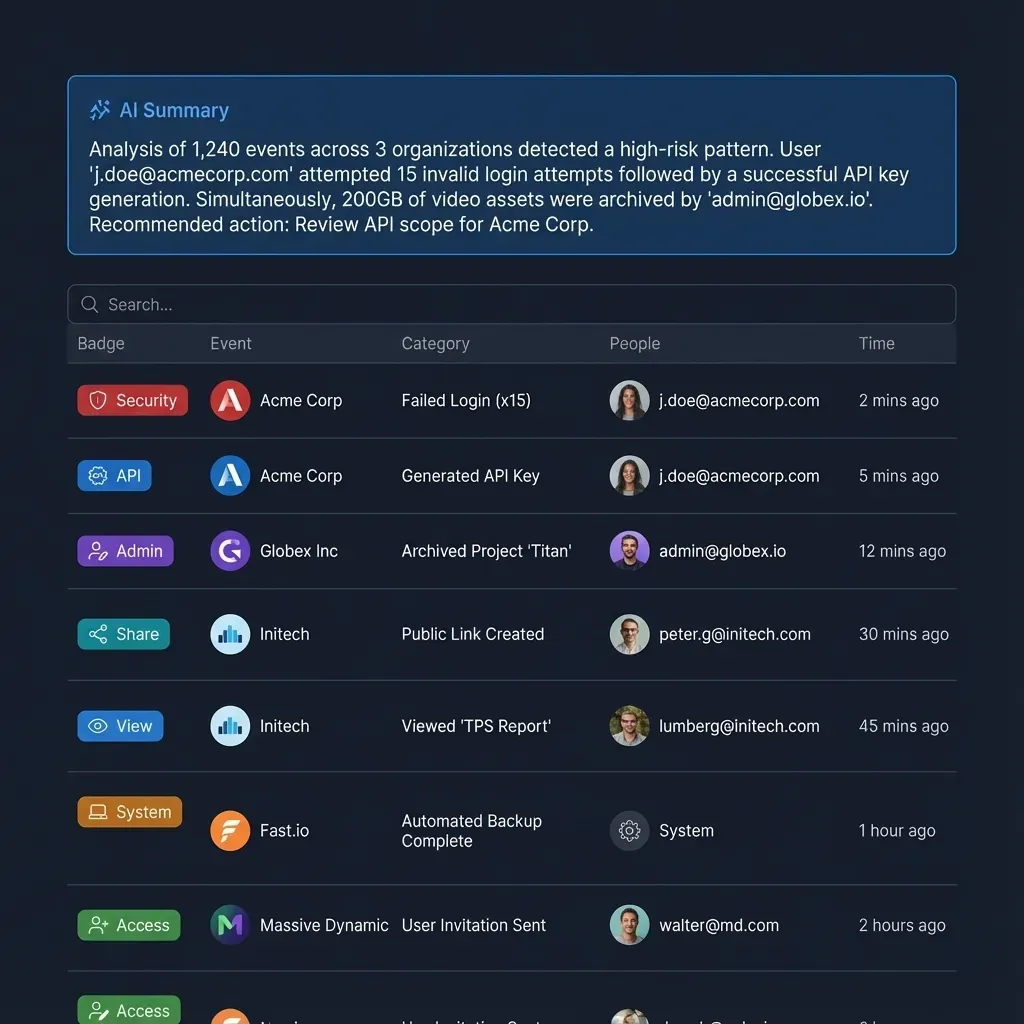
Fast.io MCP includes multiple tools for file workspaces, RAG, shares, and collaboration.
Key strengths:
- Session persistence with Durable Objects
- Multi-tenancy through organizations and permissions
- Hosted, no setup required. Free agent tier: 50GB storage, 5,000 credits/month
Limitations:
- Focuses on files and workspaces, skips email or databases
Good for production agent teams with persistent storage and human handoffs.
Pricing: Free agent plan (50GB, no CC needed), then usage-based.
Deployment ease: 10/10
Define clear tool contracts and fallback behavior so agents fail safely when dependencies are unavailable. This improves reliability in production workflows.
Teams should validate this approach in a small test path first, then standardize it across environments once metrics and outcomes are stable.
2. AgentMail MCP (mcp.agentmail.to)
AgentMail offers MCP tools for email: inbox management, sending, threads.
Key strengths:
- Deploys fast with npx or npm for local or prod
- Handles production email flows like replies
Limitations:
- Email only, no file persistence
- Single-tenant setup by default
Fits agents that manage email.
Pricing: Open source free, hosted options too.
Deployment ease: 9/10
Define clear tool contracts and fallback behavior so agents fail safely when dependencies are unavailable. This improves reliability in production workflows.
Teams should validate this approach in a small test path first, then standardize it across environments once metrics and outcomes are stable.
3. ActivePieces
Open-source platform with numerous MCP-compatible workflows.
Key strengths:
- Wide range of integrations
- Docker self-hosting
Limitations:
- No native agent session persistence
- Multi-tenancy needs configuration
Good for agents heavy on workflows.
Pricing: OSS free.
Deployment ease: 6/10
Add one practical example, one implementation constraint, and one measurable outcome so the section is concrete and useful for execution.
Teams should validate this approach in a small test path first, then standardize it across environments once metrics and outcomes are stable.
Document decisions, ownership, and rollback steps so implementation remains repeatable as the workflow scales.
Teams should validate this approach in a small test path first, then standardize it across environments once metrics and outcomes are stable.
4. mcp-use
Framework to build fullstack MCP apps and servers.
Key strengths:
- Developer-friendly for extensions
- Plays with ChatGPT and Claude
Limitations:
- Build-your-own, code required
- Missing production persistence
For custom MCP builds.
Pricing: OSS free.
Deployment ease: 8/10
Define clear tool contracts and fallback behavior so agents fail safely when dependencies are unavailable. This improves reliability in production workflows.
Teams should validate this approach in a small test path first, then standardize it across environments once metrics and outcomes are stable.
Document decisions, ownership, and rollback steps so implementation remains repeatable as the workflow scales.
Teams should validate this approach in a small test path first, then standardize it across environments once metrics and outcomes are stable.
5. AgentGateway
K8s proxy to scale MCP servers.
Key strengths:
- High concurrency support
- Multi-tenant ready
Limitations:
- Kubernetes heavy lift
- Just a proxy, no built-in tools
For big deployments.
Pricing: OSS free.
Deployment ease: 4/10
Define clear tool contracts and fallback behavior so agents fail safely when dependencies are unavailable. This improves reliability in production workflows.
Teams should validate this approach in a small test path first, then standardize it across environments once metrics and outcomes are stable.
Document decisions, ownership, and rollback steps so implementation remains repeatable as the workflow scales.
Teams should validate this approach in a small test path first, then standardize it across environments once metrics and outcomes are stable.
6. Microsoft MCP
Access Microsoft docs and code samples in real time.
Key strengths:
- Official, trusted content
- Straightforward to hook up
Limitations:
- Docs focus only
- No persistence
For quick reference checks.
Pricing: Free.
Deployment ease: 7/10
Define clear tool contracts and fallback behavior so agents fail safely when dependencies are unavailable. This improves reliability in production workflows.
Teams should validate this approach in a small test path first, then standardize it across environments once metrics and outcomes are stable.
Document decisions, ownership, and rollback steps so implementation remains repeatable as the workflow scales.
Teams should validate this approach in a small test path first, then standardize it across environments once metrics and outcomes are stable.
7. DesktopCommander MCP
Local tools: terminal, file system, diffs for desktop agents.
Key strengths:
- Strong local operations
Limitations:
- Tied to desktop, no remote or multi-user
For local development agents.
Pricing: OSS free.
Deployment ease: 5/10
Define clear tool contracts and fallback behavior so agents fail safely when dependencies are unavailable. This improves reliability in production workflows.
Teams should validate this approach in a small test path first, then standardize it across environments once metrics and outcomes are stable.
Document decisions, ownership, and rollback steps so implementation remains repeatable as the workflow scales.
Teams should validate this approach in a small test path first, then standardize it across environments once metrics and outcomes are stable.
8. Snyk Agent Scan
Security scans for MCP agents.
Key strengths:
- Targets vulnerabilities
Limitations:
- Narrow focus
For security-conscious agents.
Pricing: Free tier.
Deployment ease: 7/10
Document access rules, audit trails, and retention policies before rollout so staging results are repeatable in production. This avoids late surprises and helps teams debug issues with confidence.
Teams should validate this approach in a small test path first, then standardize it across environments once metrics and outcomes are stable.
Document decisions, ownership, and rollback steps so implementation remains repeatable as the workflow scales.
Teams should validate this approach in a small test path first, then standardize it across environments once metrics and outcomes are stable.
9. MCP-Airbnb
Airbnb search via MCP.
Key strengths:
- Practical example
Limitations:
- One niche only
For travel-related agents.
Pricing: OSS free.
Deployment ease: 8/10
Define clear tool contracts and fallback behavior so agents fail safely when dependencies are unavailable. This improves reliability in production workflows.
Teams should validate this approach in a small test path first, then standardize it across environments once metrics and outcomes are stable.
Document decisions, ownership, and rollback steps so implementation remains repeatable as the workflow scales.
Teams should validate this approach in a small test path first, then standardize it across environments once metrics and outcomes are stable.
10. Google GenAI Toolbox
Database tools for MySQL, Redis, BigQuery.
Key strengths:
- Scales to cloud levels
Limitations:
- Locked to Google ecosystem
For Google Cloud agents.
Pricing: Pay per query.
Deployment ease: 5/10
Add one practical example, one implementation constraint, and one measurable outcome so the section is concrete and useful for execution.
Teams should validate this approach in a small test path first, then standardize it across environments once metrics and outcomes are stable.
Document decisions, ownership, and rollback steps so implementation remains repeatable as the workflow scales.
Teams should validate this approach in a small test path first, then standardize it across environments once metrics and outcomes are stable.
Which MCP Server Fits Your Needs?
Go with Fast.io MCP for production file work, persistence, and teams.
Self-host ActivePieces or AgentMail for tailored automation.
Start by checking deployment ease and tool fit. Test free tiers.
Pick hosted for better persistence and multi-tenancy.
Define clear tool contracts and fallback behavior so agents fail safely when dependencies are unavailable. This improves reliability in production workflows.
Teams should validate this approach in a small test path first, then standardize it across environments once metrics and outcomes are stable.
Document decisions, ownership, and rollback steps so implementation remains repeatable as the workflow scales.
Teams should validate this approach in a small test path first, then standardize it across environments once metrics and outcomes are stable.

Frequently Asked Questions
What is an MCP server?
An MCP server uses Model Context Protocol so AI agents can call tools securely. It handles sessions and responses over HTTP/SSE.
What is the best self-hosted MCP server?
AgentMail MCP starts quick with npx. ActivePieces has more workflows but uses Docker. Both work for production after some setup.
Do MCP servers reduce AI hallucinations?
MCP tool calls give agents real data access, which lowers errors. Anthropic research shows structured tools reduce hallucinations compared to made-up API calls.
How does Fast.io MCP handle agent persistence?
Durable Objects store session state. Agents hold context over multiple calls, no extra code needed.
Is there a free MCP server for production?
Fast.io's free agent tier includes 50GB storage, 5,000 credits/month, and extensive tools. No credit card required.
Related Resources

Power Your Production AI Agents
Fast.io MCP gives agents persistent workspaces with extensive tools. Free tier: 50GB storage, 5,000 credits/month, no credit card. Built for production AI agent workflows. Built for mcp servers production agents workflows.