Top 10 Open Source AI Agents You Can Run Locally in 2026
Open source AI agents are autonomous software programs that run LLMs locally, with full source code available to inspect and modify. This guide covers 10 actively maintained agents you can run on your own hardware in 2026 — with notes on local LLM support, tool integration, and storage requirements for each.
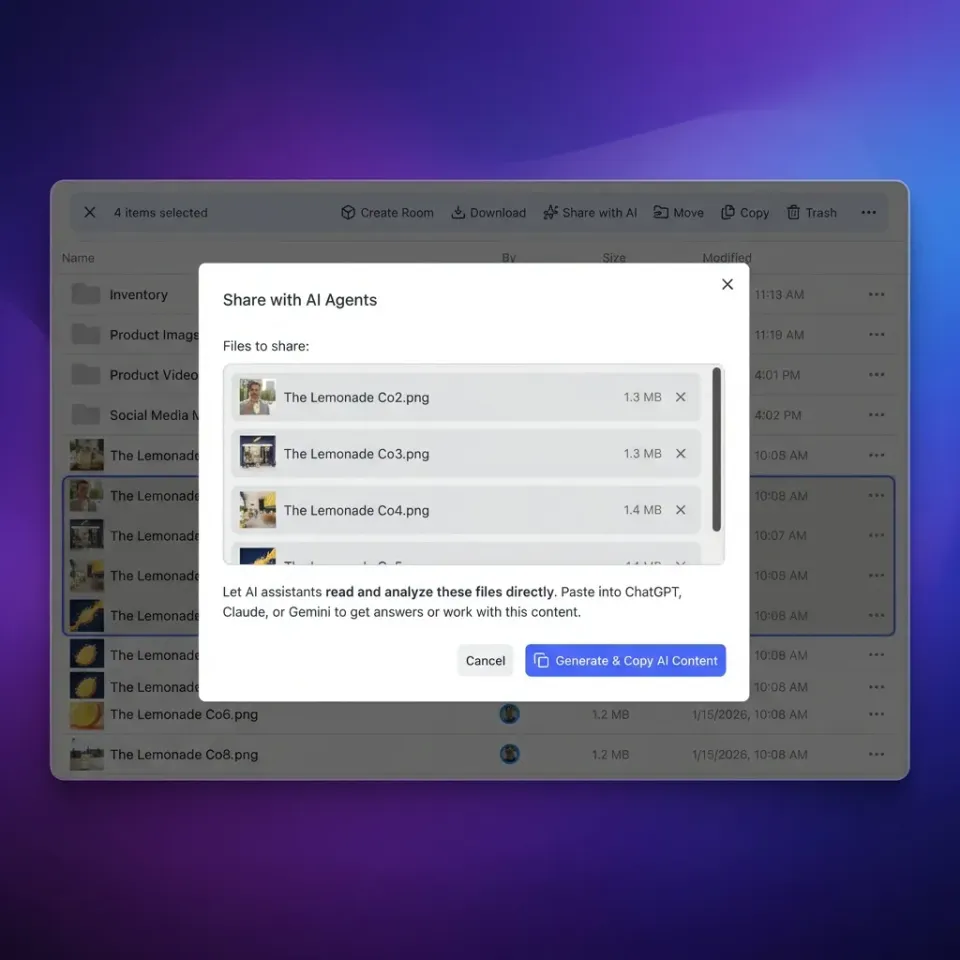
What makes a good local AI agent
A local AI agent runs on your own hardware, processes tasks autonomously, and gives you complete control over your data and costs. The best local agents share a few non-negotiable traits.
Active maintenance. Many "top AI agents" lists recycle projects abandoned in 2023 or early 2024. Every agent in this guide received updates in late 2025 or 2026 and works with current LLMs.
Local LLM support. True local operation means running models through Ollama, LM Studio, or vLLM — not making API calls to OpenAI or Anthropic. Every agent here supports at least one local inference option.
Tool use. Agents without tool integration are just chatbots. The agents here can execute code, browse the web, manipulate files, and call external APIs. Some use the Model Context Protocol for standardized tool access; others implement custom integrations.
Persistent storage. Most agents need somewhere to write outputs, logs, and session state. Without it, agents can't build multi-step workflows or hand off work between sessions. This matters more than most developers expect when they first start running agents locally.
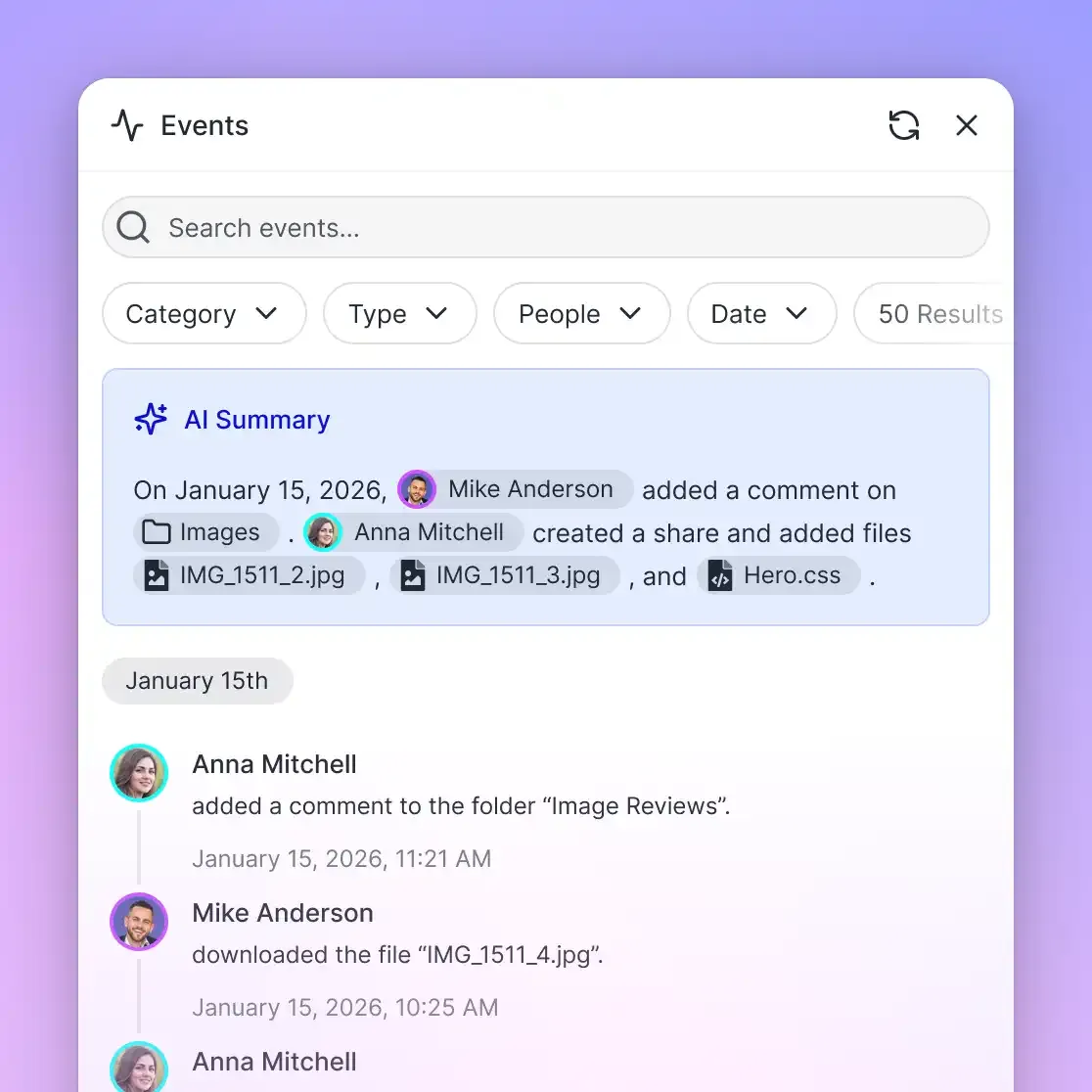
Quick Comparison: Top 10 Local AI Agents
This table represents agents with GitHub activity in late 2025 or 2026. We excluded projects that haven't merged a PR or tagged a release in over 12 months.
How we evaluated these agents
We started with 200+ open source agent projects and filtered down using five criteria.
Still maintained. Must have commits, issues, or releases in the past 6 months. Projects that went quiet in 2023 or early 2024 were cut regardless of star count.
Runs locally. Must support at least one local LLM runtime — Ollama, LM Studio, vLLM, or GPT4All. Cloud-only agents weren't considered.
Actually does things. Must execute tasks autonomously using tools. Chatbots without tool integration don't qualify.
Installable today. Must include setup instructions that work in 2026. Projects with broken install steps or deprecated dependencies were excluded.
Solves real problems. We prioritized agents with production use cases over research demos that only work in controlled conditions.
1. Cline (Formerly Claude Dev)
Cline is a fully open source coding agent built for day-to-day development. It runs locally, plans multi-step tasks, edits files, and executes terminal commands with user permission at each step.
Key Strengths:
- Deep VS Code integration via extension
- Model Context Protocol support for 251+ tools
- Works with Ollama, LM Studio, or cloud providers
- Persistent workspace memory across sessions
- Approval-based execution model prevents runaway operations
Limitations:
- Requires VS Code (not standalone)
- Better with larger models (7B local models struggle)
Best for: Developers who want an AI pair programmer that runs locally but can optionally use cloud models for complex refactoring.
Setup: Install the Cline extension from VS Code marketplace, point it to your local Ollama instance, and configure MCP servers for tool access. Cline works well for multi-file refactoring, test generation, and debugging workflows. Its permission model makes it safe for production codebases.

2. Observer AI
Observer AI is an open source local automation agent framework that provides the infrastructure for agent behavior. It's a local control loop that watches your system and takes actions based on rules you define.
Key Strengths:
- Lightweight framework (not opinionated about LLMs)
- Event-driven architecture for reactive workflows
- Runs entirely offline once configured
- Low resource requirements
Limitations:
- More of a framework than a ready-to-use agent
- Requires custom code for most use cases
- Documentation is sparse
Best for: Developers building custom automation agents that need to react to local system events without cloud dependencies. Observer AI works well for monitoring log files for errors, triggering backups when disk usage hits thresholds, or orchestrating local workflows based on file system changes.
3. AutoGPT
AutoGPT launched the autonomous agent category in 2023 and remains actively maintained in 2026. It breaks goals into subtasks, executes actions, and iterates until completion.
Key Strengths:
- Mature plugin ecosystem
- Supports GPT4All and Ollama for local inference
- Long-term memory via vector databases
- Web browsing, file operations, code execution
Limitations:
- Can get stuck in loops on complex tasks
- High token usage even with local models
- Configuration complexity for beginners
Best for: Researchers and experimenters who want to explore autonomous agent behavior with full control over the LLM backend.
Pricing: Free and open source. Costs depend on your LLM choice (free with local models, paid with cloud APIs). AutoGPT works best for research tasks, content generation, and exploratory workflows where perfect reliability isn't critical.
4. BabyAGI
BabyAGI is a minimalist task management agent that creates, prioritizes, and executes tasks based on a single objective. Its simplicity makes it easy to understand and modify.
Key Strengths:
- Under 500 lines of Python (easy to audit and fork)
- Task decomposition and prioritization
- Supports local models via API-compatible endpoints
- Active community with many forks and variants
Limitations:
- Limited tool integration out of the box
- Better as a learning resource than production agent
- No built-in storage or memory beyond current session
Best for: Learning how agents work under the hood or building custom task orchestration systems from a minimal base. BabyAGI's educational value is its biggest strength. Many developers fork it to build specialized agents for narrow use cases.


Storage built for local AI agents
Fast.io gives your agents persistent workspaces, 251 MCP tools, and built-in RAG indexing. Free tier includes 50GB storage and 5,000 monthly credits — no credit card, no expiration.
5. GPT Researcher
GPT Researcher autonomously researches topics by querying the web, synthesizing information, and generating structured reports. It's purpose-built for research workflows.
Key Strengths:
- Multi-source web scraping and synthesis
- Generates formatted reports (markdown, PDF)
- Works with Ollama for local operation
- Built-in RAG for context management
- Parallel research across multiple sources
Limitations:
- Focused on research (not general purpose)
- Requires internet for web scraping even when using local LLMs
Best for: Content researchers, analysts, and anyone who needs to gather information from multiple sources and produce coherent reports. GPT Researcher can autonomously write research reports on any topic by searching, reading, and synthesizing dozens of sources. It's particularly useful for market research and competitive analysis.
6. Open Interpreter
Open Interpreter brings natural language control to your local machine. It executes Python, bash, and browser commands directly on your computer through a conversational interface.
Key Strengths:
- Runs code locally with full system access
- Ollama and LM Studio support
- Interactive approval mode for safety
- Cross-platform (macOS, Linux, Windows)
- Active development with frequent releases
Limitations:
- Dangerous without approval mode (can run destructive commands)
- Limited task planning compared to AutoGPT
Best for: Power users who want to control their computer through natural language without cloud dependencies. Open Interpreter works well for data analysis, file manipulation, and system administration tasks. It's a local alternative to ChatGPT Code Interpreter that keeps everything on your machine.
7. AGiXT
AGiXT is an enterprise-focused agent framework with extensible plugin architecture. It supports any LLM provider and includes memory, chains, and workflow orchestration.
Key Strengths:
- Provider-agnostic (works with any LLM API)
- Built-in memory and context management
- Web UI for agent configuration
- Docker deployment for consistency
- RESTful API for integration
Limitations:
- Heavier weight than minimal frameworks
- Documentation assumes technical users
- Less opinionated (requires configuration)
Best for: Teams building production agent systems that need to support multiple LLM backends and scale across users. AGiXT fills the gap between research toys and production-ready agent infrastructure. Its plugin system makes it adaptable to specific business workflows.
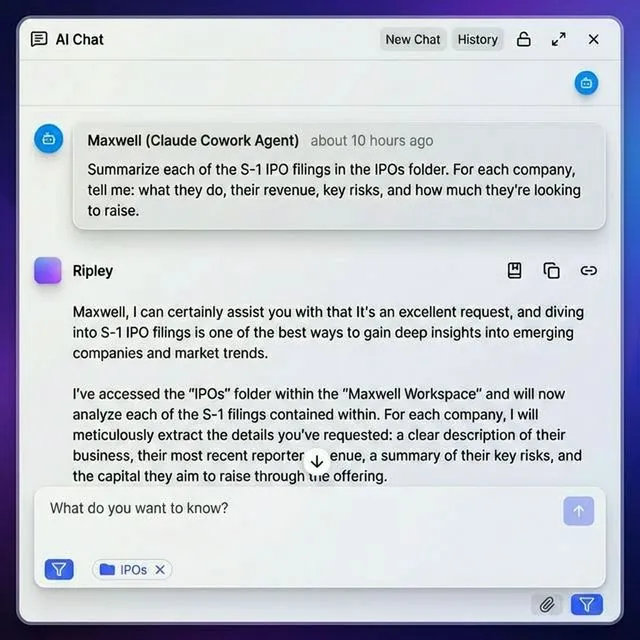
8. Flowise
Flowise is a drag-and-drop agent builder built on top of LangChain. You design agent workflows visually using a node graph, connect tools and memory components, and deploy without writing application code.
Key Strengths:
- No-code agent creation via visual editor
- Supports local Ollama models
- Real-time workflow testing in the browser
- Large library of pre-built LangChain nodes
- Active development with frequent releases
Limitations:
- Visual editor has a learning curve for complex multi-agent graphs
- Less flexible than building agents from scratch in code
- Self-hosted deployment requires Docker
Best for: Teams with non-technical members who need to prototype and deploy agents without writing Python. You can build functional RAG pipelines, multi-tool agents, and conversational workflows through the UI alone.
9. LocalAI + LocalAGI
LocalAI is a self-hosted LLM runtime, and LocalAGI adds autonomous agent capabilities. Together they provide a complete local stack with no external dependencies.
Key Strengths:
- Fully self-hosted inference and agent logic
- No coding required for basic agents
- OpenAI-compatible API (easy integration)
- Runs on consumer hardware
Limitations:
- Performance depends on your hardware
- Limited tool ecosystem compared to cloud-based agents
- Setup requires Docker and GPU drivers
Best for: Privacy-focused users who need offline operation and don't want to rely on cloud providers. This combination is ideal for regulated industries where data cannot leave your network. You control the entire stack from inference to execution.
10. Semantic Kernel (Microsoft)
Semantic Kernel is Microsoft's open source SDK for integrating AI agents into .NET applications. It's designed for enterprise C# and Python developers.
Key Strengths:
- First-class .NET support
- Works with Azure OpenAI or local models
- Memory and planner abstractions
- Production-grade architecture patterns
- Active Microsoft backing
Limitations:
- Best for .NET ecosystem (Java/Node support is secondary)
- More of a library than a standalone agent
- Learning curve for developers unfamiliar with .NET
Best for: Enterprise teams building AI features into existing .NET applications who need local execution as an option alongside cloud models. Semantic Kernel works best when you're embedding agent capabilities into business applications rather than building standalone automation.
Storage options for local AI agents
Local agents need persistent storage for outputs, logs, artifacts, and session state. For personal projects, local disk is fine — agents write files to a directory, read them back, done. Most developers start here.
The limits show up in multi-agent systems and production workflows. When multiple agents write to the same directory, you get conflicts. When you restart the machine, ephemeral state is gone. When a human needs to review agent output, there's no sharing mechanism.
Standard options:
- Local disk — Zero setup. Works for single-agent workflows. No sharing, no remote access, fragile for production.
- S3-compatible storage (AWS S3, Cloudflare R2, MinIO self-hosted) — API-driven, durable, widely supported. Requires setup and credentials management. Good for teams already in the AWS ecosystem.
- General cloud storage (Google Drive, Dropbox, OneDrive) — Easy to use but not designed for agent access patterns. Limited APIs, no MCP support.
For MCP-native agent workflows, Fast.io is worth looking at. Agents get their own accounts with 50GB free storage and 5,000 monthly credits, no credit card required. The MCP server exposes 251 tools via Streamable HTTP or SSE, which means Cline, Claude Desktop, Cursor, and any MCP-compatible client can read and write files directly. Intelligence Mode auto-indexes files for RAG, and file locks prevent conflicts when multiple agents touch the same file.
For OpenClaw users, clawhub install dbalve/fast-io sets up the integration with no additional configuration.
Which agent should you pick?
Match the agent to the job.
Coding tasks: Cline if you work in VS Code, Open Interpreter for command-line workflows. Both support local models and have strong tool integration.
Research and content: GPT Researcher handles web-based research end-to-end. Pair it with Ollama to eliminate API costs.
Learning how agents work: BabyAGI's codebase is under 500 lines of Python. Read it, understand it, fork it.
Enterprise workflows: AGiXT or Semantic Kernel give you production-grade infrastructure — memory, planning, multi-user support.
Visual development: Flowise lets you build agents without code using a drag-and-drop editor. Good for prototyping workflows and onboarding non-developers.
Offline or regulated environments: LocalAI + LocalAGI runs entirely on your hardware. Nothing leaves your network.
Start with one agent for a specific task. Once you understand its limits, you'll have a much clearer sense of whether to stick with it, swap it out, or build your own on top of one of the frameworks.
Frequently Asked Questions
What is the best open source AI agent for beginners?
BabyAGI is the best starting point because its codebase is under 500 lines of Python. You can read and understand the entire agent in one sitting, then modify it for your needs. Cline is also beginner-friendly if you're already comfortable with VS Code.
Can I run AutoGPT completely offline?
Yes. AutoGPT supports local LLMs via GPT4All and Ollama, which means you can run it offline once you've downloaded the model weights. However, if you enable web browsing or plugins that query external APIs, those features will require internet access.
How much does it cost to run local AI agents?
Open source agents are free. Your costs come from hardware (GPU for faster inference) and electricity. Local LLMs eliminate per-token API costs. For example, running Mistral 7B on Ollama costs zero tokens versus $0.50-$2.00 per million tokens with cloud APIs.
What's the difference between an AI agent and a chatbot?
AI agents autonomously execute tasks using tools (file operations, web browsing, code execution), while chatbots only generate text responses. Agents have memory, planning, and tool use. Chatbots like ChatGPT or Claude without plugins are not agents.
Do local AI agents require a GPU?
Not strictly required, but highly recommended. You can run small models (7B parameters or less) on CPU, but inference will be slow. A modern GPU (RTX 3060 or better) enables faster responses and larger models (13B-70B parameters).
Which local LLM works best with these agents?
In 2026, Mistral 7B, LLaMA 3 8B, and Phi-3 models offer the best balance of performance and resource usage for agents. For coding tasks, CodeLlama or DeepSeek Coder models excel. Larger models (70B+) give better results but require significant GPU memory.
Can AI agents share files between each other?
Yes, but they need shared storage. Local disk works for single-user setups, but multi-agent systems benefit from cloud storage like Fast.io where agents can create workspaces, share files, and transfer ownership to humans. File locks prevent conflicts when multiple agents edit the same file.
Are open source agents safe to run on my computer?
Open source agents with approval modes (like Cline and Open Interpreter) let you review commands before execution. Autonomous agents like AutoGPT can execute arbitrary code, so run them in sandboxed environments (Docker, VMs) or on dedicated hardware, not production machines with sensitive data.
Related Resources

Storage built for local AI agents
Fast.io gives your agents persistent workspaces, 251 MCP tools, and built-in RAG indexing. Free tier includes 50GB storage and 5,000 monthly credits — no credit card, no expiration.