How to Implement Secure File Locks for Multi-Agent Systems
File locks in multi-agent systems keep AI agents from overwriting each other's files. Race conditions happen when two agents read the same file, edit copies separately, and write back. The later write overwrites the first changes. Fast.io's API and MCP tools let agents acquire and release locks. Automatic timeouts free locks from failed agents. This approach makes collaboration safe in production.
What Are Secure File Locks?
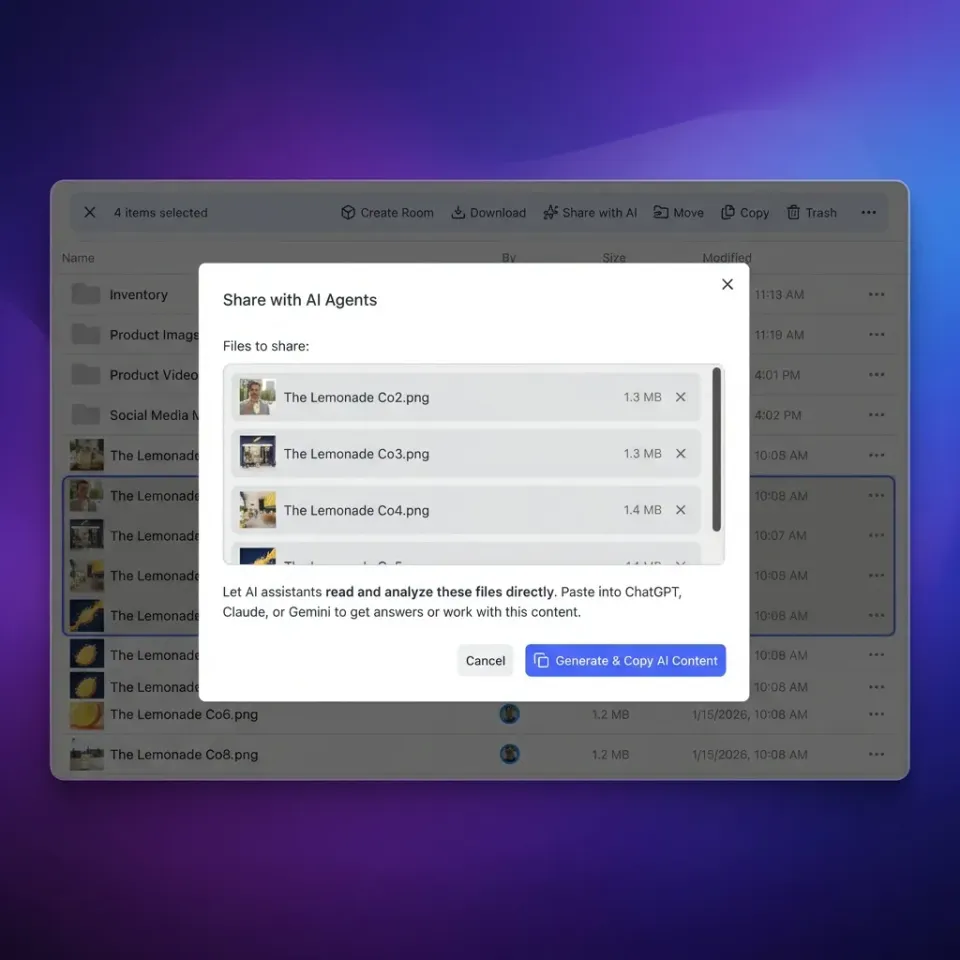
File locks control access when multiple agents share a file. An agent requests a lock before editing. If the lock is free, that agent gets exclusive access. Others must wait or pick another file.
Locks support shared and exclusive modes. Shared locks allow multiple agents to read at the same time but block writes. Exclusive locks give one agent full read/write access and block all others.
This setup enables parallel reads with protected writes. Without locks, race conditions occur. For example, Agent A reads a file. Agent B reads the same file. Both make changes to their copies. Agent B writes first. Agent A then overwrites B's work. Locks serialize writes to avoid this.
See also: Fast.io Workspaces, Fast.io Collaboration, Fast.io AI.
Agent teams rely on locks for data pipelines. One agent locks a dataset, adds scraped data, then releases the lock. The next agent waits its turn for analysis. Set timeouts based on task length: short ones for quick jobs, longer for heavy processing. This reduces data errors and manual fixes.
Practical execution note for secure file locks multi agent: define a baseline process, assign ownership, and document fallback behavior when dependencies fail. Run a pilot with a small team, collect concrete metrics, and compare throughput, error rate, and review time before broad rollout. After rollout, keep a living checklist so future contributors can repeat the workflow without re-learning critical constraints.
Why File Locks Matter for Multi-Agent Systems
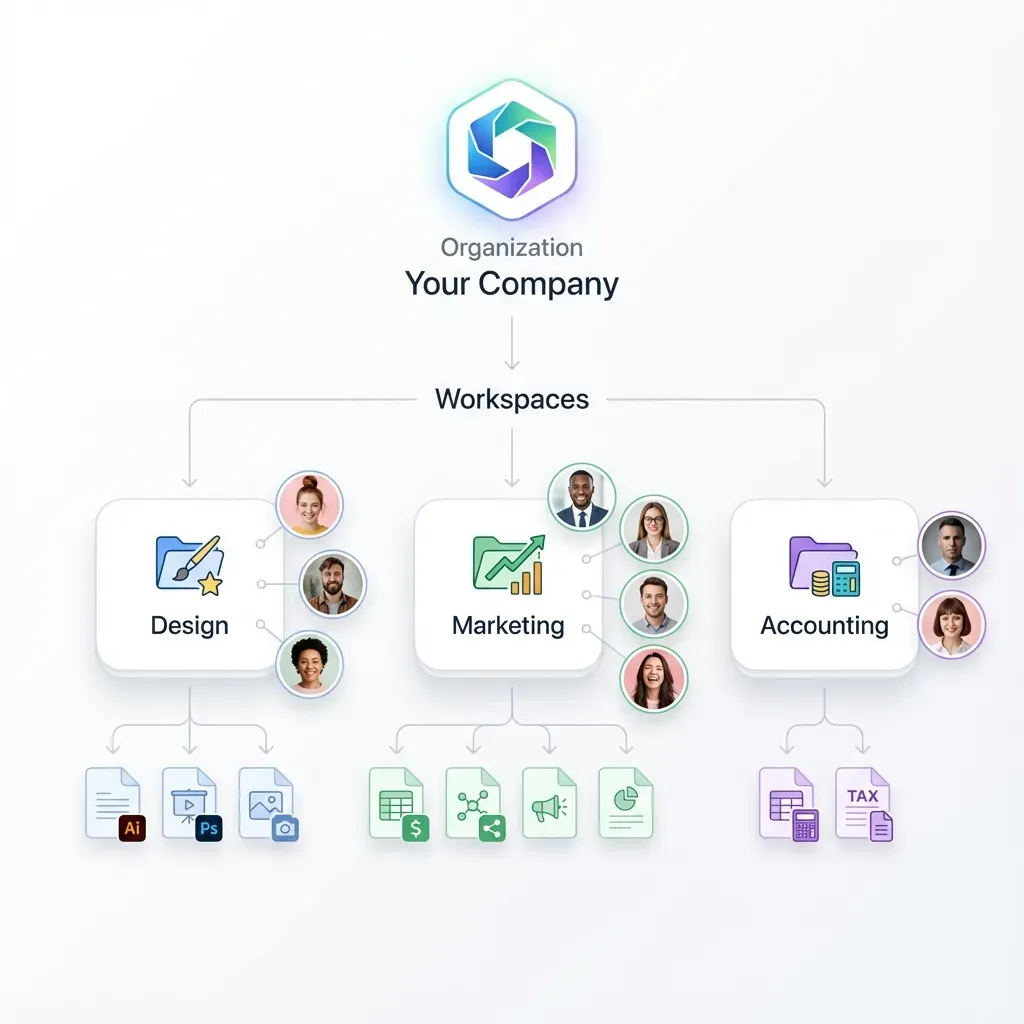
A single agent handles files one by one, so no locks are needed. Multiple agents work in parallel across servers or LLMs.
Things fall out of sync without coordination. One agent summarizes documents. Another extracts tables. Their writes collide.
Changes get lost. Files corrupt from overwrites or crashes.
Production jobs with client data need reliability. Locks preserve file integrity.
Practical execution note for secure file locks multi agent: define a baseline process, assign ownership, and document fallback behavior when dependencies fail. Run a pilot with a small team, collect concrete metrics, and compare throughput, error rate, and review time before broad rollout. After rollout, keep a living checklist so future contributors can repeat the workflow without re-learning critical constraints.
Common File Locking Mechanisms
OS locks: Unix fcntl/flock advisory, Windows LockFileEx mandatory byte-range. Distributed: central lock service tracks and grants. Pessimistic, lock early, hold through compute. Optimistic, work free, check version on write, retry conflicts. Fast.io server-side locks via API. Workspace-wide, all agents see status.
Practical execution note for secure file locks multi agent: define a baseline process, assign ownership, and document fallback behavior when dependencies fail. Run a pilot with a small team, collect concrete metrics, and compare throughput, error rate, and review time before broad rollout. After rollout, keep a living checklist so future contributors can repeat the workflow without re-learning critical constraints.

Pessimistic vs Optimistic Locking
Pessimistic locking works for short tasks. An agent locks the file, edits it, and releases quickly. Other agents wait less.
Optimistic locking suits longer jobs. Agents edit copies without an upfront lock. They check the file version before writing and retry if there's a conflict.
Choose based on conflict likelihood. Use pessimistic when conflicts are common, optimistic when rare.
How Fast.io File Locks Work
Fast.io workspaces provide native locks for agents via REST or MCP.
Lock: POST /v1/storage/nodes/{node_id}/lock {mode: read/write, timeout}. Returns token.
Example:
curl -X POST https://api.fast.io/v1/storage/nodes/f3jm5-zqzfx-pxdr2-dx8z5-bvnb3-rpjfm4/lock \
  -H "Authorization: Bearer {token}" \
  -d '{"mode": "write", "timeout": 300}'
Unlock: DELETE /v1/storage/nodes/{node_id}/lock/{token}.
Auto-timeout on crash. GET status.
MCP: lock_file, unlock_file, check_lock_status, list_locks. Streamable HTTP/SSE, Durable Objects state.
For reports, lock the template before adding charts. This creates clean PDFs. No nesting needed. Locks acquire fast.
Practical execution note for secure file locks multi agent: define a baseline process, assign ownership, and document fallback behavior when dependencies fail. Run a pilot with a small team, collect concrete metrics, and compare throughput, error rate, and review time before broad rollout. After rollout, keep a living checklist so future contributors can repeat the workflow without re-learning critical constraints.
Step-by-Step Implementation Guide
Sign up for the free agent tier. It includes storage, workspaces, and credits. No credit card needed.
Create a workspace with API or MCP create_workspace.
Upload files in chunks.
Edit flow: lock_file, read/process/write, unlock_file.
For failures: retry with backoff, skip, or queue.
Webhooks notify on unlock.
Test for conflicts.
Start small. Validate metrics. Scale up.
Practical execution note for secure file locks multi agent: define a baseline process, assign ownership, and document fallback behavior when dependencies fail. Run a pilot with a small team, collect concrete metrics, and compare throughput, error rate, and review time before broad rollout. After rollout, keep a living checklist so future contributors can repeat the workflow without re-learning critical constraints.
MCP Tool Example
{
  "tool": "storage",
  "action": "lock_file",
  "params": {
    "workspace_id": "ws_123",
    "node_id": "file_abc",
    "mode": "write"
  }
}
Response includes lock_id.
Best Practices and Troubleshooting
Lock late, release early.
Timeouts: 30s for metadata, 5min for datasets/reports.
Log attempts. Monitor wait times.
Use read locks for reads.
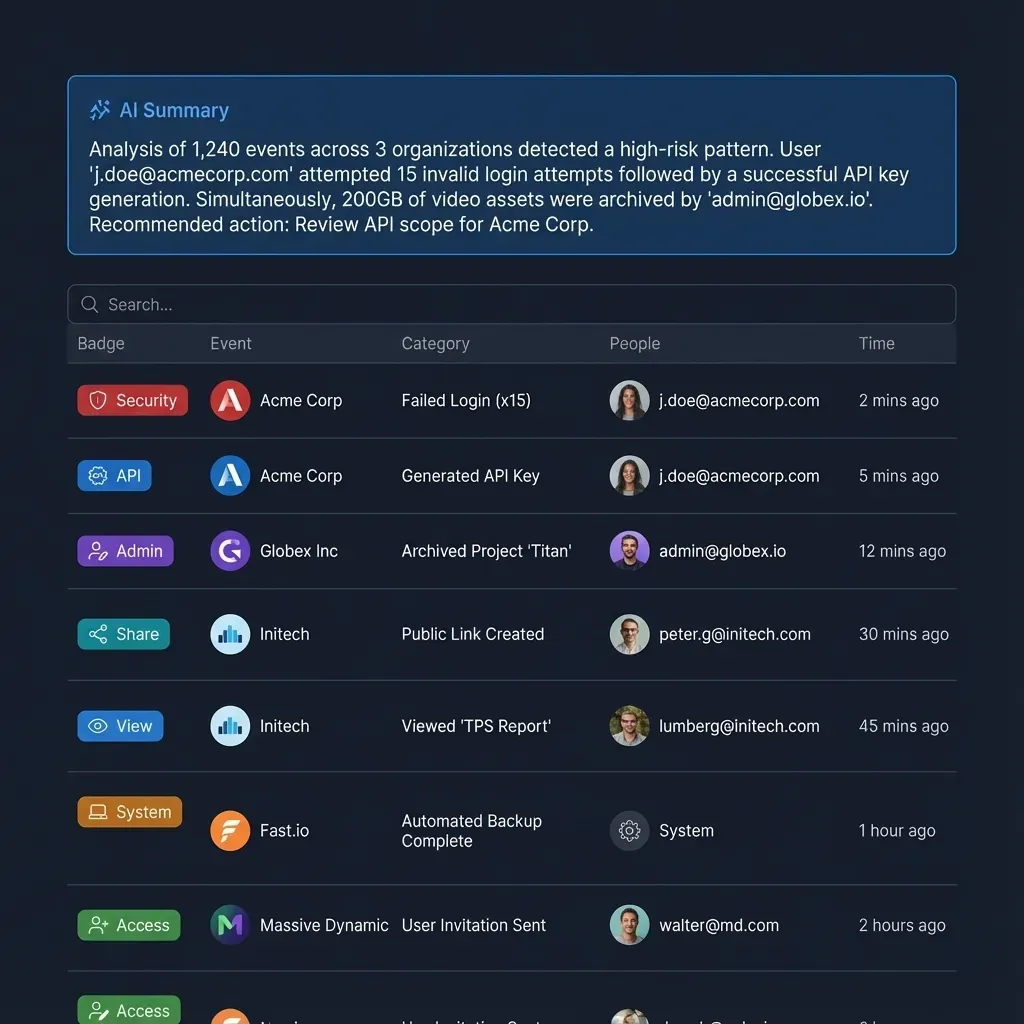
Audit logs track everything.
Avoid deadlocks: lock files in consistent order.
Timeouts clear stale locks.
For high traffic: split files or use queues.
Add one practical example, one implementation constraint, and one measurable outcome so the section is concrete and useful for execution.
Teams should validate this approach in a small test path first, then standardize it across environments once metrics and outcomes are stable.
Document decisions, ownership, and rollback steps so implementation remains repeatable as the workflow scales.
Frequently Asked Questions
What are multi-agent file locks?
Multi-agent file locks prevent concurrent modifications by AI agents to shared files. Agents acquire exclusive access before writing, ensuring data integrity.
How do you prevent agent file conflicts?
Implement locking before writes. Use pessimistic locks for safety or optimistic for performance. Fast.io API/MCP tools handle this natively.
Does Fast.io support file locks for agents?
Yes. Acquire/release via REST or multiple MCP tools. Supports read/write modes, timeouts, distributed coordination.
What if lock acquisition fails?
Retry with exponential backoff. Check status endpoint. Fall back to new file or queue task.
How do locks handle agent crashes?
Automatic timeouts release stale locks. No permanent blocks.
Can multiple agents read locked files?
Yes, read locks allow concurrent reads during exclusive writes.
Related Resources

Protect Multi-Agent Workflows Now
Fast.io file locks provide safe concurrent access. Free agent tier: 50GB storage, 5000 credits/month, no credit card. 251 MCP tools ready for secure multi-agent workflows. Built for secure file locks multi agent workflows.