Best Resilio Sync Alternatives for 2025: Speed, Security, and Simplicity
Resilio Sync works well for local network transfers, but the always-on device requirement and complex setup frustrate many teams. This guide walks through the best alternatives, from cloud-native platforms like Fast.io to self-hosted options like Nextcloud, so you can find the right fit for your workflow. This guide covers resilio sync alternative with practical examples.
Why Teams Are Moving Away from Resilio Sync: resilio sync alternative
Resilio Sync uses BitTorrent technology to transfer files directly between devices. For local network transfers, this approach is fast. Files move between computers without touching any external servers. Privacy-conscious users appreciate that their data never leaves their own hardware. But Resilio's strengths become weaknesses for growing teams. The fundamental problem is the always-on requirement. If the computer holding the source files is off, sleeping, or disconnected, nobody can access those files. This creates a single point of failure that gets worse as teams grow and work across different time zones. Your London office cannot grab files at 2 PM if the Los Angeles computer holding them is asleep at 6 AM. Network configuration adds another layer of friction. Syncing files outside your local network requires port forwarding, firewall adjustments, and sometimes Dynamic DNS setup. For IT teams, this means more support tickets and security concerns. For smaller teams without dedicated IT, it often means giving up on external access entirely. The standard Resilio Sync license also lacks the centralized management features that businesses need. You cannot see what files exist across all connected devices without physically checking each one. User permissions are basic. There is no single dashboard showing team activity or storage usage. Resilio does offer a Business version with more features, but at that price point, cloud-native alternatives often make more sense. The P2P architecture also struggles with version control. When the same file changes on multiple devices before they sync, you end up with conflict copies. Files named Project_Final_v2_conflicted_copy pile up in your folders. Someone has to manually reconcile these conflicts, which wastes time and risks losing work.
Helpful references: Fast.io Workspaces, Fast.io Collaboration, and Fast.io AI.
Fast.io: Cloud-Native Speed Without the Headaches
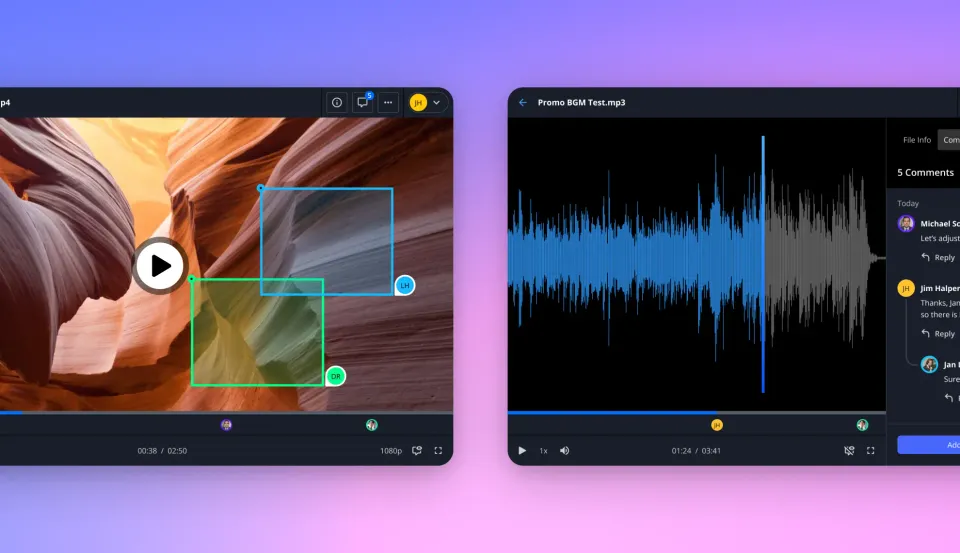
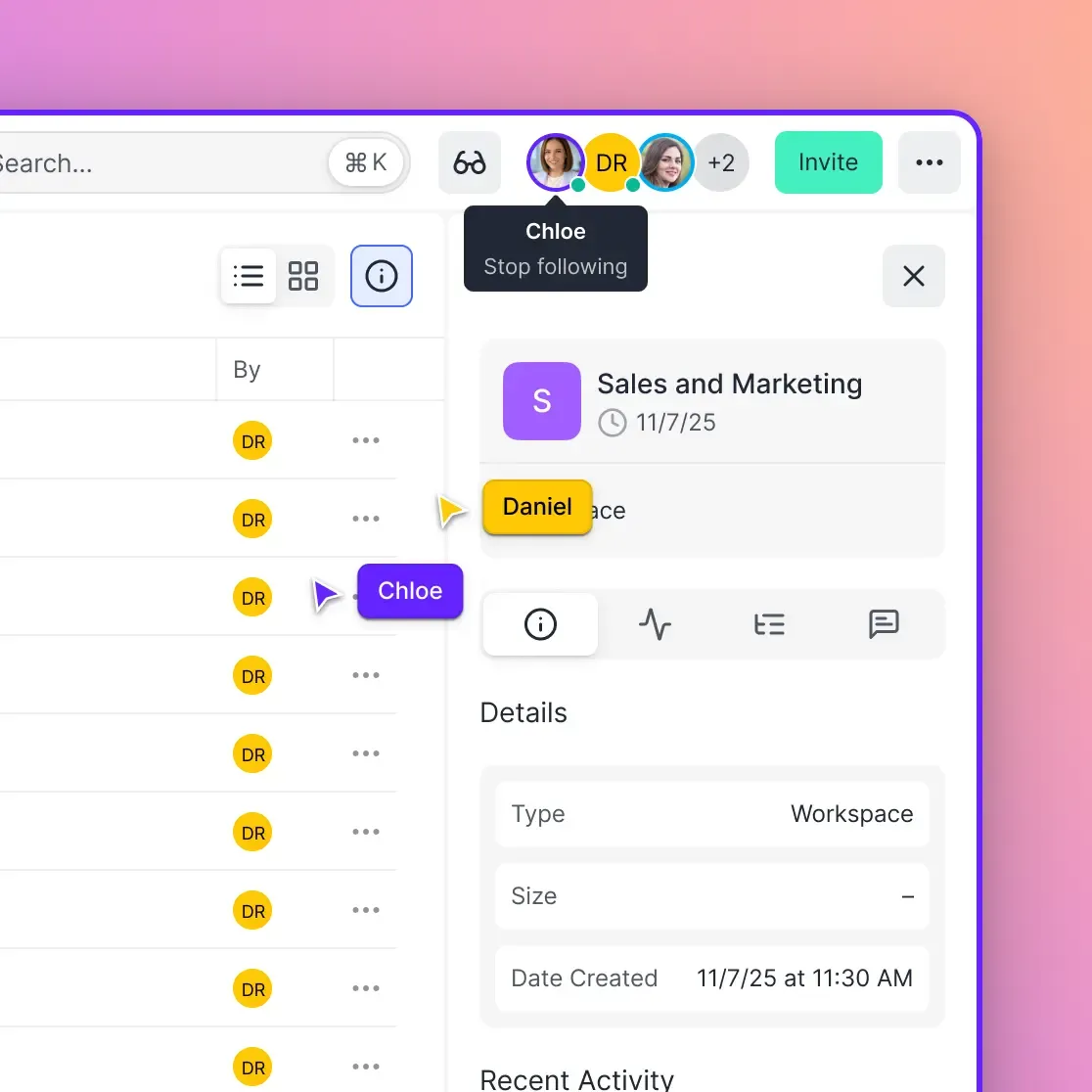
Fast.io takes a different approach to the file sharing problem. Instead of syncing files between devices, it gives everyone access to a single source of truth in the cloud. Your files live in connected cloud storage, whether that is Google Drive, Dropbox, OneDrive, or your own S3 bucket. Fast.io then provides a fast, organized interface for your team to access and share those files. The always-on problem disappears completely. Files remain accessible 24/7 because they live in cloud infrastructure with redundancy built in. Your computer can sleep, your office can lose power, your laptop can stay at home. Everyone on the team can still get the files they need. Sync conflicts also become a non-issue. There is nothing to sync. Instead of copying files to every device and hoping they reconcile, everyone works from the same cloud source. When you edit a file, the changes are immediate and visible to everyone. No more "wait, which version are you looking at?" conversations. Fast.io connects to your existing cloud storage rather than replacing it. If your team already has files scattered across Google Drive and Dropbox, you do not need to migrate everything to a new platform. Fast.io unifies that storage into a single workspace view. You get a coherent folder structure and search experience across all your connected sources. The pricing model works differently too. Instead of paying per user like Dropbox or Box, Fast.io uses a usage-based approach. The Pro plan includes 25 seats, Business includes 100 seats, and extra seats cost just published pricing each. For a 25-person team, that can mean savings of 70% or more compared to traditional per-seat pricing.



Run Resilio Sync Alternatives For 2025 Speed Security And Simplicity workflows on Fast.io
Stop worrying about always-on devices and sync conflicts. Fast.io gives your team cloud-native file sharing with the speed you need and the simplicity you deserve.
Syncthing: The Open Source P2P Option
If you want the P2P experience without paying for Resilio Sync, Syncthing is the closest free alternative. It is open source, actively maintained, and handles direct device-to-device syncing with end-to-end encryption. Your data never touches any third-party servers, which appeals to users who prioritize privacy above all else. Syncthing works across Windows, macOS, Linux, Android, and through Docker containers. The community has also built unofficial iOS apps. The web interface lets you manage connections and monitor sync status from a browser. For technically comfortable users, setup takes about 15-20 minutes per device. The limitations mirror Resilio's weaknesses. Devices must be online simultaneously to sync. If you need a file from your home desktop while traveling, that desktop must be powered on and connected. There is no centralized file access point. Conflict resolution is manual. Large syncs can saturate upload bandwidth on residential internet connections. Syncthing also lacks enterprise features entirely. There is no admin console, no user management, no audit logging. For personal use or small technical teams, this is fine. For businesses with compliance requirements or non-technical users, the missing management layer becomes a dealbreaker. The documentation is solid but assumes technical knowledge. Terms like "Device ID," "Folder ID," and "Global Discovery" appear throughout. If you are comfortable editing configuration files and reading logs, Syncthing is an excellent tool. If you want something you can hand to a marketing team and walk away, look elsewhere.
Best For
Privacy-focused individuals, developers, and small technical teams who prefer open source software and have the skills to manage their own infrastructure. Not recommended for non-technical users or businesses needing centralized management.
Nextcloud: Self-Hosted Collaboration Platform
Nextcloud goes far beyond file syncing. It is a full productivity suite that you host on your own servers, combining file storage, video conferencing, calendar, contacts, document editing, and project management. Think of it as a self-hosted alternative to Google Workspace or Microsoft 365. The file syncing component works well. Desktop clients for Windows, macOS, and Linux keep local folders synchronized with your Nextcloud server. Mobile apps provide access on the go. Files are available even when the server is offline because local copies exist on synced devices. This hybrid approach avoids some of the always-on problems that pure P2P solutions face. But Nextcloud shifts the infrastructure burden onto you. Someone has to provision the server, configure the web server, set up the database, handle SSL certificates, manage backups, and apply security updates. For organizations with dedicated IT staff, this provides total control over your data. For teams without server administration expertise, the overhead is substantial. Performance depends heavily on your server setup. A Nextcloud instance on a fast dedicated server with NVMe storage will feel snappy. The same instance on a cheap VPS with a slow disk will frustrate users. Configuring caching, optimizing PHP, and tuning the database all require ongoing attention. The ecosystem of apps extends Nextcloud's functionality . You can add two-factor authentication, antivirus scanning, full-text search, and integrations with external storage. The app store includes hundreds of community-contributed extensions. This flexibility comes at the cost of complexity. Each additional app is another thing to maintain and potentially troubleshoot.
Dropbox and Google Drive: The Mainstream Cloud Options
Dropbox and Google Drive are what most people think of when they hear "file sharing." They work. Setup takes minutes. Files sync reliably across devices. Mobile apps are polished. For basic document sharing among small teams, these platforms handle the job without drama. The problems emerge as teams grow and file sizes increase. Both platforms throttle uploads and downloads, especially for free accounts but also on paid plans during peak usage. A 10GB video file that would transfer in minutes over a local network might take hours through Dropbox or Drive. Teams working with video, CAD files, raw photos, or other large assets feel this friction daily. Pricing climbs quickly with user count. Dropbox charges per user, so a 25-person team on Business Plus pays over published pricing. Google Workspace follows the same per-user model. These costs make sense for platforms built around individual productivity, but they punish collaboration. Every contractor, client, or intern who needs access adds to your monthly bill. The folder organization model also shows its age. Both platforms started as personal storage tools and still feel that way. "My Drive" and shared drives coexist awkwardly. Files end up duplicated across personal folders. Finding where something lives often requires searching rather than browsing. Fast.io was built for team-first organization from the start, which changes how file management feels day to day. Video handling is another weak point compared to specialized platforms. Neither Dropbox nor Drive offers proper streaming for video files. You download the entire file before you can watch it, or you watch a compressed preview. For creative teams who need to review footage, this workflow wastes enormous amounts of time and bandwidth.
How to Choose the Right Alternative
The right choice depends on what frustrates you most about Resilio Sync and what you can trade away. No platform excels at everything, so understanding your priorities helps narrow the options. If the always-on device requirement is your main pain point, any cloud-based solution solves it. Fast.io, Dropbox, Google Drive, and even a self-hosted Nextcloud server all keep files accessible without depending on a specific user's computer being powered on. The question becomes which cloud approach fits your team best. If cost is the primary concern for your growing team, pricing models matter more than features. Per-seat pricing from Dropbox and Box gets expensive fast. Usage-based pricing from Fast.io scales better for larger teams. Self-hosted Nextcloud has no per-user fees but requires infrastructure investment. Syncthing is free but demands technical time. If privacy is paramount and you do not trust any external service with your data, self-hosted options make sense. Syncthing keeps everything on your devices. Nextcloud on your own servers keeps files in your control. The tradeoff is taking responsibility for security, backups, and availability yourself. If you handle large media files regularly, test video and large file performance before committing. Fast.io streams video through HLS like Netflix, so playback starts instantly. Traditional cloud storage requires downloading entire files first. P2P solutions depend on your internet upload speeds, which are often much slower than download speeds on residential connections. If your team includes non-technical users, ease of use trumps flexibility. Fast.io and the mainstream cloud platforms require no configuration beyond signing in. Syncthing and Nextcloud demand technical comfort. Picking a tool your team will not actually use is the worst outcome.
Migration Tips When Leaving Resilio Sync
Moving away from Resilio Sync involves more planning than switching between cloud platforms. Your files are not in one place. They are distributed across every device in your sync network. Before starting, inventory which devices have which folders synced and identify the most complete copy of each dataset. Start with one folder or project rather than migrating everything at once. Pick something active enough to test your new workflow but not critical enough to cause problems if the transition hits snags. Run both systems in parallel for a week while the team adjusts. Only disable Resilio Sync once everyone confirms the new platform works. If moving to Fast.io, you can connect existing cloud storage rather than uploading everything fresh. If your files already live in Google Drive, Dropbox, or OneDrive alongside your Resilio sync, connecting those sources to Fast.io is faster than re-uploading terabytes. The files stay where they are. Fast.io provides the unified access layer. For data currently only on local drives synced by Resilio, you will need to upload to your new platform. Prioritize by access frequency. Move active project files first and leave archives for later. Most teams find that 80% of their access goes to 20% of their files. Get that 20% migrated quickly so daily work can continue. Document your Resilio folder structure before dismantling it. Screenshot the sync configuration on each device. Note which folders are shared with which users. This reference helps recreate your permission structure on the new platform and ensures nothing falls through the cracks.
Frequently Asked Questions
Is Resilio Sync more secure than cloud storage?
Resilio Sync keeps files on your devices without sending them through third-party servers, which can provide privacy benefits. But this shifts the security burden entirely to you. You must configure firewalls correctly, keep devices physically secure, and manage encryption keys. Cloud platforms like Fast.io handle infrastructure security, encryption at rest and in transit, and regular security audits. For most teams, managed security from a reputable provider is actually more secure than DIY security on consumer devices.
What is the fast way to share large files without Resilio Sync?
For occasional large file transfers, Fast.io provides fast upload speeds and lets recipients stream video or download files without waiting for full transfers. For repeated access to the same large files, a cloud-native platform eliminates repeated transfers entirely since everyone accesses the same cloud copy. P2P alternatives like Syncthing can be fast on local networks but depend on upload speeds when sharing externally, and residential internet typically has upload speeds much slower than download speeds.
Can I use Fast.io with my existing cloud storage accounts?
Yes. Fast.io connects to Google Drive, Dropbox, OneDrive, and Amazon S3. Your files stay where they are. Fast.io adds a unified workspace layer on top, giving you consistent organization, faster sharing, and better collaboration features without migrating your data to a new location. This approach also means you keep your existing backups and any integrations that depend on your current cloud storage.
How does Fast.io pricing compare to Resilio Sync Business?
Resilio Sync Business uses per-user pricing similar to Dropbox. Fast.io uses usage-based pricing, with the Pro plan including 25 seats and extra seats costing published pricing. For teams of 25 or more users, Fast.io typically costs 70% less than per-seat alternatives. The savings grow as your team scales since adding collaborators does not multiply your monthly costs.
Does Syncthing work on mobile devices?
Syncthing has an official Android app that works well. iOS support is limited to community-developed apps since Apple's restrictions make background sync difficult. For teams who need reliable mobile access to files, cloud-based alternatives provide a better experience than P2P tools that depend on devices being online simultaneously.
Related Resources

Run Resilio Sync Alternatives For 2025 Speed Security And Simplicity workflows on Fast.io
Stop worrying about always-on devices and sync conflicts. Fast.io gives your team cloud-native file sharing with the speed you need and the simplicity you deserve.