How to Choose the Best iDrive Alternative for Your Team
iDrive is popular for personal device backup, but many teams outgrow its limited sharing and collaboration features. An iDrive alternative is a cloud backup or storage service that offers different pricing, features, or performance compared to iDrive's backup-focused platform. This guide breaks down when backup software makes sense, when active storage is the better choice, and how to evaluate options based on your actual workflow needs.
Why Teams Look for iDrive Alternatives
iDrive has built a solid reputation for personal backup. For $79.50/year, you get 10TB of storage and automatic backup across multiple devices. That's a good deal if your goal is disaster recovery for personal files. But here's what happens when teams try to use backup software for daily work: everything slows down. A design agency we spoke with spent two hours trying to share a 4GB project folder with a client through iDrive. The files had to be "restored" from backup before they could be shared, then the client needed to create an account, navigate the backup interface, and figure out which folder contained the final deliverables versus old versions. The core issue is the difference between cold storage and active storage. Backup software treats files as archives to preserve. Active storage treats files as living documents you work with every day. When you need to send a 50GB video to a client by end of day, or collaborate on design files across three time zones, backup software creates friction instead of eliminating it. Common triggers that push teams to look for alternatives:
- Slow restore speeds: Getting large files back can take far longer than uploading them. One video editor reported 6 hours to restore a 100GB project that took 45 minutes to backup.
- Limited sharing controls: Sharing files means navigating backup trees instead of generating simple, branded links. Recipients often get confused about where to find files.
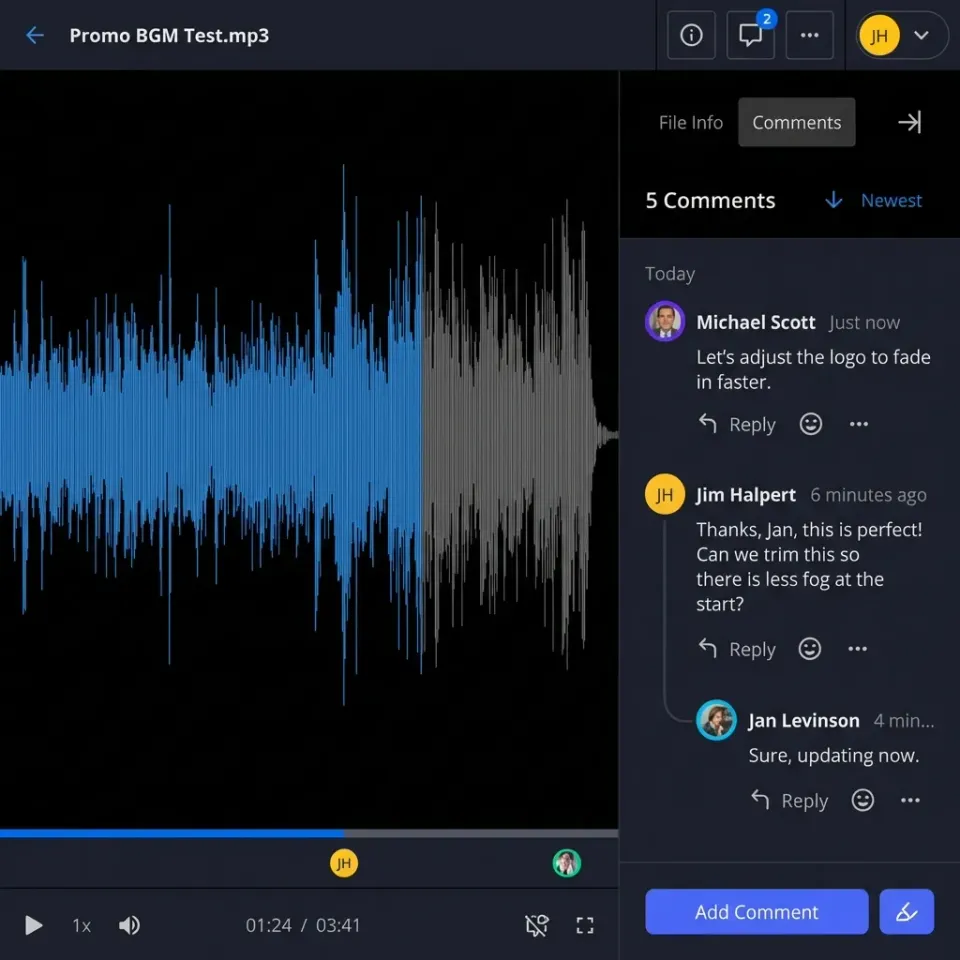
- No real-time collaboration: Backup software preserves file states; it does not enable team editing or review workflows.
- Interface friction: The UI works fine for IT administration but feels clunky for daily creative work. Non-technical team members struggle with concepts like "backup sets" and "restore points."
Helpful references: Fast.io Workspaces, Fast.io Collaboration, and Fast.io AI.
Backup Software vs Active Storage: Understanding the Difference
Before evaluating alternatives, it helps to understand what you actually need. Backup software and active storage solve different problems, and picking the wrong category means fighting against the tool instead of working with it.
Backup
Software (Cold Storage)
Backup tools like iDrive, Backblaze, and Carbonite run quietly in the background. They copy files from your local drives to remote servers, maintaining version history so you can restore files after hardware failure, ransomware, or accidental deletion. The emphasis is on preservation and recovery. Key characteristics:
- Files are copies of local originals
- Access is occasional (recovery scenarios)
- Speed matters less than reliability
- Pricing favors large storage amounts at low cost
Active Storage (Hot Storage)
Active storage platforms like Fast.io, Dropbox, and Box are designed for daily work. Files live in the cloud as the primary copy. Teams access, edit, share, and collaborate on these files regularly. The emphasis is on speed, accessibility, and collaboration. Key characteristics:
- Files are the primary working copy
- Access is frequent (multiple times per day)
- Speed directly impacts productivity
- Pricing often reflects collaboration features, not just storage volume
The Hybrid Reality
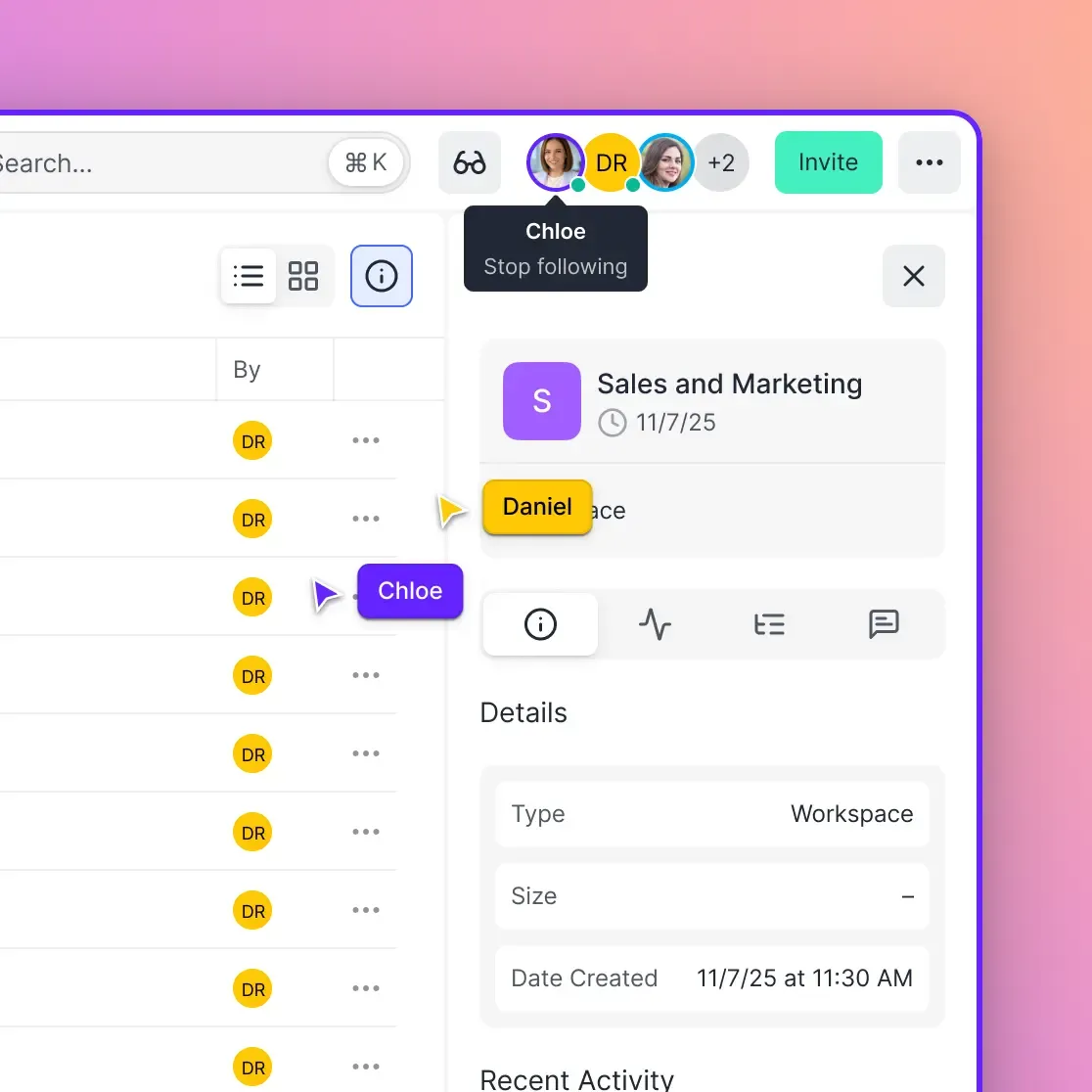
Most teams need both. Critical archives and system images belong in backup software. Active project files, client deliverables, and shared resources belong in active storage. Problems arise when teams try to use backup software for active work, or pay active storage prices for files they never touch. A practical split: use backup software for infrequently accessed files and active storage for everything else.
Top iDrive Alternatives by Use Case
The "best" alternative depends on what you are actually trying to accomplish. Here is how the major options stack up for different workflows.
For
Active Teams: Fast.io
If your goal is collaboration and fast file delivery, Fast.io replaces iDrive's storage model with a high-performance cloud engine built for "hot data," the files you are actively using, sharing, and editing. Files live in the cloud natively, so there is no backup-then-restore cycle when you need to share something. Fast.io uses a global edge network to deliver files. Downloads and uploads route to the nearest server, which means you actually use the bandwidth you are paying for instead of waiting for a single distant server. For a team in Los Angeles sharing files with a client in London, the difference is noticeable.
Best for: Creative agencies, video production, legal teams, marketing departments, and any business where files move frequently between internal teams and external partners.
Key advantage: Usage-based pricing means you pay for storage and bandwidth, not seats. A team of 50 people costs the same as a team of 5, assuming they use similar storage.
For
Pure Backup: Backblaze
If you want a "set it and forget it" backup for disaster recovery with no collaboration needs, Backblaze remains the industry standard for simplicity. Unlimited backup for a single computer at a flat rate, with straightforward restore options.
Best for: Individuals, freelancers, and small businesses that need computer backup without complexity.
Key advantage: True unlimited backup for one device. No storage caps, no tiered pricing, just protection.
For
Office Document Integration: OneDrive or Google Drive
If your work lives entirely in Word documents, Excel spreadsheets, and slide presentations, Microsoft or Google ecosystem integration is hard to beat. These platforms optimize for their own file formats and offer real-time co-editing within their productivity suites.
Best for: Corporate environments standardized on Office 365 or Google Workspace where most files are native documents.
Key advantage: Deep integration with productivity apps. Edit files without downloading, automatic saving, version history tied to editing sessions.


Start with idrive alternative on Fast.io
Switch to Fast.io for fast cloud storage and collaborative file sharing. Pay for what you use, not how many people you have.
Fast.io vs iDrive: Speed and Performance Comparison
Speed matters most for active workflows. When a client is waiting for a deliverable, you cannot wait for a backup server to "restore" a file before you can share it. Here is how the performance differs in practice.
File
Delivery Architecture
iDrive stores files in centralized data centers optimized for backup reliability. When you share a file, the recipient downloads from those same backup servers. Performance depends on their distance from the data center and current server load. Fast.io uses a global edge network similar to a CDN. Files replicate to edge locations around the world. When someone downloads a shared file, they pull from the nearest server. This architecture delivers faster download speeds for recipients in different geographic regions.
Video
Streaming vs Progressive Download
This is where backup software shows its limitations most . iDrive shared links require recipients to download video files completely before watching. Large video reviews require downloading the entire file before watching. Fast.io offers HLS streaming (the same adaptive bitrate technology Netflix uses). Recipients click a link and the video starts playing within seconds. The system automatically adjusts quality based on their connection speed. For video professionals, this means review cycles happen in hours instead of days. Video professionals report much faster client feedback turnaround by switching from backup-based sharing to HLS streaming. Clients stopped saying "I'll watch it tonight when I get home to better internet" because the streaming just worked on their office connection.
Upload
Performance
Backup software optimizes for continuous background uploads that do not disrupt your work. This means deliberately throttled speeds. Active storage platforms optimize for getting files uploaded as fast as your connection allows. Fast.io's uploader uses parallel chunked transfers. A large file uploads using multiple simultaneous connections, which better saturates high-bandwidth connections. The same files upload much faster on active storage.
Understanding Pricing Models: Per-Seat vs Usage-Based
iDrive's low initial price is appealing. But when evaluating alternatives, the pricing model matters as much as the sticker price. Many alternatives charge per-user licensing, which adds up fast as teams grow.
The
Per-Seat Problem
Dropbox, Box, and most enterprise storage solutions charge per user, per month. A team of 25 people on Dropbox at published pricing costs published pricing regardless of how much storage you actually use. Add a freelancer for a two-week project? Another seat. Onboard a new hire? Another seat. Give a client access to review files? Some platforms charge for that too. Per-seat pricing creates perverse incentives. Teams share accounts (security risk), limit who can access files (collaboration friction), or exclude external partners entirely (workflow disruption). The pricing model actively works against the collaboration the software is supposed to enable.
Usage-Based
Pricing
Fast.io uses a different model: you pay for the storage and bandwidth you consume, not the number of people using it.
No per-seat fees: The Pro plan includes 25 seats, Business includes 100 seats, and additional seats cost published pricing each. That is 70%+ savings compared to traditional per-seat platforms for most teams.
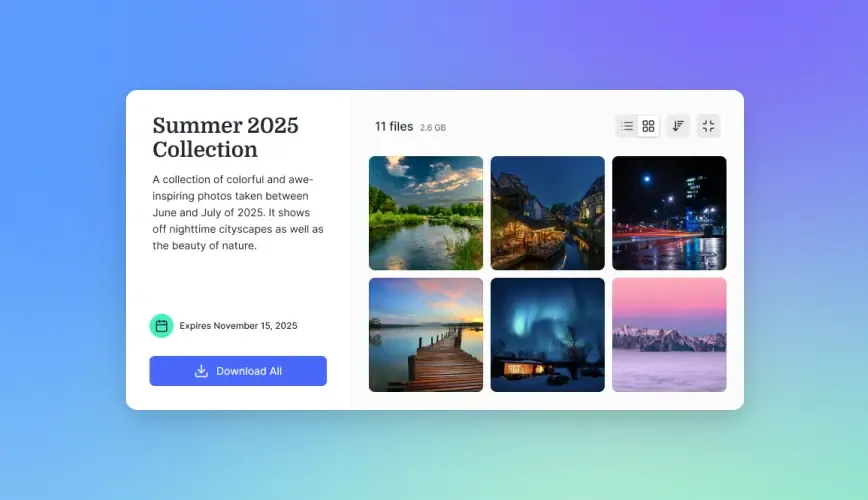
Unlimited external sharing: Share with clients, vendors, freelancers, and partners without paying extra or burning seats. Recipients do not need accounts.
Predictable scaling: Costs grow as your data grows, not because you hired someone new or added a contractor.
Calculating
Real Costs
Consider a marketing agency with 25 employees, 10 regular freelancers, and 50 active clients. On Dropbox at published pricing:
- 25 employees = published pricing
- Freelancer and client access = additional seats or workarounds
On Fast.io with 5TB of active storage:
- 25 employees + unlimited external users = approximately published pricing
- Same functionality, 87% cost reduction
The savings become more dramatic as team sizes grow. A 100-person company can easily see monthly savings of $1,500+ versus per-seat alternatives.

AI-Powered Search vs Traditional Folder Navigation
Backup services like iDrive preserve your folder structure exactly as it exists on your hard drive. Great for restoration, not great for finding things. If you do not remember where you saved a file six months ago, digging through a backup archive becomes an archaeology project. Traditional cloud storage improves this slightly with search by filename. But filenames like "final_v3_FINAL_revised.psd" or "IMG_4521.jpg" do not tell you much. Teams end up maintaining elaborate naming conventions that nobody follows consistently.
Semantic
Search: Find by Meaning
Fast.io connects your files to AI tools like Claude, ChatGPT, and Gemini. Instead of searching exact filenames, you search by meaning. Instead of clicking through Backup > C_Drive > Users > Docs > Projects > 2024 > Q3 > Clients > Acme, you type "contract with Acme from Q3" or "photos from the Austin site visit." The AI understands the content of your documents and media, returning relevant results regardless of where files are stored or what they are named. This transforms cloud storage from a filing cabinet into a searchable knowledge base. New team members can find files without learning years of organizational history. You can locate assets based on what you remember about them, not where you put them.
Smart
Summaries
AI integration goes beyond search. Fast.io generates automatic summaries of documents, video transcripts, and comment thread activity. When you open a workspace after being away, you can catch up on what changed without reading through every file and comment individually. For video files, AI generates searchable transcripts. Find the moment someone said "let's change the logo" in a 45-minute review call by searching for that phrase. No manual timestamps required.
Bridging
Files to AI Agents
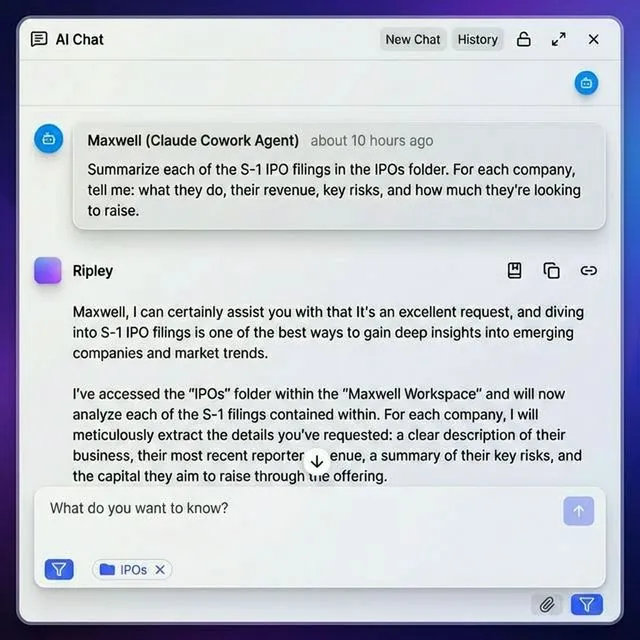
When working with AI assistants, the traditional workflow involves downloading files, uploading them to the AI tool, waiting for processing, then managing multiple copies. Fast.io lets you right-click any file to generate a temporary context link that AI agents can access directly. The file stays in one place; the AI reads it from there.

Security Considerations When Switching Platforms
Moving from backup software to active storage changes your security model. Files that lived on local drives with cloud copies now live in the cloud as the primary copy. This is not inherently less secure, but it requires different thinking.
Encryption and
Access Control
Fast.io encrypts files at rest and in transit, matching or exceeding the encryption standards of backup software. The difference is in access control granularity. Backup software typically has simple access: either someone can access the backup or they cannot. Active storage requires more detailed permissions because files are shared frequently. Fast.io offers granular permissions at the organization, workspace, folder, and file level. You can give a client view-only access to a specific folder without exposing other projects. You can allow downloads for some files but not others. You can set expiration dates on shared links.
Audit
Trails
For regulated industries or security-conscious organizations, knowing who accessed what matters. iDrive's audit capabilities focus on backup and restore operations. Fast.io tracks views, downloads, permission changes, logins, and more at each level of the hierarchy. The activity tracking extends to shared content. When you send a file to a client, you can see whether they viewed it, when, and from what device. Data rooms provide even more detailed analytics, showing exactly how long someone spent reviewing each page of a document.
SSO and
Authentication
Enterprise teams need single sign-on integration. Fast.io supports SSO/SAML with providers like Okta, Azure AD, and Google. Combined with multi-factor authentication, this gives IT departments the control they need while keeping access simple for users.
Data
Rooms for Sensitive Deals
For M&A transactions, legal discovery, or any scenario involving sensitive documents shared with external parties, Fast.io offers dedicated Data Rooms. These include branded portals, granular access controls, watermarking, and deal intelligence showing viewer engagement patterns. This level of security and tracking goes well beyond what backup software provides.
Frequently Asked Questions
Is Fast.io cheaper than iDrive?
It depends on your use case. iDrive costs roughly $79.50/year for 10TB and is generally cheaper for cold archival of massive amounts of data you rarely access. Fast.io costs more per terabyte but is more cost-effective than per-seat alternatives like Dropbox for active teams. A 25-person team on Fast.io pays approximately published pricing compared to published pricing for the same team on Dropbox, representing 87% savings. Choose based on whether you need backup or active storage.
Can I use Fast.io for computer backup?
Fast.io is designed for team collaboration and file sharing, not full system image backups. It does not run a background agent to clone your operating system like iDrive or Backblaze. You can store any file type on Fast.io, but use it for active project files, media assets, and shared documents rather than automated system backup. Many teams use both: backup software for disaster recovery, Fast.io for daily work.
Does Fast.io replace Dropbox?
Yes, for most teams. Fast.io offers similar sharing and collaboration features like granular permissions, version history, and contextual comments, but without per-user pricing. It also adds features Dropbox lacks, including HLS video streaming, branded client portals, Data Rooms with deal intelligence, and AI-powered semantic search. Teams switching from Dropbox typically see 70%+ cost savings.
How secure is Fast.io compared to iDrive?
Fast.io provides enterprise-grade security including encryption at rest and in transit, SSO/SAML integration with major identity providers, multi-factor authentication, and detailed audit logs tracking all file and access activity. For sensitive transactions, Data Rooms add granular access controls, watermarking, and viewer engagement analytics. These features surpass the basic sharing security found in backup solutions.
How long does it take to migrate from iDrive to Fast.io?
Migration time depends on your data volume and internet connection. Most teams complete migration within a few days to a week. Fast.io's parallel upload technology helps speed the process. You do not need to migrate everything at once. Many teams start by moving active projects while keeping archives in their existing backup solution, then gradually transition as projects complete.
What file size limits does Fast.io support?
Fast.io handles large files that would be impractical to share through email or many backup restore processes. The chunked upload system maintains reliability even for large files over slow or unstable connections. For exact current limits, check the Fast.io pricing page as specifications may change.
Related Resources

Start with idrive alternative on Fast.io
Switch to Fast.io for fast cloud storage and collaborative file sharing. Pay for what you use, not how many people you have.