How to Create AI Agent Testing File Fixtures
Testing file fixtures provide consistent, versioned test data for validating AI agent behavior across different scenarios. Without reliable fixtures, random LLM responses and non-deterministic tool usage can make debugging file operations impossible. This guide covers how to build a reliable fixture library for scalable agent testing. This guide covers ai agent testing file fixtures with practical examples.
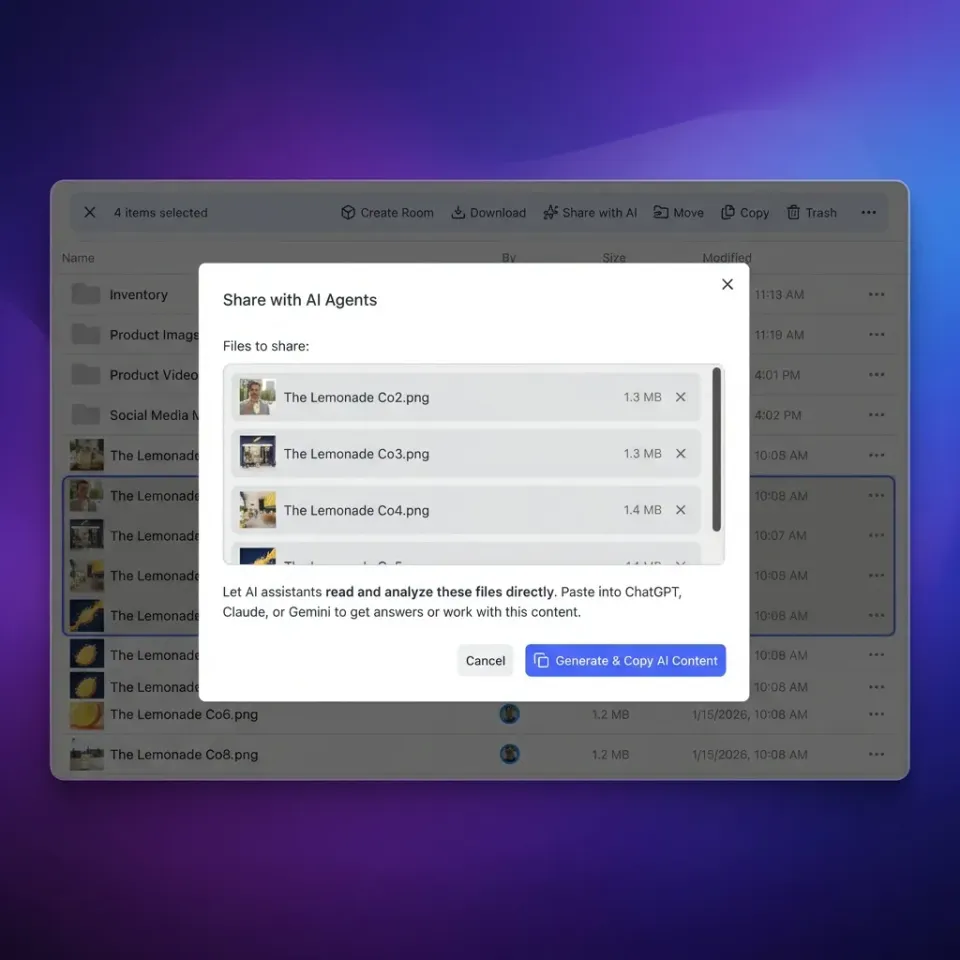
Why You Need Specialized File Fixtures for Agents: ai agent testing file fixtures
AI agents bring a specific and difficult problem to software testing: non-determinism. Unlike traditional software where input A always creates output B, an LLM-based agent might choose different tools, phrasing, or execution paths to get the job done. This makes a stable test environment necessary.
File fixtures are static files used to test an agent's ability to read, write, and process data. Locking down the file layer isolates the agent's decision-making logic from external variables. Agents with fixture-based tests tend to have fewer production bugs because developers can reproduce edge cases on demand. This reliability matters when building autonomous systems that handle sensitive user data or run infrastructure tasks. Without it, you might deploy agents that behave strangely in production.
Regression Testing for Model Updates One often overlooked benefit is regression testing when underlying models change. If OpenAI releases a new version of GPT-4o, or Anthropic updates Claude 3.5 Sonnet, your agent's behavior might drift. By running the exact same set of file fixtures against the new model, you can instantly spot if the agent has lost the ability to parse a specific CSV format or misunderstands a complex PDF layout.
Test data management can take considerable time in data-heavy applications. A structured fixture library reduces this work, letting developers focus on agent behavior rather than environment setup.
Helpful references: Fast.io Workspaces, Fast.io Collaboration, and Fast.io AI.
Main Types of AI Agent File Fixtures
Validating an agent's capabilities takes more than a few text files. A complete testing strategy needs diverse fixtures that match real-world complexity.
1. Input Documents (The Happy Path) Clean, formatted files (PDFs, CSVs, Markdown) that represent the ideal state for your agent's processing logic. For example, a perfectly formatted invoice with all fields present, or a CSV with standard UTF-8 encoding and no missing columns.
2. Edge Case Files (The Stress Test) Files designed to break parsers. This includes CSVs with mixed delimiters, PDFs with corrupted cross-reference tables, or text files with unexpected encoding (like Windows-1252 instead of UTF-8). These test how your agent handles errors without crashing or hallucinating data.
3. Mock LLM Outputs (The Deterministic Layer) JSON files containing pre-generated responses from the LLM. These let you test your parsing logic without making expensive and slow API calls. For instance, a fixture might contain the exact JSON object the LLM should return when asked to summarize a specific document.
4. Tool Execution Results (The Feedback Loop)
Saved outputs from tools like grep, ls, ffmpeg, or custom scripts. These fixtures help verify that your agent interprets tool feedback correctly. If ls returns "Permission denied," does your agent try sudo (bad) or report the error (good)?
5. State Checkpoints (The Memory Test) Snapshots of the agent's memory or workspace state at specific steps. These are critical for testing long-running workflows that must resume after a pause or crash. A checkpoint fixture might be a JSON dump of the agent's conversation history and current variable values.
6. Large Datasets (The Scale Test) Files that exceed standard context windows, such as 500MB log files or 4K video footage. These test your agent's ability to chunk, stream, or summarize data rather than trying to load it all into memory at once.
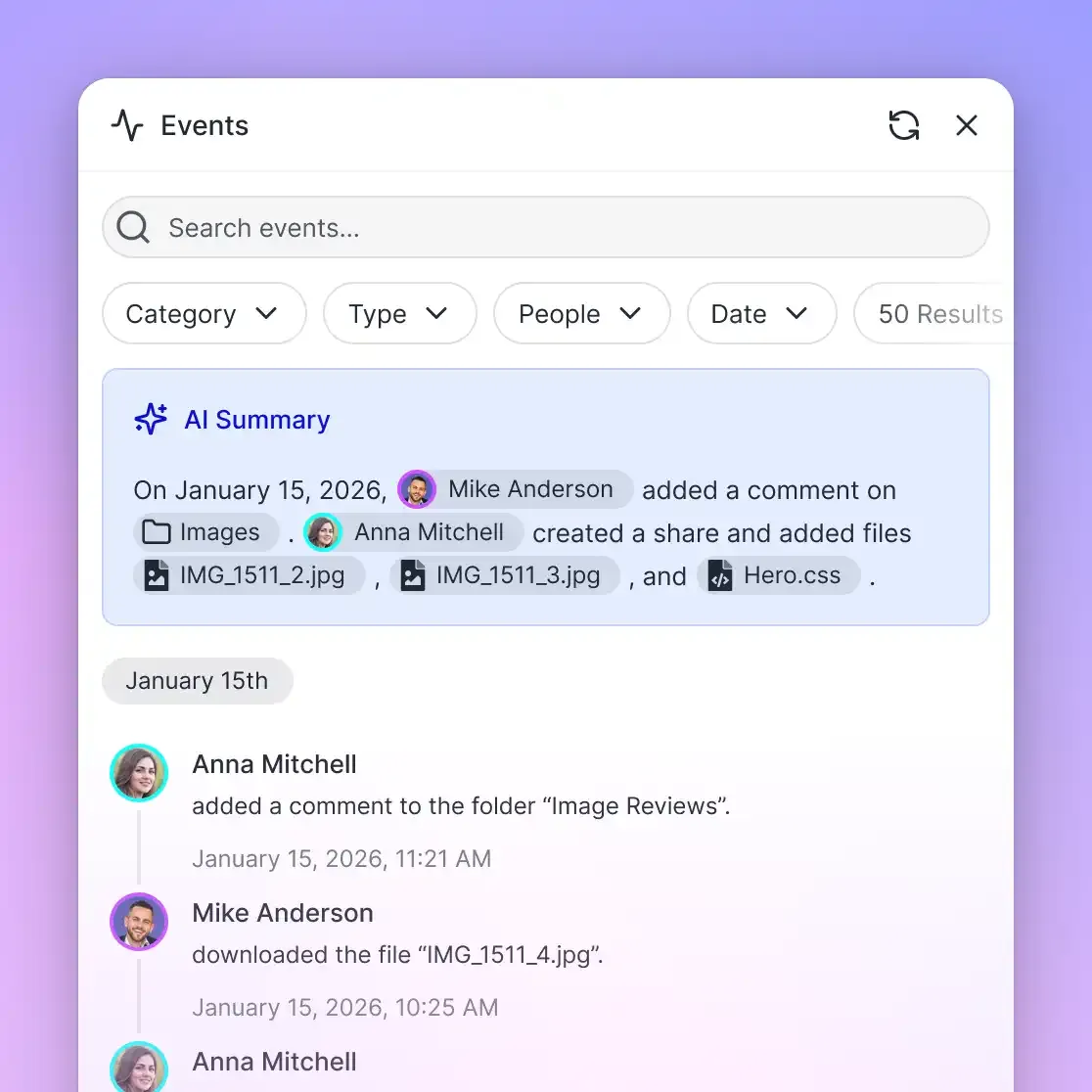
How to Structure Your Test Data Repository
Organizing fixtures prevents your test suite from becoming an unmanageable mess. A hierarchy based on test scope and file type works well for most teams.
Recommended Directory Structure:
tests/fixtures/e2e/: Full datasets for end-to-end user flows (e.g., "onboarding_flow_data").tests/fixtures/unit/: Small, specific files for testing individual functions (e.g., "malformed_header.csv").tests/fixtures/mock_mcp/: JSON definitions for Model Context Protocol responses.tests/fixtures/large_files/: Pointers to external storage for files >100MB.
Separating Text from Binary
Keep text-based fixtures (JSON, CSV, MD) in your Git repository where they can be diffed easily. Store binary fixtures (Images, PDF, Video, Zip) in external object storage or a dedicated Fast.io workspace. You can use a simple script or a Makefile to pull these binary assets into a tmp/ directory before running your test suite. This keeps your repository clone size small while ensuring every developer tests against the exact same binary data.


Start with ai agent testing file fixtures on Fast.io
Store your large test datasets and fixtures in a free Fast.io workspace, accessible directly by your agents.
Mocking File Operations with MCP
Testing agents that use the Model Context Protocol (MCP) often requires mocking the file system. This lets you test destructive actions, like deleting or overwriting files, without touching your local disk or risking data loss.
Why Mocking Beats Real I/O Real file I/O is slow and flaky. If a test fails to clean up after itself, it leaves debris that breaks the next test run. Mocking the MCP tool calls keeps the environment clean every time and speeds up test execution.
Example JSON Fixture for a Read Operation:
{
  "request": {
    "method": "tools/call",
    "params": {
      "name": "read_file",
      "arguments": { "path": "/data/report.csv" }
    }
  },
  "response": {
    "content": [
      {
        "type": "text",
        "text": "id,status,value
1,active,100
2,pending,50"
      }
    ]
  }
}
Example JSON Fixture for a Write Operation:
{
  "request": {
    "method": "tools/call",
    "params": {
      "name": "write_file",
      "arguments": {
        "path": "/data/summary.txt",
        "content": "The report shows 1 active item."
      }
    }
  },
  "response": {
    "content": [
      {
        "type": "text",
        "text": "Successfully wrote 32 bytes to /data/summary.txt"
      }
    ]
  }
}
Loading these fixtures into your test use helps verify that your agent constructs correct tool calls and parses results accurately, regardless of the underlying filesystem state.
Managing Large Test Datasets with Fast.io
AI agents often need to process gigabytes of video, audio, or log data. Generating this data synthetically is hard, but using raw production data has security risks.
Sanitizing Data
Take a subset of production data and run it through a pipeline to remove PII (Personally Identifiable Information). Use libraries like faker to replace names and emails, and scrubbers to remove API keys or internal IPs. Store these clean datasets in a secure location.
Storage Solutions For datasets larger than 500MB, local storage doesn't work well in CI environments. Fast.io lets you host these datasets in a dedicated workspace. Your test runner can mount the workspace or fetch specific files via the Fast.io MCP server. This gives your CI/CD pipeline fast access to the exact data needed without bloating your repo.
Mounting Fixtures for Agents With Fast.io, you can create a specific "Test Fixtures" workspace. When your agent spins up in a test environment, you can mount this workspace as a read-only drive. This gives the agent instant access to terabytes of test data, such as video clips for editing agents, massive codebases for coding agents, or financial archives for analyst agents, without needing to download everything first.
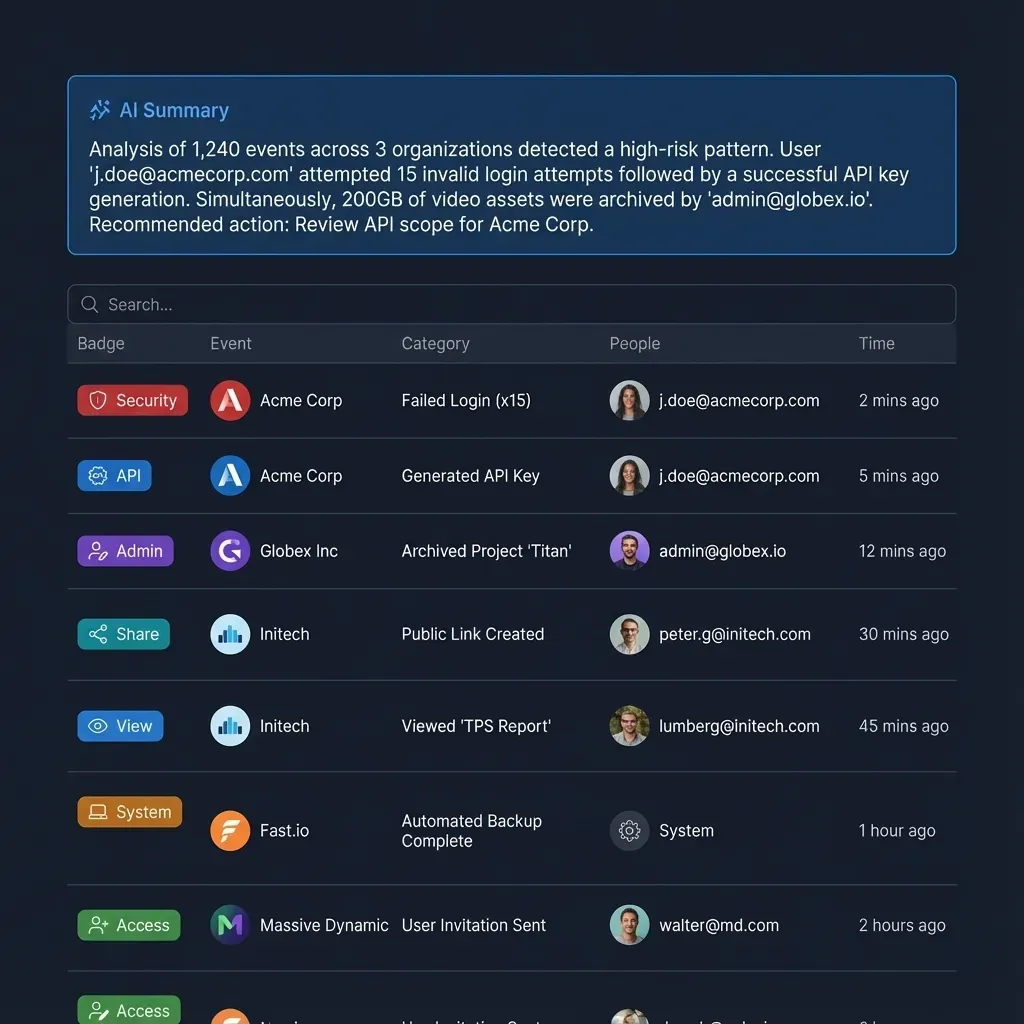
Automated Fixture Generation
Manually creating hundreds of test files is tedious and error-prone. Engineering teams are now using AI to generate the test fixtures for their AI agents.
Generative Scripts
Write Python scripts that use libraries like pandas or faker to generate thousands of variations of a CSV file. You can programmatically introduce errors (like null values in required columns) to make sure your agent's validation logic holds up.
LLM-Generated Content Use a cheaper, faster model (like GPT-4o-mini or a local Llama 3) to generate text content for your fixtures. You can ask it to "Write 50 varied customer complaint emails regarding shipping delays." This gives your primary agent a realistic corpus of text to analyze, with far more linguistic variety than you could write by hand.
Property-Based Testing
Tools like Hypothesis for Python can generate test cases based on property definitions. While traditionally used for unit tests, you can adapt this approach to generate structural file fixtures, ensuring your agent can handle any valid (and many invalid) file structures.
Best Practices for Fixture Maintenance
Fixtures are code and deserve the same discipline. If your fixtures drift from reality, your tests become useless.
Version Control Everything
Tag your test data releases. If a test fails, you should know exactly which version of the data was used. Use semantic versioning for your fixture library (e.g., v1.2.0-fixtures) so you can roll back if a new dataset introduces noise.
Regular Cleanup Review your fixture library quarterly. Delete files that are no longer referenced by active tests to reduce clutter. Keeping test data clean also helps new team members quickly understand how your agents should behave.
Security Scans Treat fixtures like production code. Scan them for secrets. It's surprisingly common for developers to grab a "real" config file for testing and accidentally commit an API key. Automated scanners should run against your fixture folder in every PR.
Frequently Asked Questions
What are test fixtures for AI agents?
Test fixtures for AI agents are static files, mock responses, and pre-defined states used to create a consistent environment for validating agent behavior. They ensure tests are reproducible despite the random nature of LLMs.
How do you test file processing agents?
Test file processing agents by giving them a known set of input files (fixtures) and verifying the output matches the expected result. This includes testing with valid files, corrupted files, and files that are too large for the context window.
How to mock agent file operations?
Mock agent file operations by intercepting tool calls (like in MCP) and returning pre-defined JSON responses instead of running actual file system commands. This protects real files and speeds up tests.
Should I use real customer data for testing?
No, avoid using raw customer data due to privacy risks. Use sanitized subsets of production data or synthetically generated files that match the structure of real user data.
How often should I update my test fixtures?
Update fixtures whenever your application's data schema changes or when you discover a new edge case in production. Regular updates ensure your tests reflect the current reality of your system.
Can I use AI to generate test data?
Yes, using smaller, faster AI models to generate synthetic test data (like varied emails or reports) is a smart way to create better test suites without manual effort.
Related Resources

Start with ai agent testing file fixtures on Fast.io
Store your large test datasets and fixtures in a free Fast.io workspace, accessible directly by your agents.