How to Implement an AI Agent Handoff Protocol
An agent handoff protocol is the bridge between autonomous AI operations and human oversight. Learn how to design a workflow that transfers context, files, and decision-making authority without data loss.
What is an AI Agent Handoff Protocol?
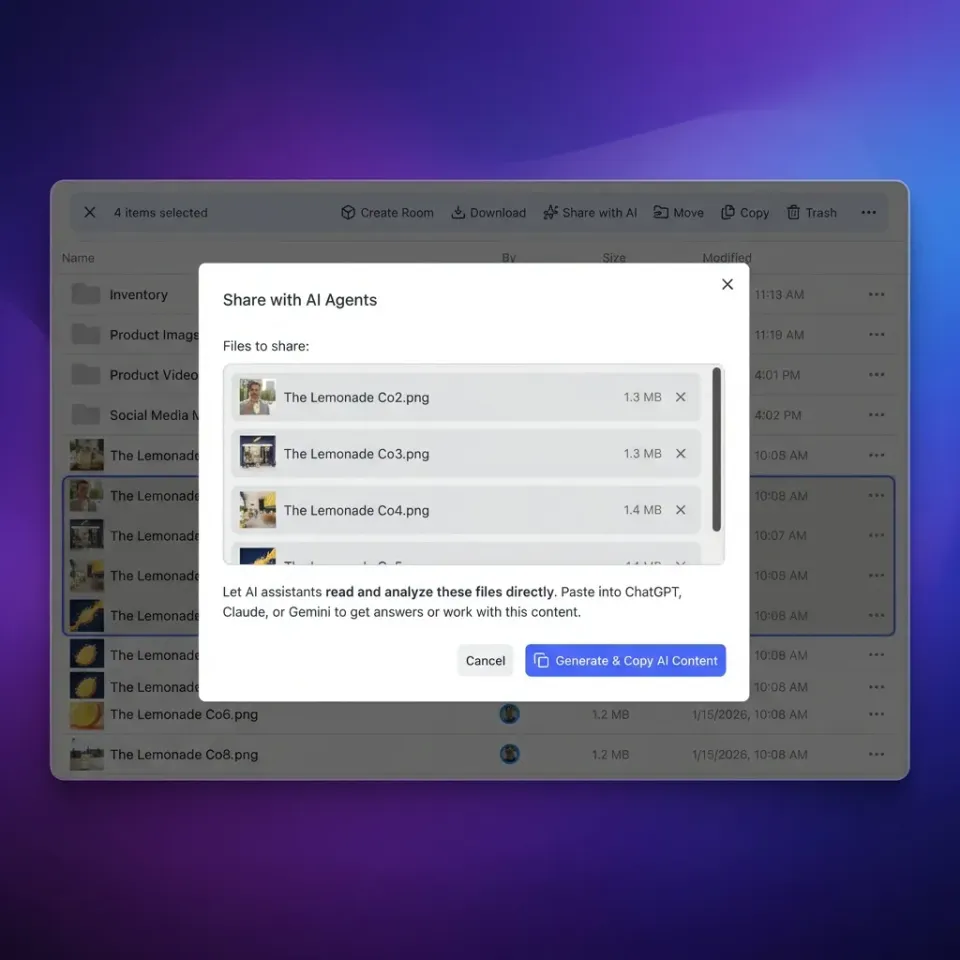
An agent handoff protocol defines how autonomous AI agents transfer control, context, and artifacts to human operators or other agents. While often discussed in the context of customer service chatbots, modern handoff protocols are critical for complex autonomous workflows, such as coding agents, research bots, and media rendering pipelines.
Without a structured protocol, the "human-in-the-loop" becomes a bottleneck. Operators waste time re-reading logs, locating output files, or verifying which steps the agent actually completed. A strong protocol automates this context switching, ensuring the human can immediately add value.
According to [Gartner], 80% of production agents require human-in-the-loop handoff for quality assurance and safety. The goal is not just to "stop" the agent, but to pass the baton smoothly, ensuring the human has the full state of the task immediately available.
Handoff protocols share some DNA with traditional workflow automation patterns, but they add a layer of state serialization that pure automation tools lack.
How Do You Structure a Handoff Between Agent and Human?
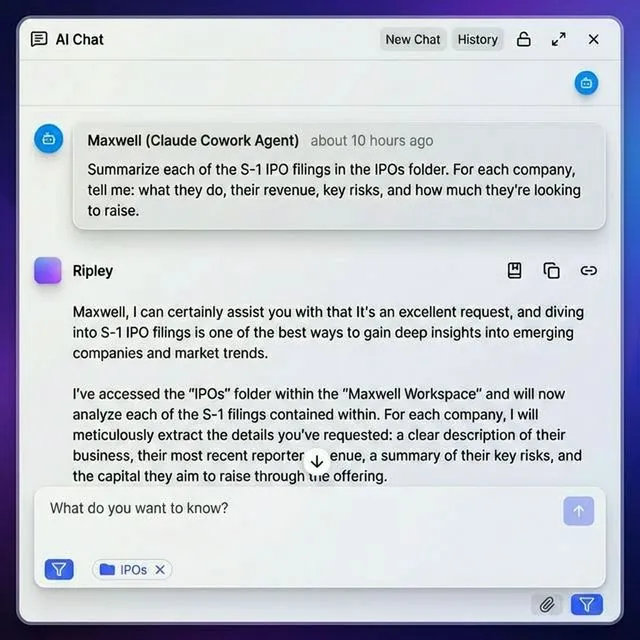
A complete handoff system requires more than just a notification. It must preserve the state of the work.
1. The Trigger The condition that initiates the transfer. This can be:
- Confidence Threshold: The agent's certainty falls below a set limit you define for your use case.
- Critical Action: The agent reaches a step requiring authorization (e.g., deploying code, sending money).
- Error State: The agent encounters an exception it cannot resolve.
- Completion: The agent finishes its batch of work and requests final review.
2. The Context Package This is the data the human needs. In a file-centric workflow, this includes the prompt history, the generated files, the error logs, and a summary of actions taken.
3. The Routing Mechanism Who receives the handoff? Smart routing sends coding errors to engineers and content flags to editors, rather than blasting a generic channel.
4. The Feedback Loop The human's action (approve, reject, edit) should be recorded. This data is essential for fine-tuning the agent's future performance.
How to Design the Handoff Workflow in Fast.io
Fast.io serves as the shared state layer for agent-human collaboration. Because Fast.io workspaces are accessible via standard file system protocols (for humans) and high-speed APIs (for agents), they act as the perfect "staging area" for handoffs.
In this architecture, the agent does not "message" the human directly. Instead:
- The agent works in a dedicated Fast.io workspace, creating files and logs.
- When a handoff trigger is met, the agent writes a
handoff.jsonstatus file or triggers a webhook. - The human receives a notification and opens the workspace.
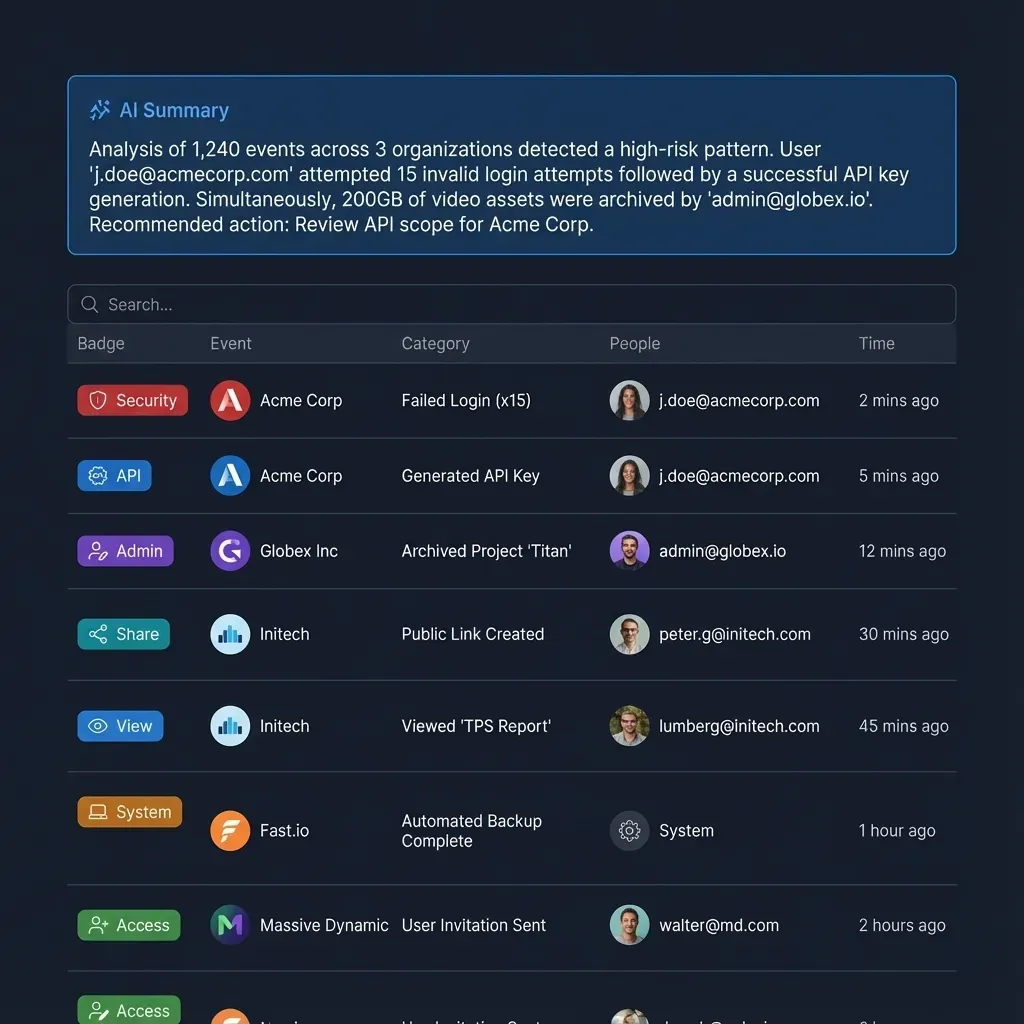
- Because Fast.io features Intelligence Mode, the human can instantly query the workspace: "What changed since the last build?" or "Show me the files with validation errors."
This approach eliminates the "context dump" problem. The files are the context, and they are already indexed and searchable. If you are building a multi-agent system, this same workspace can serve as the coordination hub for agent-to-agent transfers too.


Build seamless agent-human workflows
Use Fast.io as the shared workspace for your AI agents. 50GB free storage, built-in RAG, and instant file handoffs.
Managing Artifacts and Files During Transfer
For agents that produce heavy assets, like video renderers, data analysis bots, or code generators, the handoff is primarily about artifact integrity.
Zero-Copy Handoffs In traditional systems, agents might upload files to an S3 bucket, and humans have to download them to review. This adds latency. With Fast.io, the agent writes to the storage layer, and the file is immediately visible to the human's desktop via the mounted drive. No downloading required.
Ownership Transfer When an agent builds a client deliverable (e.g., a website or a set of reports), it can programmatically transfer ownership of the entire workspace to a human account. This is useful for agency workflows where an agent does the rough draft, and a human polishes it for the client.
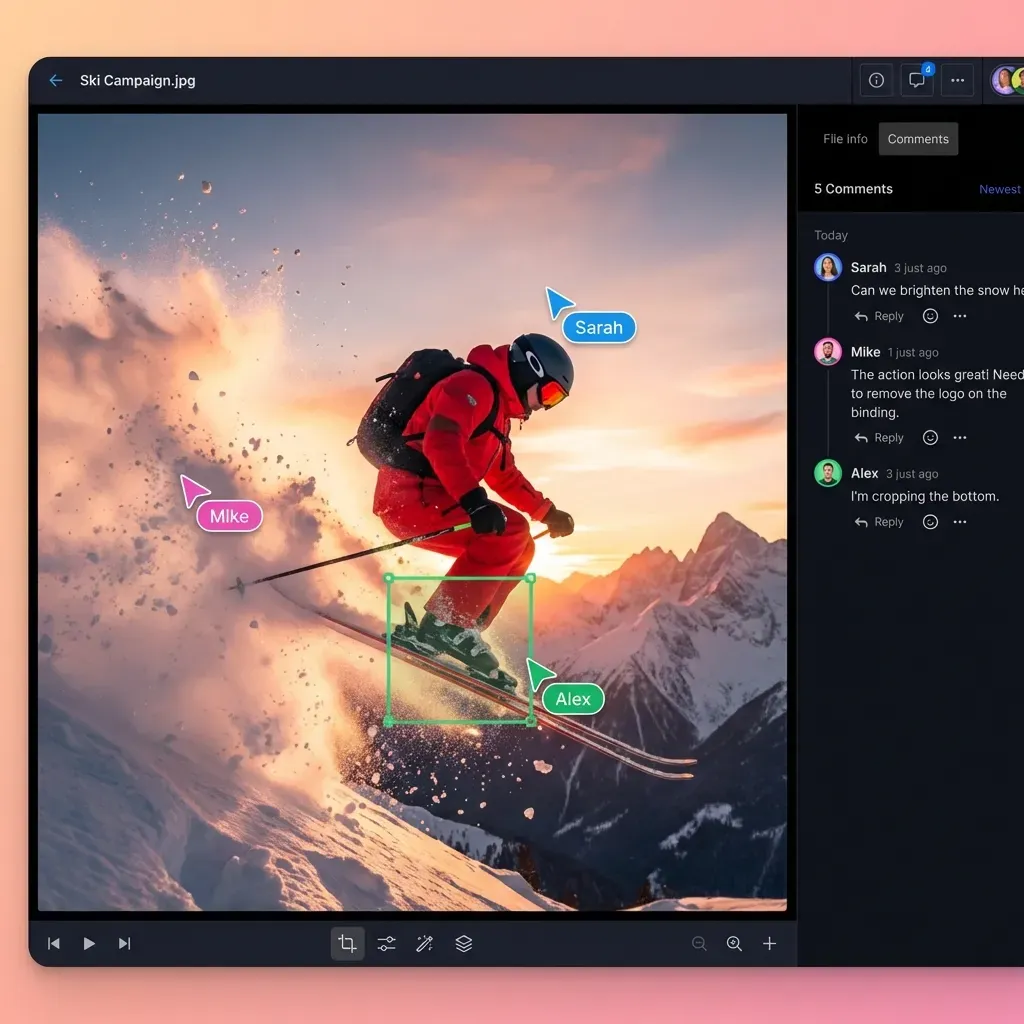
File Locking To prevent conflicts, agents can acquire locks on specific files while working. During handoff, the agent explicitly releases these locks, signaling to the human that the files are safe to edit. For teams running multiple agents in parallel, file locking becomes even more important. See our guide on AI agent file versioning for strategies on managing concurrent writes.
Common Handoff Challenges
Latency Handoff delays average 15 minutes without proper protocols, according to Forrester research on AI contact centers. Using real-time webhooks instead of polling reduces this to seconds. Fast.io's event system can trigger alerts the moment a specific file is modified.
Loss of State If an agent crashes mid-task, the human needs to know where it stopped. Agents should write a persistent state file (checkpoint) to the workspace after every major step. This is closely related to agent state management patterns, where periodic checkpointing protects against partial failures.
Permission Boundaries
Agents often need write access, while humans need read/write/delete. Using Fast.io's granular permission system, you can grant agents write-only access to an "Inbox" folder, ensuring they cannot overwrite approved work.
Frequently Asked Questions
How do AI agents hand off to humans?
Agents hand off to humans by triggering a notification based on specific criteria (low confidence, error, or completion) and transferring the current context, including files, logs, and state, to a shared interface where the human can take over.
What is an agent handoff protocol?
An agent handoff protocol is a set of rules defining when and how an AI agent transfers control to a human. It ensures the human operator receives all necessary context and artifacts to continue the task without interruption.
How to transfer agent context to human operators?
The best method is to use a shared workspace where both agent and human have access to the same files and data. The agent saves its state and logs to this workspace, allowing the human to review the entire history immediately.
Can agents hand off to other agents?
Yes, this is called agent-to-agent (A2A) handoff. It uses similar protocols but typically relies on structured APIs or shared state files rather than human-readable notifications.
What triggers a human-in-the-loop handoff?
Common triggers include low confidence scores in the agent's output, detection of sensitive or high-risk topics, system errors, or a pre-defined workflow step that explicitly requires human approval.
Related Resources

Build seamless agent-human workflows
Use Fast.io as the shared workspace for your AI agents. 50GB free storage, built-in RAG, and instant file handoffs.