How to Use AI Agents for Demand Forecasting
Static spreadsheets are no longer enough for modern supply chains. AI agents for demand forecasting offer a dynamic solution, predicting market shifts with multiple% greater accuracy than traditional methods. By automating data analysis and pattern recognition, these agents help businesses reduce overstock and react to changes in real-time. This guide explains how to deploy forecasting agents effectively.
What Are AI Forecasting Agents?: agent demand forecasting
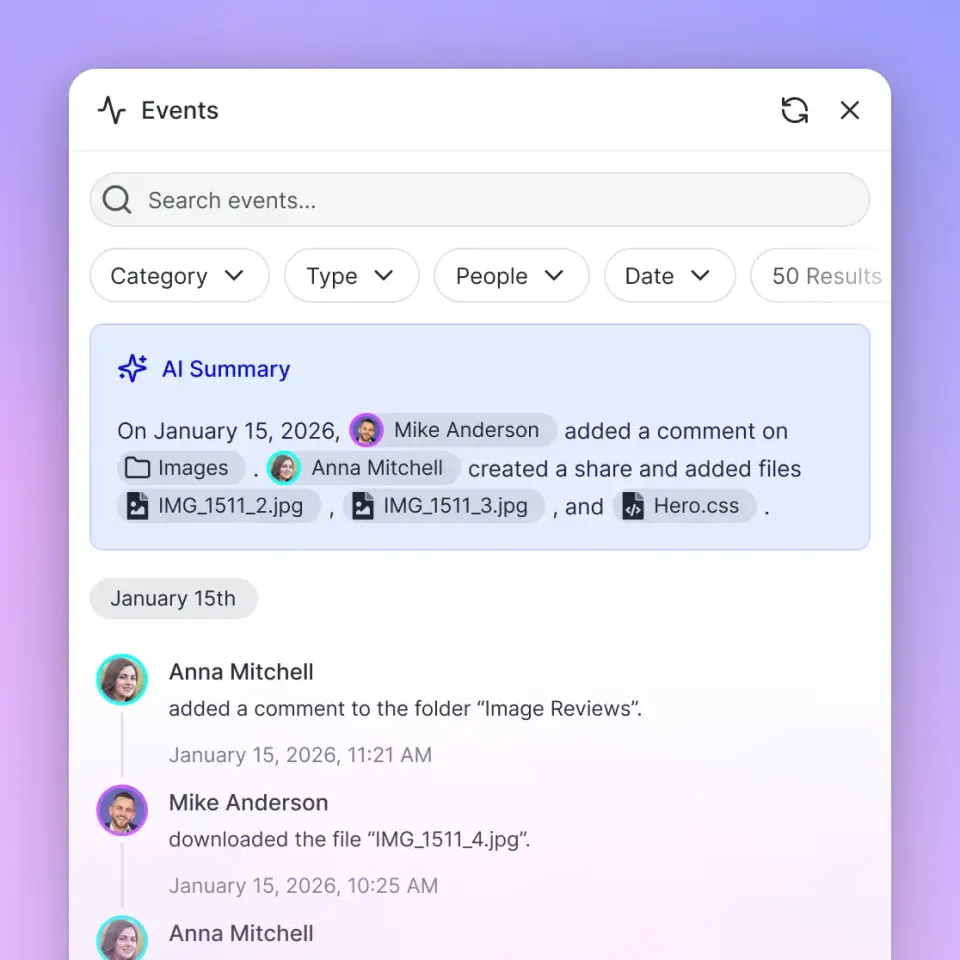
AI agents forecast demand using multi-step MCP chains and file analysis. Unlike passive software that displays data, these agents actively monitor supply chain variables, execute complex prediction models, and trigger alerts when anomalies are detected. They function as autonomous digital workers that can ingest sales history, analyze market trends, and produce actionable inventory recommendations without constant human supervision.
The core advantage lies in their ability to handle unstructured data. While traditional ERP systems rely on structured rows and columns, AI agents can read competitor earnings reports, parse news about port strikes, and factor in weather patterns. This multi-modal approach creates a holistic view of demand that goes far beyond simple linear regression.
Helpful references: Fast.io Workspaces, Fast.io Collaboration, and Fast.io AI.
Practical execution note for ai agent demand forecasting: define a baseline process, assign ownership, and document fallback behavior when dependencies fail. Run a pilot with a small team, collect concrete metrics, and compare throughput, error rate, and review time before broad rollout. After rollout, keep a living checklist so future contributors can repeat the workflow without re-learning critical constraints.
Why Traditional Forecasting Fails
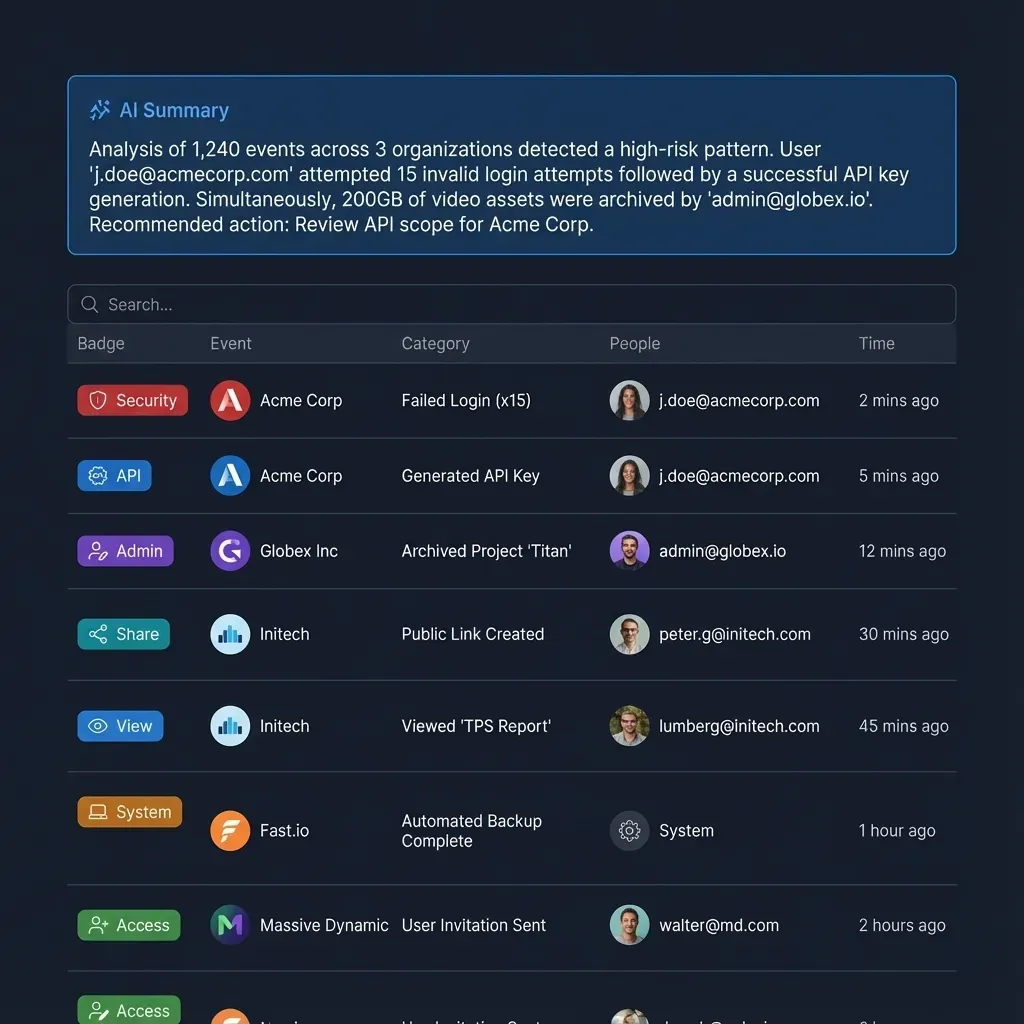
Most organizations still rely on static forecasting methods that are weeks or months out of date by the time they are finalized. Manual spreadsheets are prone to human error and bias, often leading to "gut feeling" adjustments that skew inventory levels.
Legacy systems also struggle with speed. In a global market where a single viral social media post can spike demand overnight, a monthly planning cycle is too slow. Traditional tools lack the agility to ingest real-time signals, leaving supply chain leaders reacting to the past rather than preparing for the future.
Practical execution note for ai agent demand forecasting: define a baseline process, assign ownership, and document fallback behavior when dependencies fail. Run a pilot with a small team, collect concrete metrics, and compare throughput, error rate, and review time before broad rollout. After rollout, keep a living checklist so future contributors can repeat the workflow without re-learning critical constraints.
How Agents Improve Accuracy
AI agents bring a new level of precision to supply chain planning. By continuously analyzing vast datasets, they identify subtle patterns that human analysts might miss. According to Avahi, AI-driven forecasting can improve accuracy by up to 30%, outperforming traditional statistical methods.
This accuracy comes from the agent's ability to layer multiple data sources. An agent doesn't just look at last year's sales; it correlates that data with current economic indicators, marketing spend, and even social sentiment. The result is a dynamic forecast that adapts daily, ensuring that inventory levels align with actual consumer intent rather than historical averages.
Step-by-Step: Building a Forecasting Agent Workflow
Deploying an AI agent for demand forecasting requires a clear operational workflow. Here is a practical pattern for agent handoff and execution:
Data Ingestion (The Scout): Configure an agent with MCP tools to fetch daily sales reports (CSVs) and external market data. The agent stores these files in a secure Fast.io workspace, ensuring all raw data is indexed and searchable.
Analysis & Modeling (The Analyst): Use a second agent or a specialized skill to process the ingested data. This agent runs the forecasting model, comparing current trends against historical baselines. It generates a "Confidence Report" highlighting high-probability demand shifts.
Human Review & Handoff (The Manager): The agent notifies the human demand planner via a webhook or email summary. The planner reviews the forecast in the shared workspace, adjusting parameters if necessary. This "human-in-the-loop" approach ensures that AI insights are validated by domain expertise before large purchase orders are cut.
Real-World Impact: Reducing Overstock
The financial impact of accurate forecasting is immediate. Overstocking ties up capital in warehousing and risks obsolescence, while understocking leads to lost revenue. AI agents help strike the optimal balance.
According to Virtasant, companies implementing AI in their supply chains have seen overstock reductions of up to multiple%. By predicting demand more accurately, businesses can move to a just-in-time inventory model with confidence, freeing up cash flow for innovation and growth rather than storage fees.
Add one practical example, one implementation constraint, and one measurable outcome so the section is concrete and useful for execution.
Teams should validate this approach in a small test path first, then standardize it across environments once metrics and outcomes are stable.
Getting Started with Fast.io
Fast.io provides the ideal infrastructure for deploying demand forecasting agents. With our free agent tier, you get multiple of storage and access to multiple MCP tools without needing a credit card.
Intelligence Mode allows your agents to instantly query historical reports and contracts using built-in RAG, while our secure workspaces enable smooth ownership transfer, perfect for consultants building forecasting models for clients. You build the agent, verify its performance, and then transfer the entire workspace to your client's control, maintaining admin access for maintenance.
Add one practical example, one implementation constraint, and one measurable outcome so the section is concrete and useful for execution.
Frequently Asked Questions
What is an AI demand forecasting agent?
An AI demand forecasting agent is an autonomous software program that uses machine learning and real-time data to predict future product demand. It automates data collection, analysis, and reporting to improve inventory accuracy.
How accurate are AI demand forecasts?
AI demand forecasts are typically multiple-multiple% more accurate than traditional methods. They achieve this by analyzing a broader range of data signals, including market trends and external factors, rather than relying solely on historical sales.
Can agents replace demand planners?
No, agents do not replace demand planners. Instead, they augment them by handling data processing and initial analysis. This allows human planners to focus on strategic decisions and exception handling rather than spreadsheet maintenance.
What data do I need for AI forecasting?
You typically need historical sales data, inventory levels, and marketing schedules. Agents can also incorporate external data like competitor pricing, weather forecasts, and economic indicators to refine their predictions.
How do I start with AI forecasting?
Start by identifying your most volatile SKUs. Deploy a simple agent to monitor sales trends for those products and generate daily alerts. As you validate the agent's accuracy, you can expand its scope to automate broader inventory decisions.
Related Resources

Run Agent Demand Forecasting workflows on Fast.io
Deploy your first forecasting agent today with Fast.io's free tier. Get 50GB of storage and 251 MCP tools to build smarter supply chains. Built for agent demand forecasting workflows.