How to Speed Up Large File Transfers with UDP
UDP file transfer uses the User Datagram Protocol to achieve faster transfer speeds than traditional TCP by reducing overhead and enabling parallel data streams. For video professionals sending large files across continents, UDP-based solutions can reduce transfer times compared to standard FTP.
What Is UDP File Transfer?
UDP file transfer is the practice of sending files using the User Datagram Protocol instead of the more common Transmission Control Protocol (TCP). The key difference: UDP doesn't wait for confirmation that each packet arrived before sending the next one. Think of TCP like sending certified mail. You send a letter, wait for a receipt confirming delivery, then send the next one. UDP is more like dropping postcards in a mailbox as fast as you can. Some might get lost, but you finish much faster. For small files on local networks, this speed difference is negligible. But when you're transferring large video masters from Los Angeles to Tokyo, the gap becomes massive.
Helpful references: Fast.io Workspaces, Fast.io Collaboration, and Fast.io AI.
UDP vs TCP: A Direct Comparison
Here's how the two protocols stack up for file transfer:
TCP (Transmission Control Protocol)
- Guarantees every packet arrives in order
- Waits for acknowledgment before sending more data
- Interprets packet loss as network congestion
- Slows down dramatically on high-latency connections
- Best for: small files, local transfers, reliability-critical data
UDP (User Datagram Protocol)
- Sends packets without waiting for confirmation
- No built-in error correction or ordering
- Maintains speed regardless of latency
- Requires additional software to handle lost packets
- Best for: large files, international transfers, time-sensitive delivery
The numbers tell the story. In tests comparing FTP (which uses TCP) against UDP-based protocols, UDP achieved faster transfer speeds for large files over high-latency connections.
Why TCP Struggles with Large Files Over Distance
TCP was designed in the 1970s for networks with much higher packet loss and lower bandwidth than today. Its congestion control mechanism assumes that dropped packets mean the network is overloaded, so it backs off and slows down. On high-latency connections (typical for US-to-Europe), TCP might achieve only a fraction of the available bandwidth. The protocol spends most of its time waiting for acknowledgments instead of sending data. Three factors make TCP problematic for large media transfers:
- Round-trip time: Every packet needs acknowledgment. More distance means longer waits.
- Congestion windows: TCP starts slow and ramps up gradually. Large files never reach full speed before finishing.
- Single-stream bottleneck: Most TCP implementations use one data stream, limiting throughput. A research institution found that transferring terabyte-scale experiment data via TCP took days. Switching to a UDP-based protocol reduced that to hours.
How UDP-Based Transfer Tools Work
Pure UDP is unreliable. Packets can arrive out of order, duplicated, or not at all. That's fine for streaming video where a dropped frame goes unnoticed, but unacceptable for file transfer. Modern UDP file transfer tools solve this by adding their own reliability layer on top of UDP. They typically:
- Split files into chunks and assign sequence numbers
- Send multiple streams in parallel to saturate the connection
- Track which chunks arrived at the destination
- Request retransmission of missing chunks only
- Reassemble the file in correct order
This hybrid approach gets UDP's speed benefits while ensuring complete, accurate delivery. The UDP-based Data Transfer Protocol (UDT) is one example, designed specifically for moving large datasets over high-speed networks. Common tools using this approach include:
- Aspera FASP: IBM's proprietary UDP protocol
- FileCatalyst: Enterprise accelerated transfer
- Signiant: Media logistics platform
- Tsunami: Open-source hybrid (TCP control + UDP data)
- UFTP: Encrypted UDP-based FTP with multicast support
When UDP File Transfer Makes Sense
UDP-based transfer isn't always the right choice. Here's when it pays off:
Good candidates for UDP transfer
- Video masters over 10GB going international
- Daily deliveries between geographically distributed teams
- Scientific datasets measured in terabytes
- Tight deadlines where hours matter
- High-latency satellite or intercontinental links
Stick with TCP when
- Files are under 1GB
- Sender and receiver are on the same continent
- Network infrastructure restricts UDP traffic
- You need compatibility with standard FTP clients
- Transfer time isn't critical
A global media production company transferring video between LA, London, and Tokyo cut transfer times by more than 80% by switching from FTP to a UDP-based protocol. For daily international deliveries, the cost of specialized tools was justified within a month.
Setting Up UDP File Transfer
Getting started with UDP-based transfer requires software at both ends of the connection. Unlike FTP, you can't just point any file manager at a UDP server.
Basic requirements
- Specialized client and server software (Aspera, FileCatalyst, or open-source alternatives)
- UDP ports open on firewalls (many corporate networks block UDP by default)
- Sufficient bandwidth to take advantage of the speed increase
- Storage that can write fast enough (spinning disks may bottleneck on the receiving end)
Firewall considerations
UDP traffic is often blocked by default in corporate environments. You'll need:
- Specific UDP port ranges opened (varies by software)
- NAT traversal configuration for complex network topologies
- Possible exceptions in intrusion detection systems that flag high-volume UDP
Open-source options
For smaller teams or testing, open-source tools like Tsunami or UFTP provide UDP acceleration without licensing costs. They lack the polish and support of commercial solutions but handle basic point-to-point transfers well.
Alternatives for Fast Large File Delivery
UDP acceleration is one approach to the large file problem, but not the only one. Consider these alternatives:
Cloud-native storage
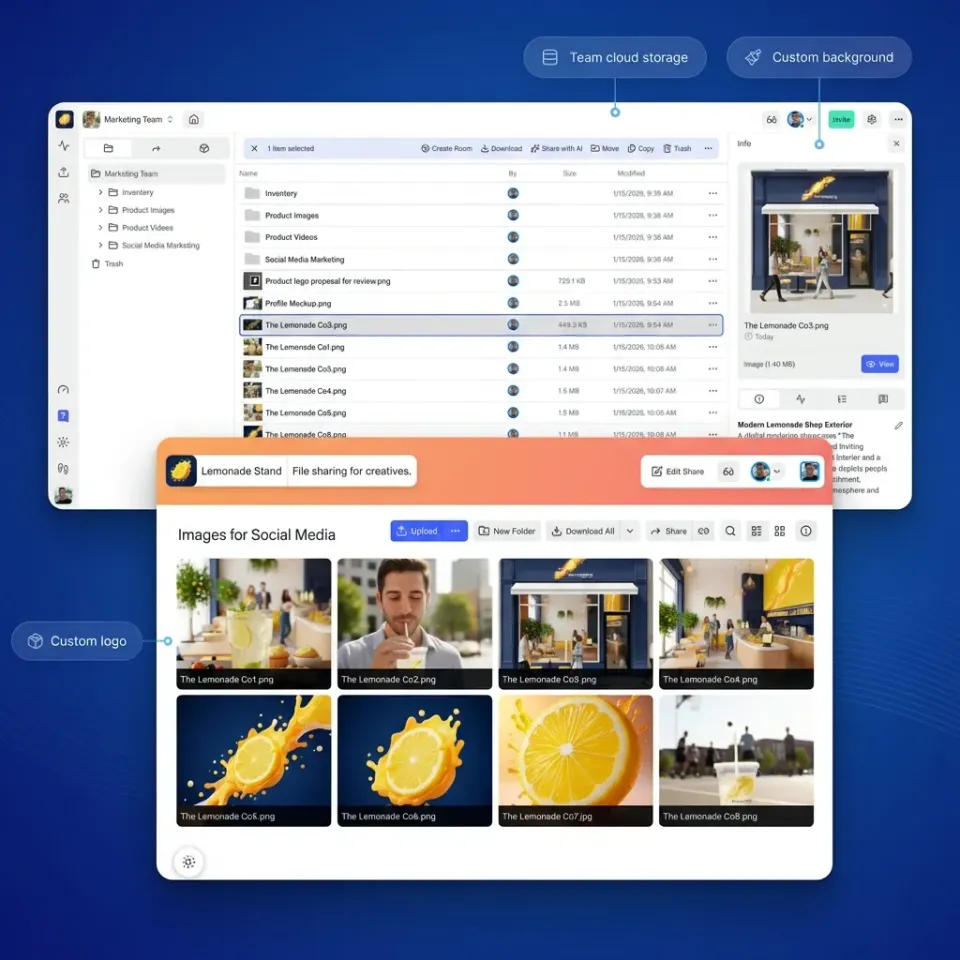
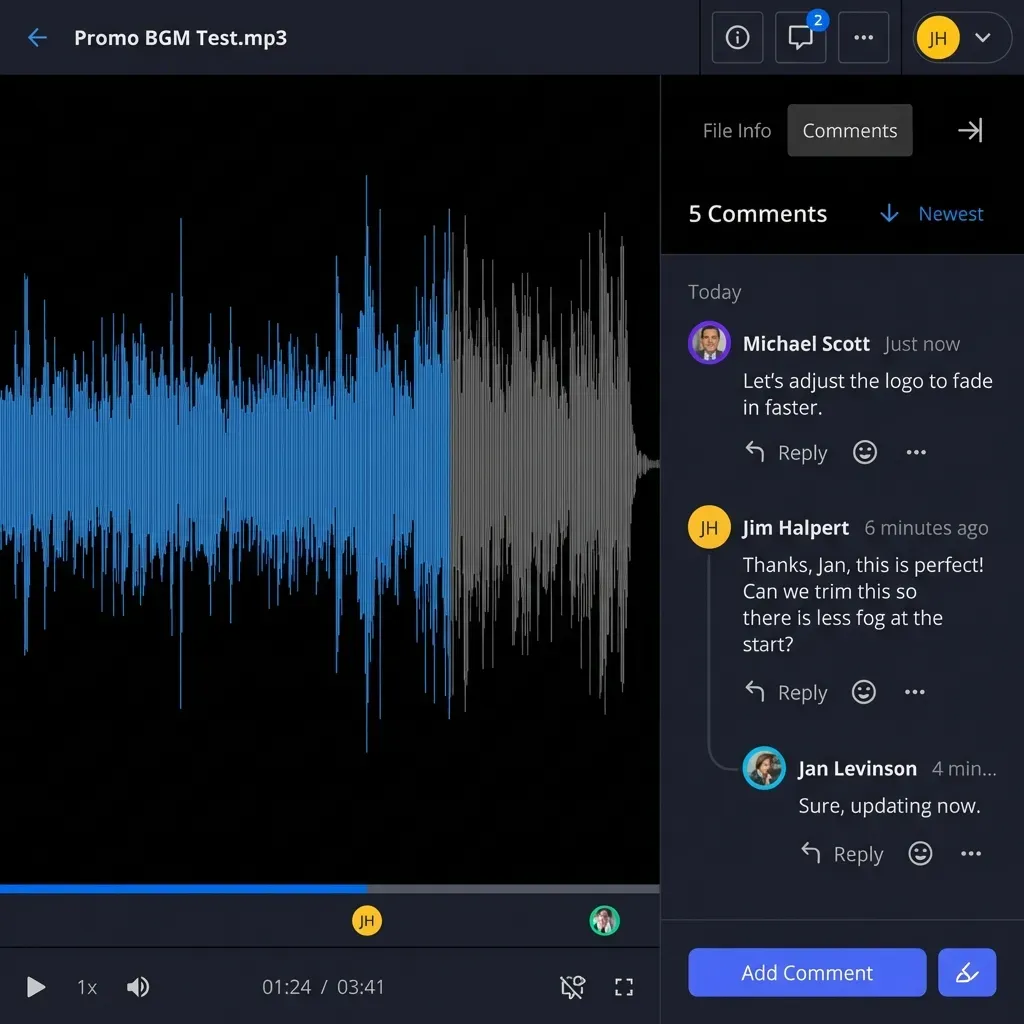
Rather than transferring files between locations, store them in one place and stream on demand. Cloud platforms with global CDN distribution can deliver large media files quickly without moving the original. Fast.io's cloud-native architecture keeps files in the cloud and streams them via HLS (adaptive bitrate streaming). Video professionals can review high-resolution footage instantly without downloading the full file. The original stays safe while lightweight proxies handle playback.
Managed transfer services
Services like Signiant and Aspera offer turnkey UDP acceleration with pay-per-use pricing. You get the speed benefits without managing infrastructure.
Physical shipping
For large datasets, physical drives shipped overnight may actually beat network transfer. AWS Snowball exists for exactly this reason. The right choice depends on your workflow. Regular international transfers of large video files probably justify UDP tooling. Occasional large transfers might be better served by cloud storage with good streaming.
Frequently Asked Questions
Is UDP faster than TCP for file transfer?
Yes, for large files over high-latency connections. UDP can be much faster than TCP because it doesn't wait for packet acknowledgments. However, UDP requires additional software to handle reliability, since the protocol itself doesn't guarantee delivery. For small files or local network transfers, the speed difference is negligible.
What is UDP file transfer?
UDP file transfer uses the User Datagram Protocol to move files between computers. Unlike TCP, UDP doesn't establish a connection or wait for delivery confirmation. Modern UDP file transfer tools add their own reliability layer to get UDP's speed benefits while ensuring complete, accurate file delivery.
Why do some file transfers use UDP?
Large file transfers use UDP to avoid TCP's congestion control mechanisms, which dramatically slow transfers over long distances. TCP interprets packet loss as network congestion and backs off. UDP maintains full speed regardless of latency, making it ideal for international transfers of video, scientific data, or other large files.
What software supports UDP file transfer?
Commercial options include IBM Aspera, FileCatalyst, and Signiant. Open-source alternatives include Tsunami (hybrid TCP/UDP) and UFTP (encrypted multicast). Google's QUIC protocol, now used in HTTP/3, is also UDP-based. All require compatible software at both ends of the transfer.
Can I use UDP file transfer through a firewall?
It depends on your firewall configuration. Many corporate firewalls block UDP by default since it's associated with attacks and doesn't maintain connections like TCP. You'll need to open specific UDP port ranges and possibly configure NAT traversal for UDP transfers to work through firewalls.
Related Resources

Transfer large files faster
Fast.io gives you usage-based cloud storage built for udp file transfer. Get streaming previews, AI-powered search, and unlimited guest sharing. Start with a free account, no credit card required.