Top 8 OpenClaw Integrations for Product Managers
Product managers spend nearly half their time on admin tasks. OpenClaw integrations save time by automating status updates, ticket triage, and documentation. This guide ranks the top agent tools to sync your planning and tracking.

How We Evaluated These OpenClaw Integrations
We tested over 20 OpenClaw skills to find the ones that save product managers time. We looked at automation depth, setup complexity, and reliability.
An integration must handle the reality of product development, like updating old Jira tickets, summarizing noisy Slack threads, or finding a missing PRD. We prioritized tools that offer two-way sync rather than just notifications. All integrations listed here support OpenClaw's MCP implementation or have native ClawHub skills.
The goal is simple: reduce "work about work" so you can build great products.
Helpful references: Fastio Workspaces, Fastio Collaboration, and Fastio AI.
1. Fastio — Persistent Document Storage and RAG
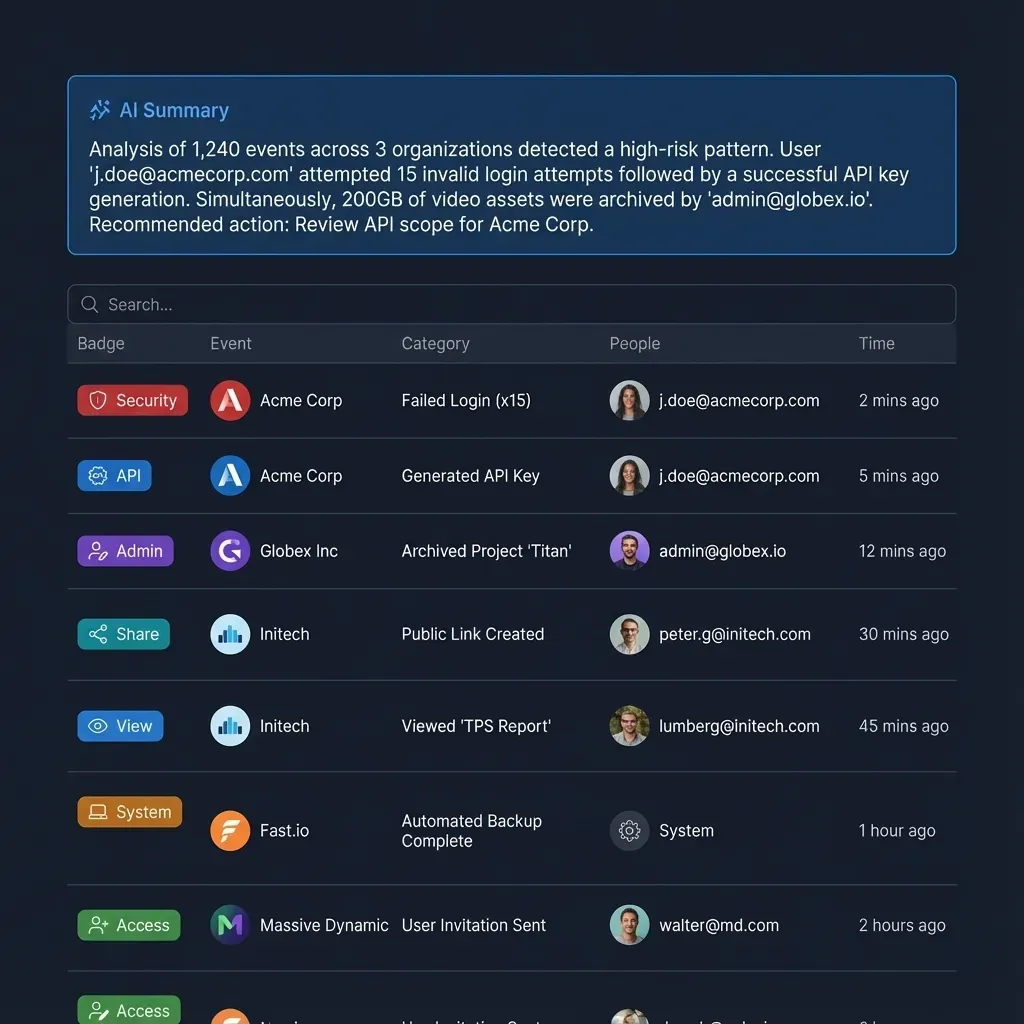
A shared workspace is the base of any agent workflow. Agents and humans need a place to collaborate on files. The Fastio OpenClaw skill (clawhub install dbalve/fast-io) gives your agent a persistent file system with built-in search.
This solves the "where is that doc?" problem. You can upload customer interview recordings, PDF reports, and CSV data dumps into a Fastio workspace. Your OpenClaw agent can then use the search_files and read_file tools to answer questions like "What did the enterprise customers say about the API latency?" with citations pointing back to the specific source file.
The free tier is big enough for most PMs to run their entire document workflow without hitting limits.
Key Strengths:
- Built-in RAG: Intelligence Mode indexes every file for semantic search.
- Persistent Storage: multiple free storage for keeping PRDs, assets, and meeting recordings.
- Universal Access: Files are accessible via web UI, API, and the agent simultaneously.
Key Limitations:
- No Native Editor: It is a storage and intelligence layer, not a document editor like Notion.
- Verification Required: You need to verify your email to get the full API keys.
Best For: Storing and querying product knowledge bases. Pricing: Free agent tier (50GB, 5,000 credits/month).
ClawHub Page: clawhub.ai/dbalve/fast-io
Example Workflow: The Automated Researcher
If you have a folder of competitor earnings call transcripts, you don't need to read them all. Script your OpenClaw agent to loop through each file in the Fastio workspace, extract mentions of "pricing strategy," and compare them in a new markdown file. Because files are in Fastio, the agent finds relevant context even if keywords differ.
2. Jira OpenClaw Integration (Enterprise Task Automation)
Jira is the core of engineering work, but keeping it updated takes time. The Jira integration for OpenClaw allows your agent to work as a project coordinator.
Instead of manually grooming the backlog, tell your agent: "Find all tickets in the 'Backlog' status that haven't been updated in multiple days and ask the reporter for a status update." The agent uses the Jira API to query issues, post comments, and change ticket statuses based on your rules.
This stops the "ticket rot" that slows down projects.
Key Strengths:
- Search: Supports complex JQL queries to find specific subsets of work.
- Actionable: Can edit fields, assign users, and transition issues.
- Smart: Can read ticket history to understand the "why" behind decisions.
Key Limitations:
- Complex Setup: Requires configuring granular API tokens and permissions in Atlassian admin.
- Rate Limits: Heavy bulk operations might hit Jira's API rate limits.
Best For: Automating backlog grooming and sprint hygiene. Pricing: Uses standard Jira API quota (included in most plans).
Example Workflow: The Stale Ticket Cleaner
Old tickets slow you down. Configure a weekly cron job for your agent to run this logic:
- Query Jira for tickets in "In Progress" that haven't moved in multiple days.
- Check the comments for recent activity.
- If silent, post a comment: "Is this still active? If not, please move to Backlog."
- If no reply after another week, move to "Won't Do" automatically. This keeps your board real without you playing the "bad guy."


Give Your AI Agents Persistent Storage
Connect your OpenClaw agent to Fastio for 50GB of free storage and instant RAG on your product docs. Built for openclaw integrations product managers workflows.
3. Linear OpenClaw Skill (High-Velocity Tracking)
For teams that value speed, Linear is the standard. The Linear OpenClaw skill matches the speed of the tool itself. It is built for fast triage and dev cycles.
Product managers can use this integration to automate the intake process. When a bug report comes in via a support channel, the agent can check Linear for duplicates, create a new issue with the correct labels and team assignment, and link it back to the customer conversation. It can also draft changelogs by summarizing the completed issues in a cycle.
Key Strengths:
- Fast Sync: Fast API responses make interactions feel instant.
- Knows Cycles: Understands concepts like current cycle, backlog, and roadmap.
- Drafting: Can create issue drafts for human review before finalizing.
Key Limitations:
- Rigid: Stricter workflow opinionation than Jira.
- Text-Heavy: Less support for complex attachments compared to other tools.
Best For: Startups and high-velocity engineering teams. Pricing: Free integration; requires Linear account.
ClawHub Page: Search ClawHub for "linear" to find community-maintained skills.
Example Workflow: Customer Bug Triage
When a customer reports a bug, your agent can act as the first filter.
- Read the customer report from your support tool.
- Search Linear issues for semantic matches (e.g., "login error" might match "auth failure").
- If a match exists, link the support ticket to the Linear issue to increase its priority.
- If no match, draft a new Linear issue with steps to reproduce from the chat log.
4. Notion OpenClaw Integration (Documentation & PRDs)
Notion is where product strategy lives. The Notion integration for OpenClaw makes your knowledge base an interactive database for your agent.
Take PRD synthesis. You can have your agent read through five different customer interview notes stored in Notion, identify common pain points, and draft a "Problem Statement" section for a new PRD in a specific Notion page. It turns raw data into useful insights.
Key Strengths:
- Read Databases: Can query Notion databases as structured data sources.
- Write Content: Can append content to pages without overwriting existing work.
- Formatting: Supports markdown conversion to Notion blocks.
Key Limitations:
- Context Window: Large Notion pages can consume significant token context.
- API Latency: Notion's API can be slower than Linear or Fastio.
Best For: Combining research and drafting documentation. Pricing: Free integration; requires Notion account.
ClawHub Page: Search ClawHub for "notion" to find community-maintained skills.
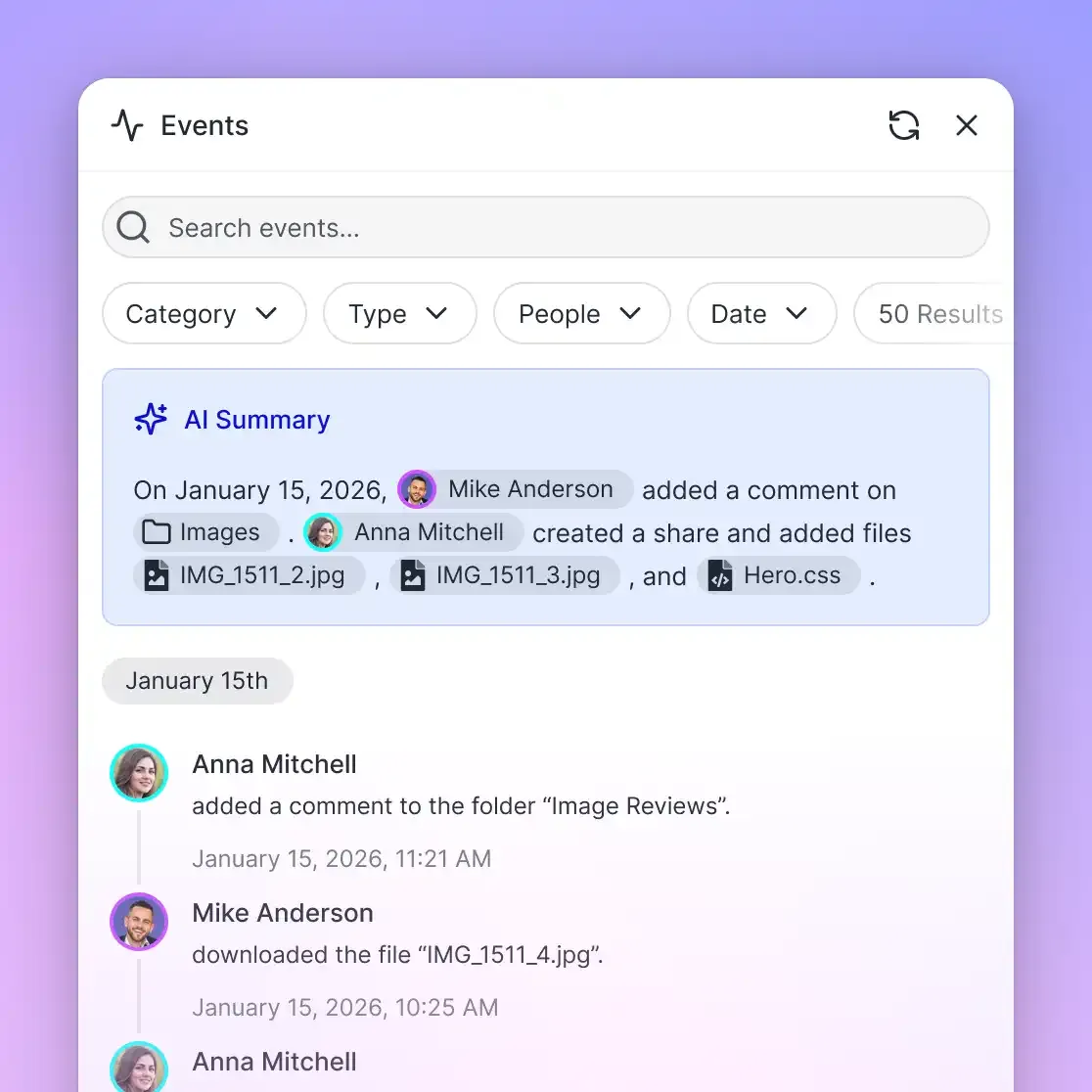
Example Workflow: Meeting Note Synthesis
PMs have too many meeting notes. Use this integration to turn text into tasks.
- Agent monitors your "Meeting Notes" database in Notion.
- At the end of the week, it reads all new entries.
- It extracts every bullet point marked as "TODO" or "Action Item."
- It compiles these into a single "Weekly Action Items" page, tagged by owner. You get a clean to-do list without copying and pasting.
5. GitHub OpenClaw Integration (Technical Context)
PMs need to know if a feature has shipped without bugging engineers. The GitHub integration lets OpenClaw agents see the codebase and deployment status.
Ask your agent, "Is the new checkout flow merged into main?" or "What PRs are currently open for the Q3 roadmap epic?" The agent checks the repository status, ensuring your product updates are based on real code, not just ticket status.
Key Strengths:
- Real Status: Checks code status, which is more reliable than ticket status.
- Summarize PRs: Can summarize the technical changes in a Pull Request for non-technical stakeholders.
- Draft Release Notes: Automates the generation of release notes from merged PRs.
Key Limitations:
- Read-Only Recommended: Giving agents write access to code repos requires careful security scoping.
- Technical Detail: Output can be too technical if not prompted correctly to summarize.
Best For: Verifying feature shipping status and release notes. Pricing: Free for public repos; GitHub Enterprise for private.
ClawHub Page: clawhub.ai/steipete/github
6. Slack OpenClaw Integration (Team Communication)
Slack is where work happens, but context gets lost. The Slack integration allows OpenClaw agents to monitor specific channels for keywords, summarize daily standups, and post automated updates.
A favorite workflow for PMs is the "Standup Summarizer." The agent reads the #daily-standup channel at multiple AM, makes a list of blockers across the team, and posts a summary to the product channel. This keeps everyone aligned without requiring a meeting.
Key Strengths:
- Live Monitoring: Can react to messages as they happen (via webhooks).
- Buttons: Can send messages with interactive buttons for approvals.
- Summarize Threads: Great for shortening long threads into decision points.
Key Limitations:
- Noise Potential: A busy agent can quickly become spammy.
- Privacy: Requires careful channel selection to avoid reading sensitive DM context.
Best For: Automating standups and team updates. Pricing: Free integration; requires Slack workspace.
ClawHub Page: clawhub.ai/steipete/slack
7. Figma OpenClaw Integration (Design Review)
Figma's MCP endpoint lets OpenClaw agents join the design review. Agents can't "see" designs, but they can read comments and layers.
PMs use this to track feedback. The agent can list all unresolved comments on a specific file and categorize them by urgency. It can also notify the team when a file status changes to "Ready for Dev," bridging the gap between design and engineering.
Key Strengths:
- Track Comments: Ensures no feedback gets lost.
- Sync Status: Can trigger workflow updates when design status changes.
- Find Assets: Can help identify exportable assets for developers.
Key Limitations:
- No Visual QA: Cannot verify if the design "looks right" visually.
- Complex Files: Large Figma files may time out during API fetching.
Best For: Tracking design feedback and handoff status. Pricing: Free integration; requires Figma account.
ClawHub Page: Search ClawHub for "figma" to find community-maintained skills.
8. Productboard OpenClaw Integration (Strategic Roadmap)
For roadmapping, Productboard is a top choice. The integration allows OpenClaw agents to push insights from various sources directly into Productboard's "Insights" inbox.
If you receive a feature request in Intercom or Slack, your agent can push it to Productboard with a tag and a sentiment score. This ensures your roadmap is based on user data, not just guesses.
Key Strengths:
- Capture Insights: Centralizes feedback from all other channels.
- Score Features: Helps score features based on connected feedback volume.
- Check Roadmap: Can query the current roadmap to answer stakeholder questions.
Key Limitations:
- Enterprise Focus: Best suited for larger product teams with structured processes.
- Setup: Requires mapping external fields to Productboard's data model.
Best For: Centralizing user feedback and roadmap visibility. Pricing: Requires Productboard subscription.
ClawHub Page: Search ClawHub for "productboard" to find community-maintained skills.
Which OpenClaw Integration Should You Start With?
For most PMs, start with Fastio for organizing documents and Linear/Jira (depending on your stack) for tracking work. These two cover the core "Plan" and "Execute" loops of product management. Start by automating one simple pain point, like summarizing customer interviews. Then expand your agent's responsibilities as you trust it more. The goal isn't to replace the PM. It's to free you to do the strategic work algorithms can't.
Frequently Asked Questions
What is the best OpenClaw integration for Jira?
The standard Jira MCP server is the best option. It supports JQL queries, issue transitions, and comment management, allowing agents to perform complex backlog grooming tasks that simple webhooks can't handle.
Can OpenClaw agents write PRDs?
Yes, using the Notion or Fastio integrations. Agents can read raw research notes, identify patterns, and draft structured Product Requirement Documents (PRDs) following your templates, though a human should always review the final strategy.
How do I install the Fastio ClawHub skill?
Run `clawhub install dbalve/fast-io` in your OpenClaw terminal. You'll need a free Fastio account to generate the API key, which grants your agent access to multiple of persistent storage and RAG capabilities.
Are these OpenClaw integrations free?
Most integration skills themselves are free and open-source. However, they typically require you to have a paid account with the underlying service (like Jira, Notion, or Productboard) to access their APIs.
How secure are OpenClaw integrations?
Security depends on the specific skill and API permissions you grant. OpenClaw runs locally, so data stays on your machine unless sent to an API. Always use scoped API tokens with the minimum necessary permissions (e.g., read-only access for GitHub).
Related Resources

Give Your AI Agents Persistent Storage
Connect your OpenClaw agent to Fastio for 50GB of free storage and instant RAG on your product docs. Built for openclaw integrations product managers workflows.