Best MEGA Alternatives for Business Teams in 2026
MEGA offers 20GB of free storage with end-to-end encryption, but its bandwidth limits and lack of business features make it a poor fit for teams. This guide compares the best MEGA alternatives for businesses that need branded delivery, team collaboration, and predictable pricing.
Why Look for a MEGA Alternative?
MEGA built its reputation on generous free storage and zero-knowledge encryption. For personal use, it works. But business teams hit walls quickly.
The main problems with MEGA for business:
- Bandwidth limits: MEGA's transfer quotas reset every 6 hours. Download a few large files and you're locked out until the timer resets. For teams sharing project files daily, this kills productivity.
- No team collaboration: MEGA treats every account separately. There's no real-time presence, no shared workspaces, no way to see who's working on what.
- Files tied to personal accounts: When someone leaves your company, their files go with them. There's no organization-level ownership.
- Basic sharing options: You can share links, but there's no branded portals, no client-facing delivery experience, no deal intelligence. If you're running a creative agency, law firm, or any team that shares files with clients, MEGA's consumer focus becomes a liability.
Helpful references: Fast.io Workspaces, Fast.io Collaboration, and Fast.io AI.
What Makes a Good MEGA Alternative for Teams?
Before comparing options, here's what matters for business file sharing:
Team-Centric Architecture
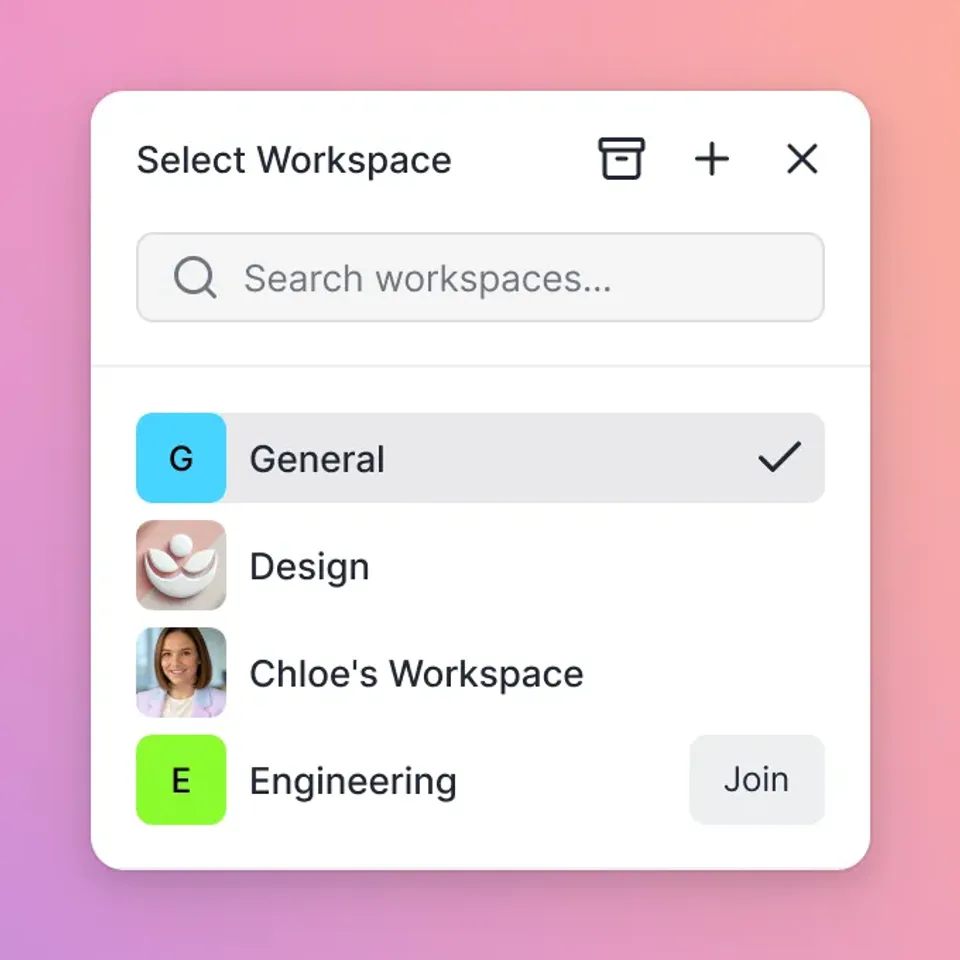
Look for platforms where files belong to the organization, not individuals. When an employee leaves, their work should stay. Shared workspaces should be the default, not an afterthought.
Predictable Pricing
Per-seat pricing punishes growing teams. A 50-person company paying published pricing/month spends $750 monthly just for storage access. Usage-based models let you pay for what you actually store and transfer.
Client-Facing Features
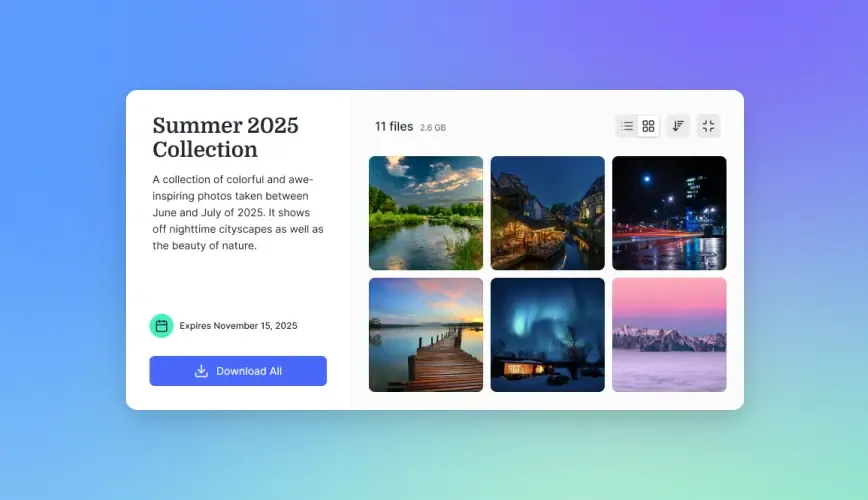
If you send files to clients, you need more than links. Branded portals, download tracking, expiration controls, and password protection show clients you're organized.
Media Handling
Video files shouldn't require downloads for preview. HLS streaming lets clients watch video instantly, with adaptive bitrate for any connection speed.


Start with mega alternative on Fast.io
Fast.io gives teams shared workspaces, MCP tools, and searchable file context to run mega alternative workflows with reliable agent and human handoffs.
7 Best MEGA Alternatives Compared
Here's how the top MEGA alternatives stack up for business use:
Fast.io
Built for teams that share files with clients. Unlike MEGA's consumer focus, Fast.io starts with organization-owned workspaces. Files belong to your company, not individual accounts. Key differences from MEGA:
- No bandwidth limits: Share as much as you need without hitting transfer caps
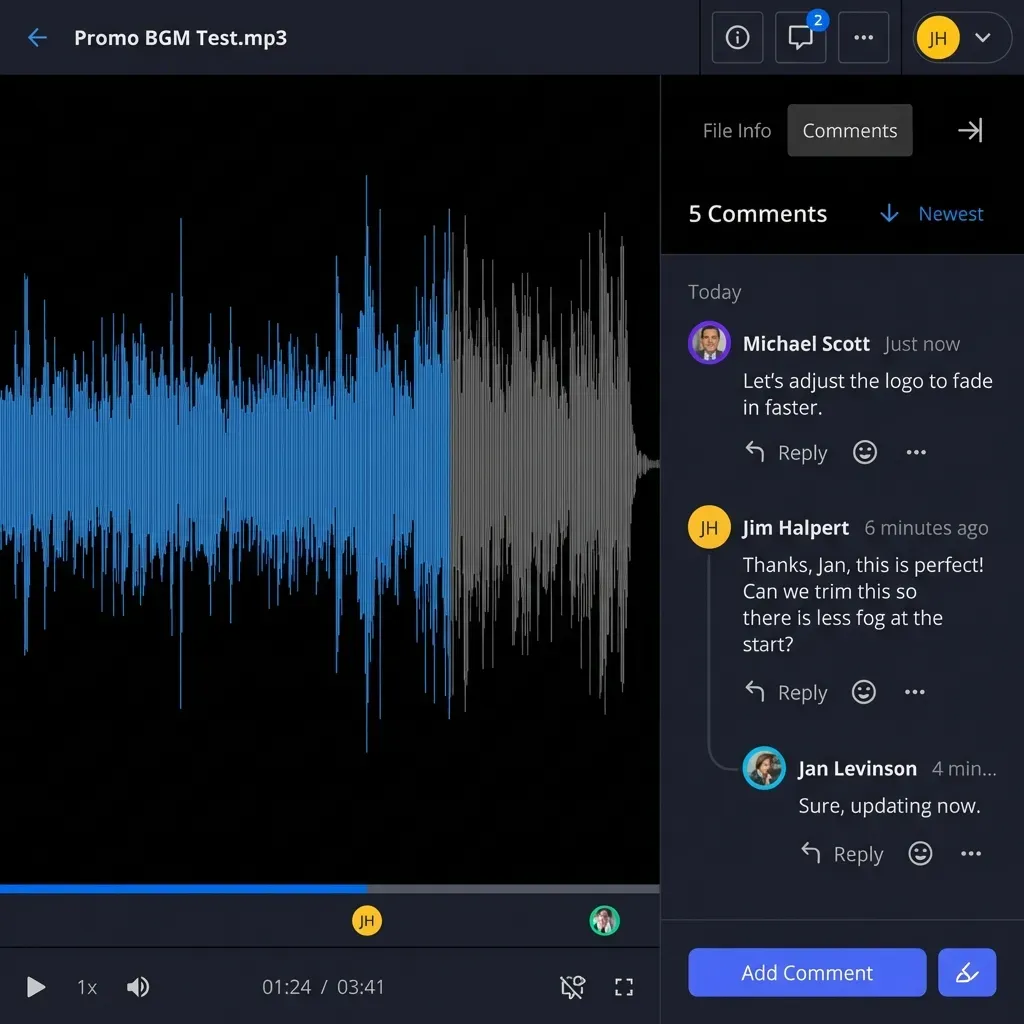
- Real-time collaboration: See who's in a workspace, follow their view, comment on specific file regions
- Branded client portals: White-label delivery with your logo, colors, and domain
- HLS video streaming: Clients watch video instantly without downloading
Pricing uses credits based on storage and transfer, not per-seat fees. A 25-person team can cost 70% less than equivalent Dropbox or Box plans.
Dropbox
The original cloud folder. Dropbox works reliably for syncing files across devices. But it's built on a sync model that creates conflicts when multiple people edit simultaneously. Per-user pricing adds up fast for larger teams.
Google Drive
If your team already uses Google
Workspace, Drive makes sense. The 15GB free tier is generous. But Drive's folder chaos and personal-account architecture create the same ownership problems as MEGA.
pCloud
pCloud's lifetime plans appeal to people who hate subscriptions. Pay once, use forever. But team features are basic, and there's no client-facing delivery experience.
Sync.com
Strong zero-knowledge encryption for privacy-focused teams. But the interface feels dated, and there's no real-time collaboration or media streaming.
OneDrive
Microsoft's answer to Dropbox. Integrates well with Office 365. But SharePoint complexity lurks underneath, and per-user pricing applies.
Nextcloud
Self-hosted and open source. Full control over your data. But you're responsible for hosting, maintenance, security updates, and scaling. Not practical for most teams.
MEGA vs Fast.io: Feature Comparison
Here's a direct comparison of MEGA and Fast.io for common business scenarios:
When MEGA Makes Sense
MEGA works for personal backups and privacy-conscious individuals who want zero-knowledge encryption and don't need collaboration features. The 20GB free tier is hard to beat for personal use.
When Fast.io Fits Better
Fast.io targets teams that:
- Share large files with clients regularly
- Need branded, professional delivery experiences
- Want to avoid per-seat pricing as they grow
- Work with video and need instant streaming playback
- Require audit trails and engagement analytics
Common Questions About MEGA Alternatives
Is MEGA cloud safe? MEGA uses end-to-end encryption, meaning even MEGA can't read your files. But encryption alone doesn't equal security. Researchers have previously found vulnerabilities in MEGA's encryption implementation. The company patched the issues, but it highlighted that no service is immune to security problems. For business use, consider whether you need zero-knowledge encryption (where even the provider can't access files) or whether standard encryption with audit logs, SSO integration, and granular permissions better fits your compliance needs.
What are the disadvantages of MEGA? The main drawbacks for business users:
- Transfer quotas: Download limits that reset every 6 hours
- No team ownership: Files belong to individual accounts
- Basic collaboration: No real-time features, limited commenting
- Consumer focus: No branded portals, deal rooms, or client delivery features
Is there anything better than MEGA? Depends on what you need. For personal encrypted backup, MEGA is solid. For team file sharing and client delivery, several alternatives offer more business-focused features. Fast.io, Dropbox Business, and Box all provide team administration, client portals, and collaboration tools that MEGA lacks.
How to Migrate from MEGA
Moving files from MEGA to a new platform takes planning. Here's a practical approach:
1. Audit Your Current Usage
Log into MEGA and check your storage usage. Note which folders contain active projects versus archives. Identify files shared with external collaborators.
2. Set Up Your New Workspace Structure
Before migrating files, create your workspace organization in the new platform. Fast.io uses shared workspaces rather than personal folders. Plan who needs access to what.
3. Transfer in Batches
Download files from MEGA during off-peak hours to avoid bandwidth limits. Upload to your new platform in logical batches, project by project.
4. Update Shared Links
Any links you've shared will break after migration. Identify critical shared content and create new links in your destination platform. Notify recipients of the change.
5. Run Both Platforms Temporarily
Keep MEGA active temporarily after migration. This catches any files or links you missed and gives collaborators time to update bookmarks.
Choosing the Right Alternative for Your Team
The best MEGA alternative depends on your specific situation:
Choose Fast.io if you share files with clients, work with video content, or want usage-based pricing that doesn't punish team growth. The combination of HLS streaming, branded portals, and real-time collaboration makes it well-suited for creative agencies, legal firms, and media companies.
Choose Dropbox if your team needs a familiar interface and doesn't send files to clients often. It works, even if nothing's changed in years.
Choose Google Drive if you're already embedded in Google Workspace and need document collaboration more than file delivery.
Choose Nextcloud if you have technical staff and need complete control over your data on your own servers.
Stay with MEGA if you're an individual user who prioritizes free storage and zero-knowledge encryption over team features. Try the platforms that fit your budget and workflow before committing. Most offer trials.
Frequently Asked Questions
Is MEGA cloud safe?
MEGA uses end-to-end encryption, so even MEGA cannot read your files. However, security researchers have found vulnerabilities in MEGA's encryption implementation that have since been patched. For business use, evaluate whether you need zero-knowledge encryption or whether standard encryption with enterprise features like SSO and audit logs better serves your security requirements.
What are the disadvantages of MEGA?
MEGA's main drawbacks for business users include bandwidth limits that reset every 6 hours, files tied to personal accounts rather than organization ownership, limited team collaboration features, and no client-facing delivery options like branded portals or deal rooms.
Is there anything better than MEGA?
For personal encrypted backup, MEGA is competitive. For business teams, alternatives like Fast.io, Dropbox Business, and Box offer team administration, real-time collaboration, client portals, and professional delivery features that MEGA lacks.
What is the best free MEGA alternative?
Google Drive offers 15GB free with strong integration into Google Workspace. pCloud offers 10GB free with optional lifetime plans. For business features without per-seat costs, Fast.io offers trial access to evaluate team collaboration and client delivery capabilities.
Can I use MEGA for business?
MEGA offers business plans, but its architecture remains consumer-focused. Files belong to individual accounts, collaboration is limited, and there's no client-facing delivery experience. Teams sharing files with clients or collaborating in real-time typically outgrow MEGA quickly.
Related Resources

Start with mega alternative on Fast.io
Fast.io gives teams shared workspaces, MCP tools, and searchable file context to run mega alternative workflows with reliable agent and human handoffs.