How to Create a Digital Press Kit That Gets Media Coverage
A digital press kit (EPK) is a collection of promotional materials like bios, photos, videos, and press releases, organized in a shareable online format for media and partners. This guide covers what to include, how to organize your assets, and the best methods for delivering press kit materials to journalists.
What Is a Digital Press Kit?
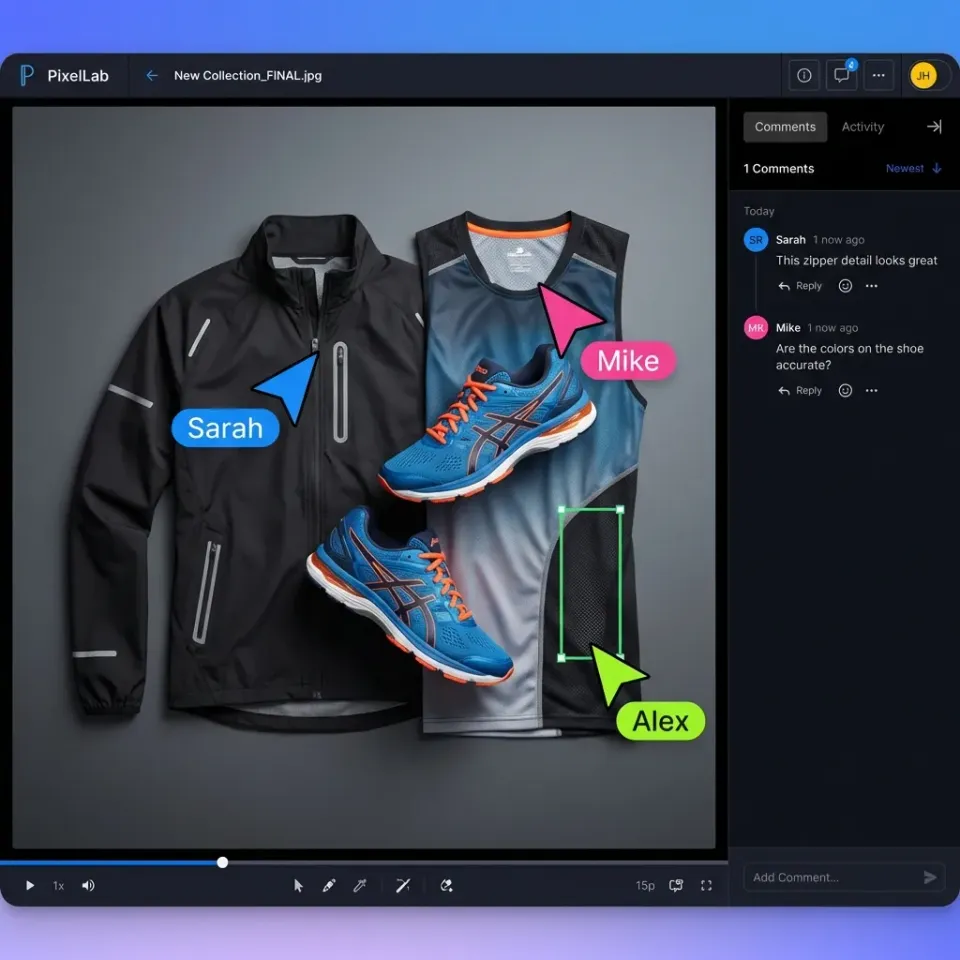
A digital press kit is an online collection of everything a journalist needs to write about your company, product, or project. It replaces the old-fashioned folder of printed materials with a web-accessible package of logos, photos, videos, company information, and press releases. The goal is simple: remove friction. When a reporter is on deadline, they need to grab your logo, find a quote, and get basic facts without emailing back and forth. A well-organized press kit makes their job easier, which means better coverage for you. Press kits can become quite large depending on video and image assets. File size matters when choosing how to share them.
Helpful references: Fast.io Workspaces, Fast.io Collaboration, and Fast.io AI.
Essential Components of a Digital Press Kit
Every press kit needs these core elements:
Company Information
- Boilerplate (2-3 sentence company description)
- Founding story and key milestones
- Mission statement or value proposition
- Key statistics (users, revenue, growth metrics)
Visual Assets
- Logo files in multiple formats (PNG, SVG, EPS)
- Product screenshots or photos
- Team headshots
- Lifestyle images showing your product in use
Press Materials
- Recent press releases (last few months)
- Media coverage highlights with links
- Fact sheet or one-pager
People
- Executive bios (CEO, founders, spokespeople)
- Contact information for your PR team
- Social media handles
Multimedia (if applicable)
- Product demo videos
- B-roll footage
- Audio clips or podcast appearances
Press Kit Organization That Journalists Prefer
How you organize matters as much as what you include. Journalists are busy. They scan, they don't read carefully.
Use clear folder names. "Logos" beats "Brand Assets." "Press Releases" beats "News & Updates." Name folders for what they contain, not what you think sounds professional.
Separate by media type. Keep images, videos, and documents in their own folders. A reporter looking for your logo shouldn't have to scroll past numerous videos to find it.
Include a README file. A short text document at the top level that explains what's in the kit and who to contact for questions. This takes just a few minutes to write and saves reporters from hunting through folders.
Provide multiple image sizes. Include both high-resolution print versions (large dimensions) and web-optimized versions (smaller files). Label them : "logo-print.png" and "logo-web.png."


Collaborate on Files with Your Team
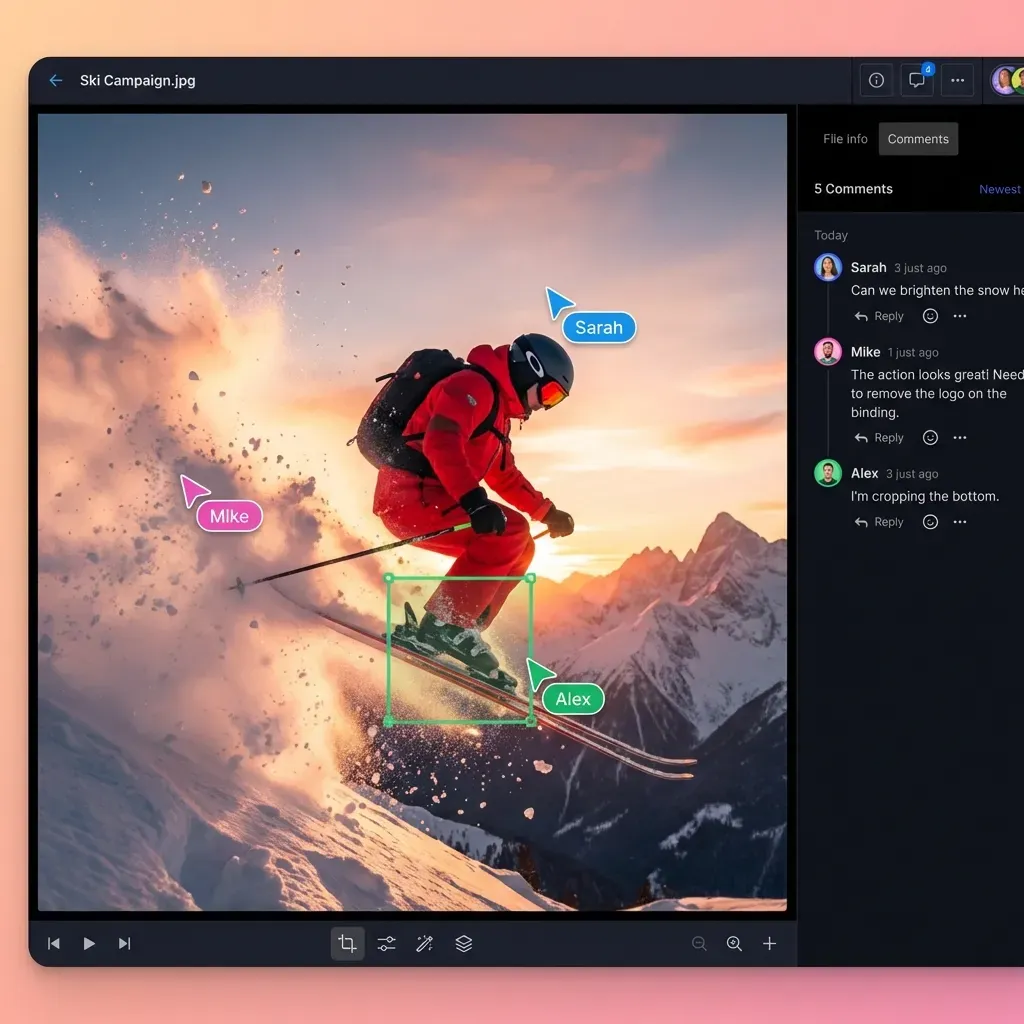
Fast.io delivers large files to journalists instantly. No logins, no expired links, no email attachment limits.
How to Share Your Press Kit Effectively
This is where most guides fall short. You've assembled great materials, but how do you actually get them to journalists?
Email attachments don't work. Most email providers cap attachments at 25MB. Your press kit is likely much larger than that. And even if you could send it, clogging a journalist's inbox with a huge attachment is a fast way to get ignored.
Cloud folder links have problems too. Dropbox and Google Drive links work for small files, but journalists report frustration with:
- Having to request access
- Files disappearing when links expire
- Needing to create accounts to download
- Slow downloads for large video files
What journalists actually want:
- Direct download links (no login required)
- Files that stay available indefinitely
- Fast downloads, especially for video
- The ability to preview before downloading
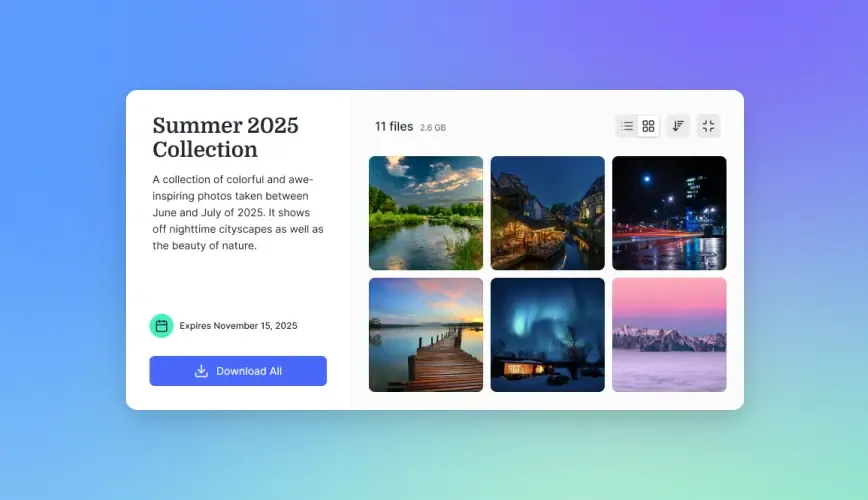
A file delivery platform built for large assets fixes this. You get a permanent link, recipients preview files before downloading, and video streams without waiting for a full download.
What Is an EPK in Music?
In the music industry, EPK stands for Electronic Press Kit. It's the same concept as a general press kit but tailored for artists, bands, and labels. A music EPK typically includes:
Audio
- Latest singles or album tracks (streaming and downloadable)
- Previous releases or discography highlights
Visual
- Professional press photos (multiple options, various orientations)
- Album artwork
- Music videos
- Live performance footage
Written Materials
- Artist bio (short and detailed versions)
- Genre and style description
- Influences and comparisons
- Tour history and upcoming shows
Social Proof
- Streaming numbers (Spotify monthly listeners, YouTube views)
- Press quotes and reviews
- Notable playlists or radio play
For musicians, file delivery is especially important. Music industry press kits often include high-bitrate audio files and high-resolution video that can total several gigabytes.
Creating a Branded Press Page
Beyond a downloadable press kit, consider setting up a permanent press page on your website. This serves as the always-available home for media resources.
What to include on your press page:
- Company overview and key facts
- Downloadable press kit link
- Embedded logos and images (with download buttons)
- Recent press coverage with links
- Media contact form or email
Keep it updated. Nothing signals "we don't care about PR" like a press page with outdated press releases. Set a calendar reminder to review quarterly.
Make assets easy to grab. Don't make journalists right-click and "Save Image As." Provide explicit download buttons with clear file format labels. The press page is where you send journalists who want to learn more. The downloadable press kit is what you send when they're ready to write.
Measuring Press Kit Engagement
How do you know if journalists are using your press kit? Basic file hosting tells you nothing. You upload, send links, and never hear back. Better solutions offer analytics that show:
- How many times your kit was viewed
- Which files were downloaded
- How long visitors spent reviewing materials
- Whether they previewed videos before downloading
This tells you what's working. If everyone downloads your logo but nobody touches your videos, your video content might need work. If a particular press release gets heavy traffic, you know that angle resonates. Analytics also help with follow-up. If a journalist viewed your kit yesterday but didn't download anything, a gentle check-in makes sense. If they downloaded everything, they might be close to publishing.
Frequently Asked Questions
What should be in a digital press kit?
A digital press kit should include your company boilerplate, logo files in multiple formats, high-resolution photos, executive bios, recent press releases, media coverage highlights, key company statistics, and contact information for your PR team. For product companies, add screenshots and demo videos. The goal is giving journalists everything they need to write about you without back-and-forth emails.
How do I make a digital press kit?
Start by gathering your core assets: logos, photos, bios, and press releases. Organize them into labeled folders (Logos, Photos, Press Releases, Bios). Write a short README file explaining what's included. Then choose a sharing method that allows easy downloads without requiring logins. Avoid basic email attachments since press kits are too large for email.
What is an EPK in music?
EPK stands for Electronic Press Kit. In the music industry, an EPK includes artist bios, professional photos, music samples, music videos, streaming statistics, press quotes, and tour information. Musicians use EPKs when pitching to venues, labels, press, and playlist curators. Music EPKs often include high-bitrate audio and high-resolution video files.
How big should a press kit be?
Press kits range widely in size depending on video and high-resolution imagery. Text documents and logos take little space, but video assets add up quickly. Provide both high-resolution originals and compressed versions so journalists can choose based on their needs.
Should I put my press kit behind a login?
No. Requiring journalists to create accounts or request access adds friction and reduces the chance they'll use your materials. The best practice is providing direct download links that work immediately. If you need to track who accesses your kit, use a platform that offers analytics without requiring visitor logins.
Related Resources

Collaborate on Files with Your Team
Fast.io delivers large files to journalists instantly. No logins, no expired links, no email attachment limits.