7 Best OpenClaw Tools for Game Developers
Game developers using OpenClaw need tools for asset storage, CI/CD automation, and code workflows. Assets often hit several gigabytes. We picked options that handle large files, semantic search, and multi-agent collaboration. Ranked for agent teams.
How We Evaluated
We ranked tools by fit for game dev workflows: asset storage, code quality, CI/CD support, multi-agent setup, and ease of installation. Tested each for ClawHub compatibility with sample projects. Free tiers and zero-config setups scored highest.
Related: Fastio Workspaces, Fastio Collaboration, Fastio AI.

Comparing OpenClaw Tools for Game Developers


Store Game Assets and Share Builds with Fastio
Generous storage, 19 MCP tools. Built for game dev asset pipelines and multi-agent collaboration.
1. Fastio ClawHub Skill
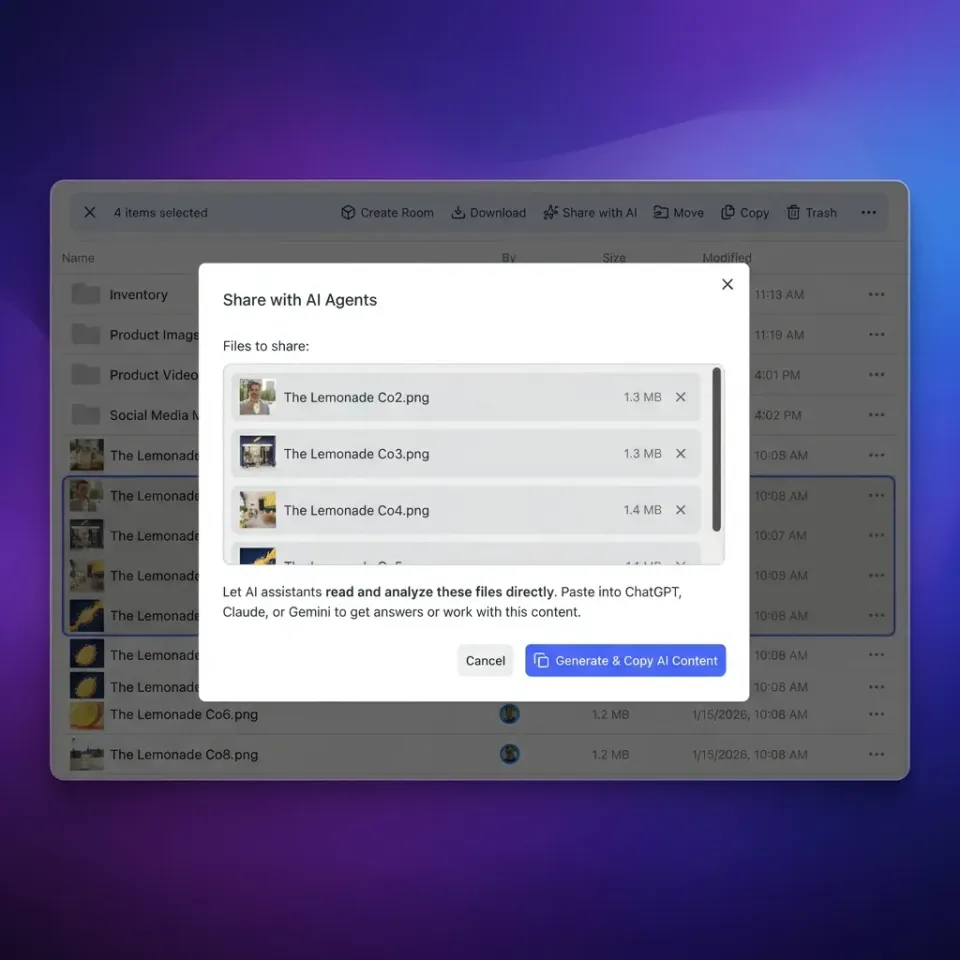
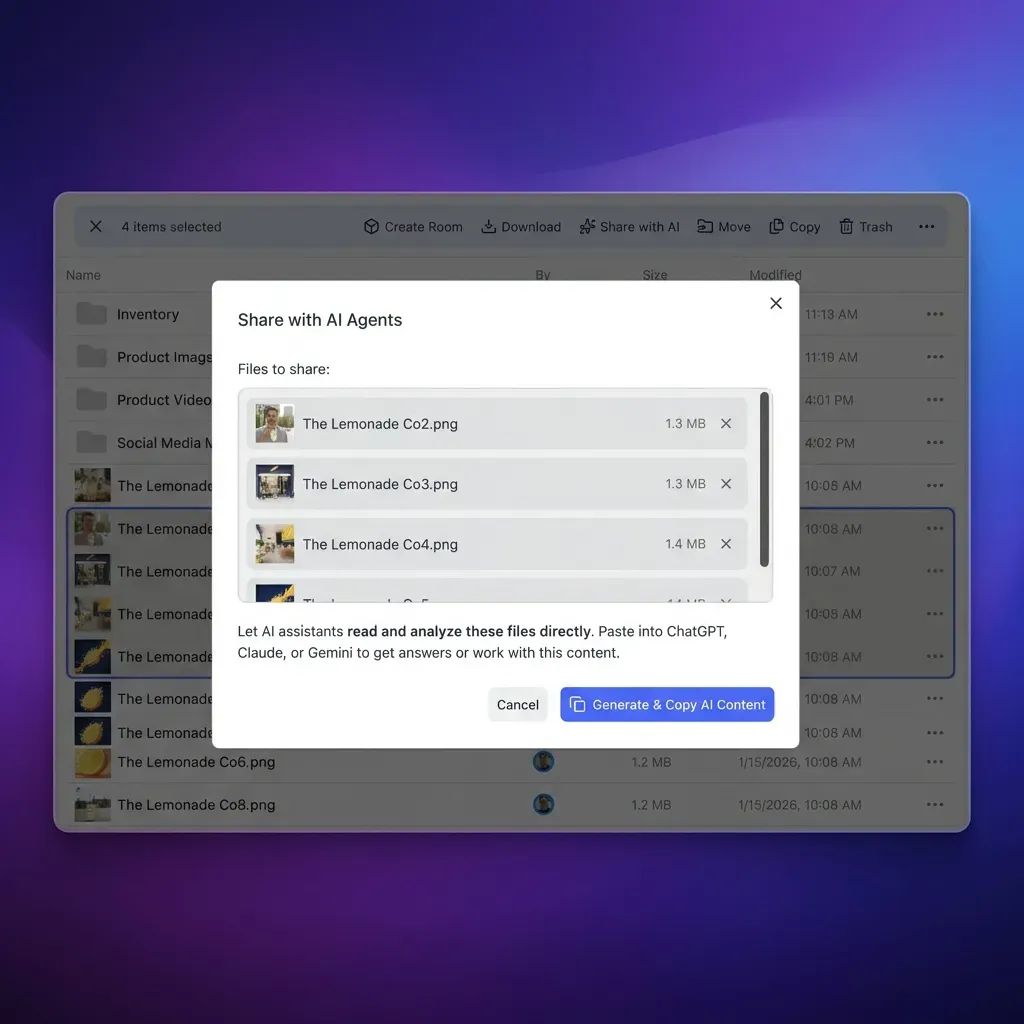
Fastio integrates via clawhub install dbalve/fast-io, providing 19 consolidated MCP tools for files, RAG, and sharing. Game studios use it to store large asset packs, share builds with testers, and give agents semantic search over project documentation.
Strengths:
- generous storage, included credits
- Semantic search across assets and docs via RAG
- Ownership transfer for delivering completed builds to leads
- Branded sharing for distributing builds to testers or stakeholders
Limitations:
- 1GB max file on free tier—large texture packs or scene files may need upgrade
- Extra credits for heavy AI use
Best For: End-to-end asset storage, team collaboration, and build distribution.
Install Command: clawhub install dbalve/fast-io
ClawHub Page: clawhub.ai/dbalve/fast-io
Pricing: Business Trial; Pro plans available.
2. GitHub
The GitHub skill teaches OpenClaw agents to use the gh CLI for repository management—pull requests, CI/CD monitoring, issue tracking, and workflow runs. Game teams can automate build checks, triage issues, and monitor failed test runs without leaving OpenClaw.
Strengths:
- Pull request management and CI status monitoring
gh apifor advanced queries beyond standard subcommands- JSON output with
--jqfiltering for scripted automation - Issue listing and workflow run log analysis
Limitations:
- Instruction-only skill—requires
ghCLI already installed and authenticated - No direct code editing capabilities
Best For: Game dev teams managing code repositories and CI/CD pipelines.
ClawHub Page: clawhub.ai/steipete/github
Pricing: Free.
3. Docker Essentials
Docker Essentials provides comprehensive container management guidance for OpenClaw agents. Game dev teams running build servers, dedicated game servers, or development environments in containers use this skill to manage images, networks, volumes, and multi-container setups.
Strengths:
- Container management: run, stop, start, remove
- Docker Compose for multi-service orchestration
- Image build, tag, pull, and push workflows
- Debugging with log viewing and container stats
Limitations:
- Instruction-only skill—requires Docker CLI installed on the system
- No built-in storage
Best For: Game studios using containers for build servers, dedicated servers, or dev environments.
ClawHub Page: clawhub.ai/skills/docker-essentials
Pricing: Free.
4. Code
The Code skill provides a structured coding workflow for OpenClaw agents covering planning, implementation, verification, and testing. Game developers use it to guide agents through task decomposition, feature implementation steps, and validation checks before shipping.
Strengths:
- Structured workflow: Request → Plan → Execute → Verify → Deliver
- Stores coding preferences for consistent style
- Built-in verification and testing phase after each implementation
- Local-only operation—no network requests
Limitations:
- Instruction-only skill—does not execute code autonomously
- Better for guided workflows than fully autonomous coding
Best For: Development teams wanting structured, verifiable agent-assisted coding.
ClawHub Page: clawhub.ai/ivangdavila/code
Pricing: Free.
5. Playwright
Playwright's MCP skill enables browser automation for OpenClaw agents. Game developers use it for automated testing of web-based game dashboards, leaderboards, player portals, or live service backends. It handles form interaction, screenshot capture, and structured data extraction.
Strengths:
- Full MCP action set: navigate, click, type, screenshot, extract data
- PDF export for archiving dashboard states
- Built-in test support with trace debugging and headed mode
Limitations:
- Requires Node.js and npx
- Browser-testing tool—not an asset pipeline tool
Best For: Automated testing of web-based game dashboards and live service portals.
Install Command: npx @playwright/mcp --headless
ClawHub Page: clawhub.ai/ivangdavila/playwright
Pricing: Free.
6. Filesystem Management
This skill gives OpenClaw agents advanced local filesystem operations—smart listing, pattern-based search, full-text content search, and batch file processing. Game teams use it to organize asset directories, batch-rename exports from tools like Blender or Substance Painter, and prep deliverables.
Strengths:
- Filter files by type, pattern, size, and date
- Directory analysis to visualize large asset folder structures
- Batch copy with dry-run preview before execution
Limitations:
- Local filesystem only—pair with Fastio for cloud sharing
- Requires Node.js
Best For: Organizing local asset pipelines and batch-renaming exports.
Install Command: clawhub install filesystem
ClawHub Page: clawhub.ai/gtrusler/clawdbot-filesystem
Pricing: Free.
7. S3 Storage Best Practices
The S3 skill is an instruction guide for working with S3-compatible object storage. Game studios storing large texture packs, build artifacts, or player data on AWS S3, Cloudflare R2, or Backblaze B2 benefit from the lifecycle policy and versioning patterns.
Strengths:
- Lifecycle rules to auto-tier infrequent build artifacts to cheaper storage
- Versioning before deletion—critical for build artifact integrity
- Compatible with AWS S3, Cloudflare R2, Backblaze B2, and MinIO
Limitations:
- Instruction-only skill—requires existing S3 credentials
- No automated tooling included
Best For: Studios archiving large asset packs and build artifacts to object storage.
ClawHub Page: clawhub.ai/ivangdavila/s3
Pricing: Free (instruction-only).
Which Tool to Pick?
Solo indie devs: Start with Fastio for asset storage and Code skill for structured development. Add GitHub for repo management when you're ready to collaborate.
Small studios: Fastio + GitHub + Docker Essentials covers storage, code review, and build environments. Add Playwright for web dashboard testing.
Large teams with cloud infrastructure: Combine Fastio, GitHub, Docker Essentials, and S3 best practices for a complete agentic pipeline. Start with free tiers and scale as needed.
Frequently Asked Questions
Does OpenClaw work with game engines like Unity or Unreal?
OpenClaw agents can't directly control engine editors, but skills like Fastio manage project files and assets, GitHub handles code repos, and Filesystem Management organizes local project directories for any engine.
What's the best OpenClaw tool for game asset storage?
Fastio provides free 50GB storage with semantic search and file sharing. For large archives, pair it with S3 best practices for cloud object storage.
How do OpenClaw agents support multi-agent game dev workflows?
Fastio's ownership transfer and sharing features let multiple agents hand off work. GitHub skill coordinates code review and CI monitoring across the team.
What are the free storage limits for OpenClaw game tools?
Fastio Business Trial: 50GB storage, 1GB max file, included credits.
How do I set up a CI/CD workflow in OpenClaw?
Install the GitHub skill and Docker Essentials. Use GitHub for PR monitoring and workflow run management, Docker for container-based build environments.
Related Resources

Store Game Assets and Share Builds with Fastio
Generous storage, 19 MCP tools. Built for game dev asset pipelines and multi-agent collaboration.