Best MCP Servers for Logistics Operations
MCP servers equip logistics AI agents with real-time tracking and ERP access. They handle inventory checks, route planning, supply chain coordination. McKinsey says AI cuts logistics costs 15%. This guide reviews top options, focusing on multi-agent collaboration in shared workspaces.

How We Evaluated MCP Servers for Logistics
Logistics needs solid tools for inventory, route planning, supply chain tracking. We picked servers with good multi-agent support, real-time data access, ERP integration. Criteria: tool count, free tiers, file handling for manifests/reports, workspace sharing for agent teams.
Other points: tracking APIs, stock database connectors, scaling for peak times, security for shipment data. Tested with common LLMs, agent frameworks. Best servers let agents team up without custom setup.
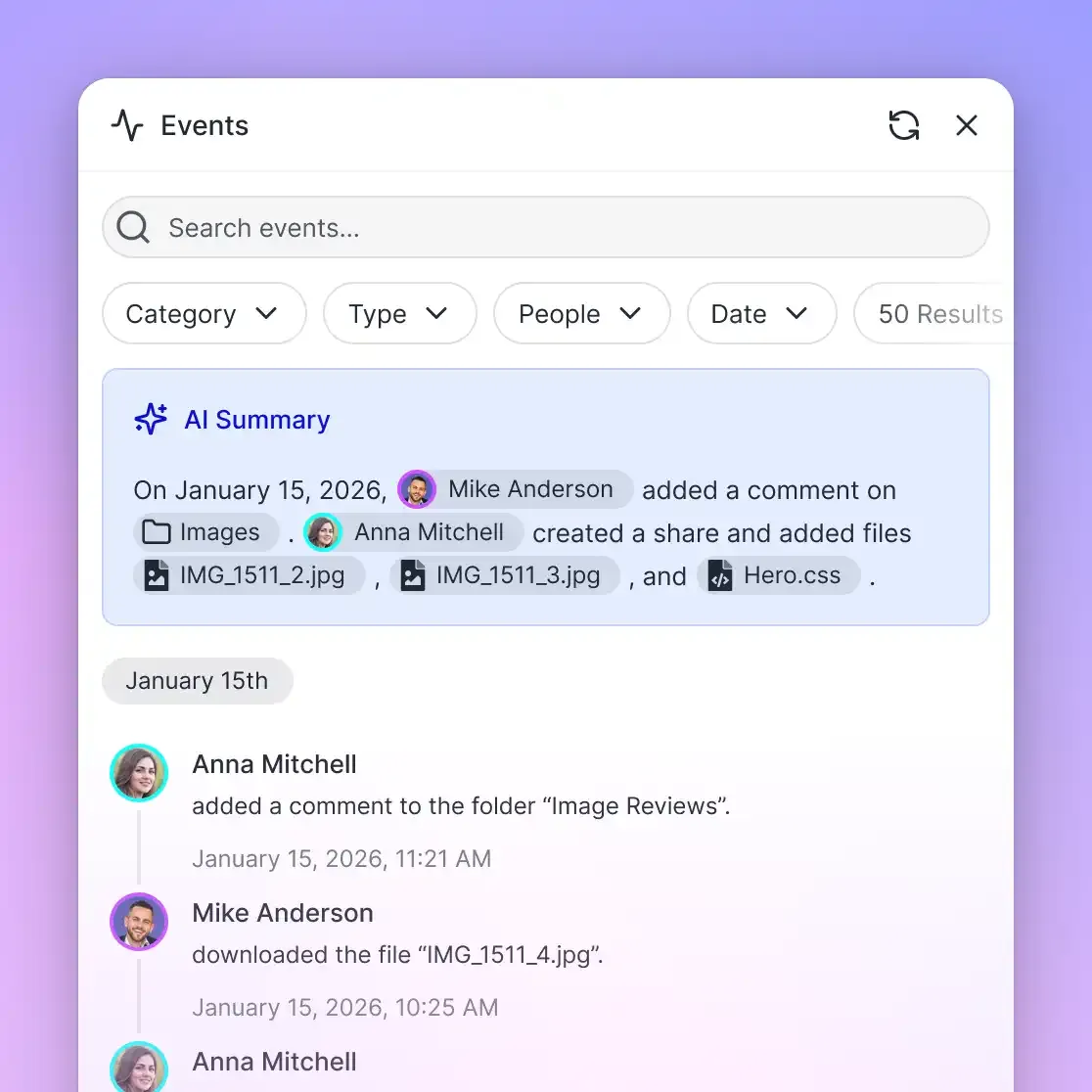
Fast.io MCP has multiple tools for file ops, webhooks, shared intelligence. Good fit for supply chain agents passing data from inventory to delivery.
Helpful references: Fast.io Workspaces, Fast.io Collaboration, and Fast.io AI.
Practical execution note for best mcp servers for logistics: define a baseline process, assign ownership, and document fallback behavior when dependencies fail. Run a pilot with a small team, collect concrete metrics, and compare throughput, error rate, and review time before broad rollout. After rollout, keep a living checklist so future contributors can repeat the workflow without re-learning critical constraints.
What to check before scaling best mcp servers for logistics
| Server | Tool Count | Multi-Agent Workspaces | Logistics Fit | Free Tier | Pricing |
|---|---|---|---|---|---|
| Fast.io | 251 | Yes (shared intel) | Supply chain files | 50GB/5k credits | Usage-based |
| Google Maps | 20+ | No | Routing/tracking | Limited | Pay-per-use |
| Postgres | Full SQL | Partial (via DB) | Inventory DB | Open source | Hosting costs |
| GitHub | 50+ | No | Scripts/CI | Free public | published pricing/mo |
| Docker Hub | Container tools | No | Deployment | Free basic | Pro $5/mo |
| AWS | 100s | Partial (S3/ECS) | Scalable infra | Free tier | Variable |
| Slack | Chat/tools | Yes (channels) | Notifications | Free limited | published pricing/mo |
| Notion | Docs/DB | Partial | Planning | Free personal | published pricing/mo |
Practical execution note for best mcp servers for logistics: define a baseline process, assign ownership, and document fallback behavior when dependencies fail. Run a pilot with a small team, collect concrete metrics, and compare throughput, error rate, and review time before broad rollout. After rollout, keep a living checklist so future contributors can repeat the workflow without re-learning critical constraints.
1. Fast.io MCP Server
Fast.io MCP server includes multiple tools for files, workspaces, AI integration. Agents build shared spaces for logistics teams handling manifests, reports, tracking data.
Strengths:
- Shared workspaces so inventory/routing agents work on same files.
- Built-in RAG indexes shipment docs for queries like "Find delayed packages."
- Webhooks for file change notifications in workflows.
- Free agent tier: multiple storage, no credit card.
Limitations: More file/workspace focused, less native mapping/routing.
Suits multi-agent supply chains needing shared storage. Free start, usage-based pricing.
Practical execution note for best mcp servers for logistics: define a baseline process, assign ownership, and document fallback behavior when dependencies fail. Run a pilot with a small team, collect concrete metrics, and compare throughput, error rate, and review time before broad rollout. After rollout, keep a living checklist so future contributors can repeat the workflow without re-learning critical constraints.
2. Google Maps Platform MCP
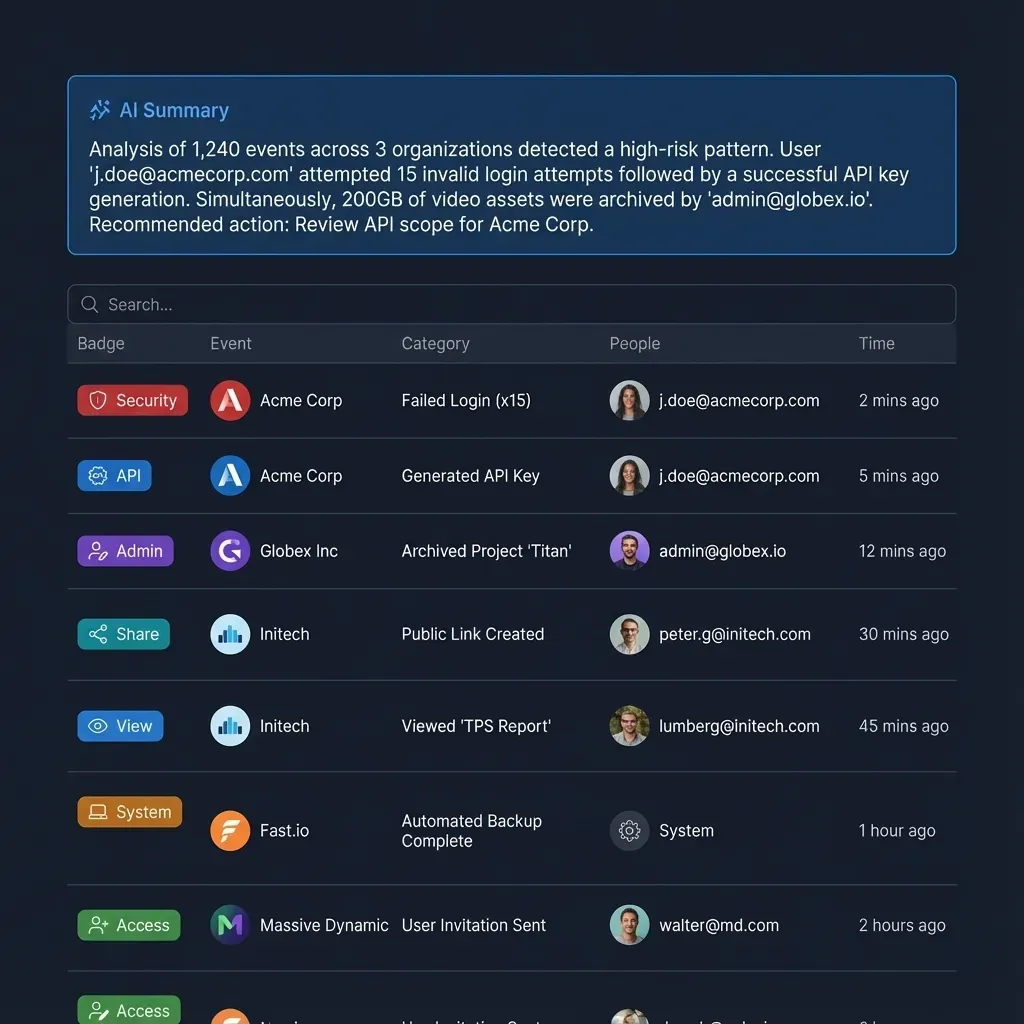
Google Maps MCP gives routing, geocoding, traffic data for delivery optimization.
Strengths:
- Real-time ETAs, route plans for fleets.
- ERP integration for address checks.
- Accurate for global ops.
Limitations: No file storage or multi-agent collaboration. High-volume costs rise.
Good for route agents. Limited free tier, then pay per request.
Practical execution note for best mcp servers for logistics: define a baseline process, assign ownership, and document fallback behavior when dependencies fail. Run a pilot with a small team, collect concrete metrics, and compare throughput, error rate, and review time before broad rollout. After rollout, keep a living checklist so future contributors can repeat the workflow without re-learning critical constraints.
3. Postgres MCP Servers
Postgres MCPs offer SQL for inventory databases, analytics.
Strengths:
- Direct queries for stock, orders, suppliers.
- ACID for safe transactions.
- Time-series extensions for tracking.
Limitations: Needs separate file storage. Agent setup takes effort.
Fits data-heavy inventory. Open source, host via Supabase (~$multiple/mo).
Define clear tool contracts and fallback behavior so agents fail safely when dependencies are unavailable. This improves reliability in production workflows.
Teams should validate this approach in a small test path first, then standardize it across environments once metrics and outcomes are stable.
Document decisions, ownership, and rollback steps so implementation remains repeatable as the workflow scales.
4. GitHub MCP
GitHub MCP manages code repos for logistics scripts, CI/CD.
Strengths:
- Version control for scripts.
- Actions for deployments.
- Marketplace integrations.
Limitations: Code-oriented, no real-time data/workspaces.
For devops in logistics. Free public repos.
Define clear tool contracts and fallback behavior so agents fail safely when dependencies are unavailable. This improves reliability in production workflows.
Teams should validate this approach in a small test path first, then standardize it across environments once metrics and outcomes are stable.
Document decisions, ownership, and rollback steps so implementation remains repeatable as the workflow scales.
Teams should validate this approach in a small test path first, then standardize it across environments once metrics and outcomes are stable.
5. Docker Hub MCP
Docker MCPs handle containers for logistics microservices.
Strengths:
- Quick deploys for tracking apps.
- Registry for images.
- Orchestration support.
Limitations: Infra focused, no built-in collaboration.
Containerized logistics tools. Free basic.
Define clear tool contracts and fallback behavior so agents fail safely when dependencies are unavailable. This improves reliability in production workflows.
Teams should validate this approach in a small test path first, then standardize it across environments once metrics and outcomes are stable.
Document decisions, ownership, and rollback steps so implementation remains repeatable as the workflow scales.
Teams should validate this approach in a small test path first, then standardize it across environments once metrics and outcomes are stable.
6. AWS MCP Servers
AWS MCPs use S3, ECS, Lambda for scalable logistics.
Strengths:
- Many services for ERP links.
- Scales for peak shipping.
Limitations: Setup complex, ties to AWS.
Enterprise scale. Limited free tier.
Define clear tool contracts and fallback behavior so agents fail safely when dependencies are unavailable. This improves reliability in production workflows.
Teams should validate this approach in a small test path first, then standardize it across environments once metrics and outcomes are stable.
Document decisions, ownership, and rollback steps so implementation remains repeatable as the workflow scales.
Teams should validate this approach in a small test path first, then standardize it across environments once metrics and outcomes are stable.
7. Slack MCP
Slack MCP connects chat for alerts, handoffs.
Strengths:
- Real-time notifications.
- Channel coordination.
Limitations: Not for files/databases.
Team comms in agents. Limited free.
Define clear tool contracts and fallback behavior so agents fail safely when dependencies are unavailable. This improves reliability in production workflows.
Teams should validate this approach in a small test path first, then standardize it across environments once metrics and outcomes are stable.
Document decisions, ownership, and rollback steps so implementation remains repeatable as the workflow scales.
Teams should validate this approach in a small test path first, then standardize it across environments once metrics and outcomes are stable.
8. Notion MCP
Notion MCP for planning docs, databases.
Strengths:
- DBs for schedules.
- Embeds for maps/reports.
Limitations: Not for real-time operations.
Ops planning. Free personal.
Define clear tool contracts and fallback behavior so agents fail safely when dependencies are unavailable. This improves reliability in production workflows.
Teams should validate this approach in a small test path first, then standardize it across environments once metrics and outcomes are stable.
Document decisions, ownership, and rollback steps so implementation remains repeatable as the workflow scales.
Teams should validate this approach in a small test path first, then standardize it across environments once metrics and outcomes are stable.
Which MCP Server Fits Your Logistics Needs?
Pick Fast.io for multi-agent file sharing in supply chains. Google Maps for routes, Postgres for inventory. Combine: Postgres data, Fast.io shares outputs, Maps routes.
Test free tiers. Agent teams need shared workspaces to avoid isolated data.
Define clear tool contracts and fallback behavior so agents fail safely when dependencies are unavailable. This improves reliability in production workflows.
Teams should validate this approach in a small test path first, then standardize it across environments once metrics and outcomes are stable.
Document decisions, ownership, and rollback steps so implementation remains repeatable as the workflow scales.
Teams should validate this approach in a small test path first, then standardize it across environments once metrics and outcomes are stable.
Frequently Asked Questions
What is the best MCP server for logistics?
Fast.io fits well thanks to shared workspaces for multi-agent file coordination like manifests, reports. multiple tools, free agent tier.
What MCP servers work for inventory management?
Postgres MCPs handle stock database queries. Use with Fast.io for reports and agent teamwork.
How do MCP servers support supply chain AI agents?
Provide real-time data tools. Fast.io adds shared intelligence, webhooks for workflows.
Are there free MCP servers for logistics testing?
Fast.io agent tier multiple free. Postgres open source has free hosting.
Can MCP servers handle multi-agent logistics?
Yes, Fast.io uses file locks, workspaces to avoid conflicts.
Related Resources

Build Logistics Agent Workspaces Today
50GB free storage, 251 MCP tools, no credit card. Agents share files, intelligence, workflows. Built for mcp servers logistics workflows.