Best Music Sharing Platforms for Professional Audio in 2026
A music sharing platform is a service designed to upload, store, and share audio files with collaborators, clients, or the public. This guide compares the best options for different use cases: professional audio collaboration, client delivery, and public distribution.
What Makes a Good Music Sharing Platform?
Musicians share hundreds of audio files per project, including stems, bounces, alternate takes, and final masters. Uncompressed audio files and full session folders can be large. Most "music sharing" platforms are actually streaming services built for consumers. They compress uploads to save bandwidth, which destroys audio quality. Professional musicians need something different: a platform that preserves original file quality while making collaboration easy.
Key features to look for:
- No compression: Uploads should remain bit-for-bit identical
- Large file support: Handle WAV, AIFF, and session folders without size limits
- Waveform preview: Visual navigation makes reviewing audio faster
- Version control: Track changes across multiple mix revisions
- Access controls: Share with specific collaborators or clients, not the world
- Download options: Recipients need the original files, not just streaming access
Best Music Sharing Platforms by Use Case
The right platform depends on what you're trying to do. Here's how the top options compare:
For Professional Collaboration (WAV/AIFF Files)
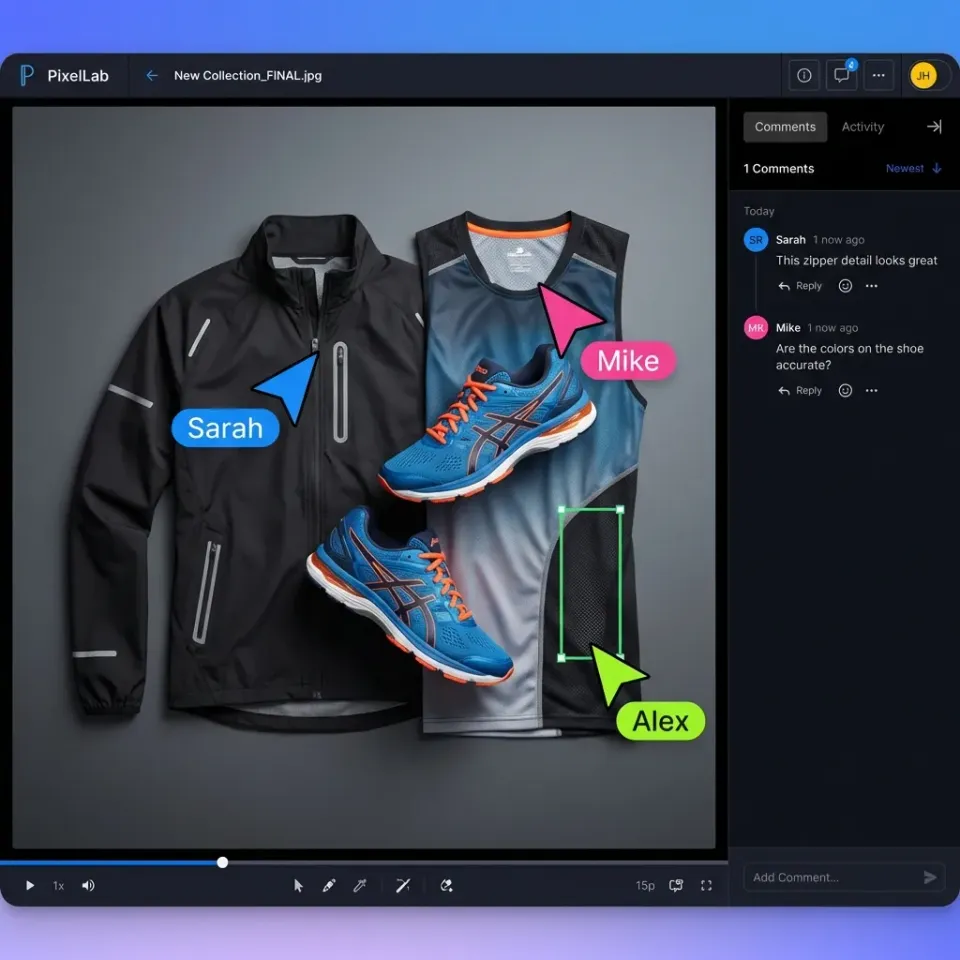
Fast.io handles professional audio workflows. Upload uncompressed WAV and AIFF files without size limits or quality loss. The waveform player lets collaborators scrub through tracks visually, and you can pin comments to specific timestamps. Shared workspaces keep all project files organized, with version history so you never lose a mix.
Dropbox works but treats audio like any other file. No waveform preview, no timestamp comments. Large session folders sync slowly, and the 2GB upload limit requires workarounds for bigger projects.
For Client Delivery
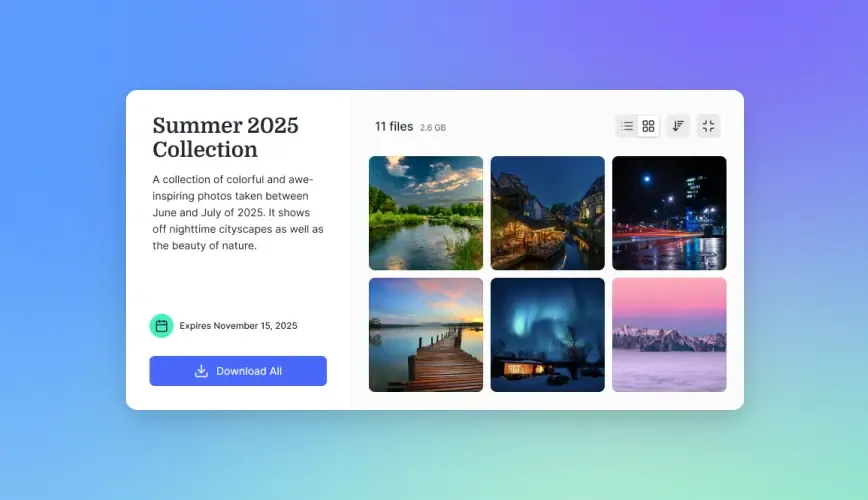
Fast.io provides branded portals where clients access their files without creating accounts. Password protection and expiration dates keep deliveries secure. View-only mode lets clients preview without downloading.
WeTransfer handles one-off deliveries but files expire after 7 days on free plans. No persistent storage means you'll re-upload for every delivery.
For Public Distribution
DistroKid and TuneCore distribute to streaming platforms (Spotify, Apple Music). They're built for releasing finished music to the public, not collaboration.
SoundCloud offers both streaming and download options. Good for building an audience, but limited control over who accesses your files.
Bandcamp lets fans stream and purchase downloads. Best for independent artists selling directly to listeners.
How Musicians Share Files: Common Workflows
Professional audio production involves moving files between multiple people at different stages. Here are the most common scenarios:
Recording to Mixing
The recording engineer exports stems (individual tracks) and sends them to the mix engineer. A typical session might include 40-80 stems at 24-bit/48kHz, totaling 5-15GB. The mix engineer needs every file intact, with no compression or format conversion.
Best approach: Use a platform with unlimited file sizes and folder uploads. Fast.io handles multi-gigabyte uploads without chunking or zip requirements.
Mixing to Mastering
Mix engineers deliver stereo bounces and instrumental versions including full mix, instrumental, TV mix (no lead vocal), and alternate mixes. Files are typically WAV or AIFF.
Artist to Label/Management
Artists share works-in-progress for feedback. The key need here is version control: keeping track of "Mix v3 revised" vs "Mix v3 revised FINAL" vs "Mix v3 revised FINAL2." Platforms with automatic version history prevent naming chaos.
Delivering to Clients
Composers and producers deliver finished work to clients (ad agencies, film productions, game studios). These deliveries often require:
- Multiple format versions (WAV, MP3, different sample rates)
- Organized folder structures
- Proof of delivery and download confirmation
- Password protection for unreleased material
Platform Comparison: Features That Matter
Here's how the major platforms compare on features professional musicians actually need:
File Quality
- Fast.io: No compression, originals preserved
- Dropbox: No compression
- Google Drive: No compression
- SoundCloud: Compresses to 128kbps MP3 for streaming
- WeTransfer: No compression
Maximum File Size
- Fast.io: No practical limit
- Dropbox: 2GB per upload
- Google Drive: 5TB
- SoundCloud: 500MB
- WeTransfer: 2GB free, 200GB Pro
Waveform Preview
- Fast.io: Yes, with visual navigation
- Dropbox: No
- Google Drive: Basic audio player only
- SoundCloud: Yes
- WeTransfer: No
Timestamp Comments
- Fast.io: Yes
- Dropbox: No (comments on file only)
- Google Drive: No
- SoundCloud: Yes (public comments)
- WeTransfer: No
Version History
- Fast.io: Automatic, unlimited versions
- Dropbox: 30-180 days depending on plan
- Google Drive: 30 days or 100 versions
- SoundCloud: Manual replacement only
- WeTransfer: None (files expire)
Setting Up a Music Collaboration Workspace
A well-organized workspace prevents the chaos that derails projects. Here's a structure that works for most music productions:
Folder Structure
Project Name/
├── 01_Sessions/        # DAW project files
├── 02_Stems/           # Individual track exports
├── 03_Bounces/         # Full mix renders
│   ├── Rough Mixes/
│   ├── Mix Revisions/
│   └── Final Masters/
├── 04_References/      # Inspiration tracks, client briefs
└── 05_Deliverables/    # Final files for handoff
Permission Levels
Not everyone needs access to everything. Set up permissions so:
- Recording engineer: Full access to Sessions and Stems
- Mix engineer: Access to Stems and Bounces
- Artist/Manager: View access to Bounces, no raw sessions
- Client: Download access to Deliverables only
Naming Conventions
Use consistent file names that sort correctly:
SongTitle_Mix_v01_YYYYMMDD.wavSongTitle_Stem_Drums_Kick.wavSongTitle_Master.wav
The date in the filename eliminates confusion about which version is newest.
Where to Upload Music for Others to Download
The answer depends on who's downloading and why:
For collaborators (private sharing)
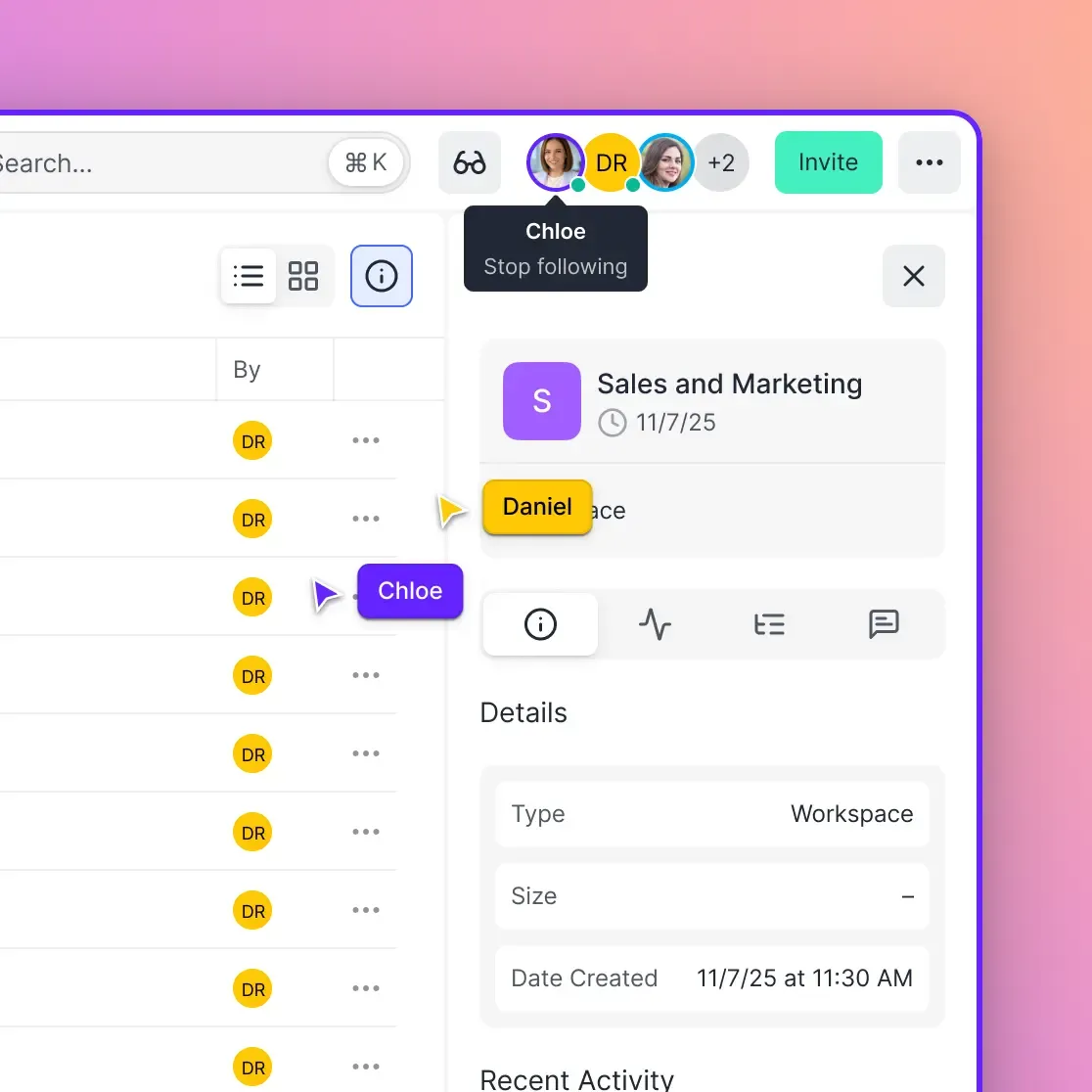
Use a workspace-based platform like Fast.io or Dropbox. Collaborators get persistent access to files that update as you work. No re-sending links every time you make changes.
For clients (secure delivery)
Use branded portals with password protection. Fast.io lets you create client portals with your branding. Set expiration dates if you want files to disappear after the project ends.
For fans (public download)
Bandcamp handles paid downloads with automatic delivery. For free downloads, SoundCloud's download button works, though you lose control once files are out there.
For distribution (streaming platforms)
DistroKid, TuneCore, or CD Baby get your music onto Spotify, Apple Music, and other streaming services. These aren't sharing platforms, they're distribution services that handle licensing and royalty collection.
Security for Unreleased Music
Unreleased tracks leak all the time. Here's how to reduce the risk:
Watermarking: Some platforms embed inaudible watermarks that identify who downloaded a file. If a track leaks, you can trace it back to the source.
Access controls: Limit who can download files. View-only access lets people listen without getting a copy. Fast.io's link controls include password protection, expiration dates, and domain restrictions (only accessible from specific email domains).
Audit logs: Know who accessed what and when. If something leaks, audit trails help identify the source. This is standard in professional data rooms and increasingly available in file sharing platforms.
NDA tracking: For major releases, pair technical controls with legal agreements. Some platforms integrate document signing so you can require an NDA before granting access. None of this is foolproof, anyone with access can screen-record audio. But layers of protection deter casual sharing and create accountability.
Frequently Asked Questions
What is the best platform to share music?
It depends on what you're doing. For professional collaboration with uncompressed audio files (WAV, AIFF), Fast.io or Dropbox preserve file quality. For client delivery, Fast.io's branded portals keep things organized. For public distribution to streaming services, DistroKid or TuneCore handle licensing and royalties. For building an audience, SoundCloud offers streaming with optional downloads.
How do musicians share files?
Musicians share files through cloud storage platforms (Fast.io, Dropbox, Google Drive), dedicated transfer services (WeTransfer), or direct upload to collaboration tools. A typical project involves sharing stems, bounces, and session files totaling 5-15GB. What matters most: preserving audio quality, handling large file sizes, and tracking versions across multiple revisions.
Where can I upload music for others to download?
For private sharing with collaborators, use workspace-based platforms like Fast.io that provide persistent access and version history. For public downloads, Bandcamp handles paid releases while SoundCloud offers free download options. For streaming platform distribution (Spotify, Apple Music), use services like DistroKid or TuneCore that handle licensing and royalty collection.
What's the difference between music streaming and music sharing platforms?
Streaming platforms (Spotify, Apple Music, SoundCloud) compress audio for efficient playback and typically don't provide download access to original files. Sharing platforms (Fast.io, Dropbox, WeTransfer) transfer the actual files at full quality, allowing recipients to download and use them in their own projects. Professional musicians need sharing platforms for collaboration, then use distribution services to get finished music onto streaming platforms.
How do I share large audio files without compression?
Use a file sharing platform that doesn't re-encode uploads. Fast.io, Dropbox, and Google Drive all preserve original file quality. Avoid services that convert uploads to streaming formats (like SoundCloud). For large files, check the platform's upload limits. Fast.io has no practical limits, while some services require splitting large uploads.
Related Resources

Run Music Sharing Platforms For Professional Audio workflows on Fast.io
Fast.io preserves audio quality for professional collaboration. Upload WAV, AIFF, and large session folders with waveform preview and timestamp comments.