How to Send Large Files for Free (Without the Hidden Catches)
Free large file transfer services let you send files too big for email without paying subscription fees. But "free" often comes with strings attached: size caps, expiring links, and slow speeds. This guide breaks down what each service actually offers, what they hide in the fine print, and how to send files up to 10GB or more without compromises.
Why Email Can't Handle Large Files: free large file transfer
Email attachments hit a wall at 25MB on most providers. Gmail, Outlook, and Yahoo all enforce this limit. That means a single 4K video clip, a RAW photo set, or a modest PDF presentation can exceed what email allows. The workaround most people try first: cloud storage links. Upload to Google Drive or Dropbox, share a link. This works until you hit storage quotas or need to share with someone outside your organization. Free large file transfer services fill this gap. They accept files far larger than email allows and generate download links you can send to anyone. No account required for recipients.
What Free Services Actually Offer in 2026
Not all free tiers are created equal. Here's what the major services provide without payment:
WeTransfer - 2GB per transfer, files expire after 7 days. No password protection on free tier.
TransferNow - 5GB per transfer, 7-day expiration. Basic encryption included.
Filemail - 5GB per transfer, 7-day link expiration. Desktop apps available.
SwissTransfer - 50GB per transfer, up to 30 days retention. Swiss privacy laws apply.
Smash - Says "no size limit" but throttles download speeds for free users. 14-day expiration.
SendBig - 5GB standard, 30GB with free account creation. 7-day expiration. The pattern: every free service imposes either size limits, time limits, or both. Your files disappear after a week or two whether recipients downloaded them or not.
The Hidden Costs of Free File Transfer
Free services make money somehow. Here's how:
Advertising - WeTransfer shows full-screen ads during uploads and on download pages. Your recipients see them too.
Speed throttling - Some services slow download speeds for free users. A large file can take hours instead of minutes.
Link expiration - When files expire, you lose that work. Need to reshare? Upload everything again.
Storage limitations - Free tiers often cap total storage, not just per-transfer size. Hit the limit and you're locked out.
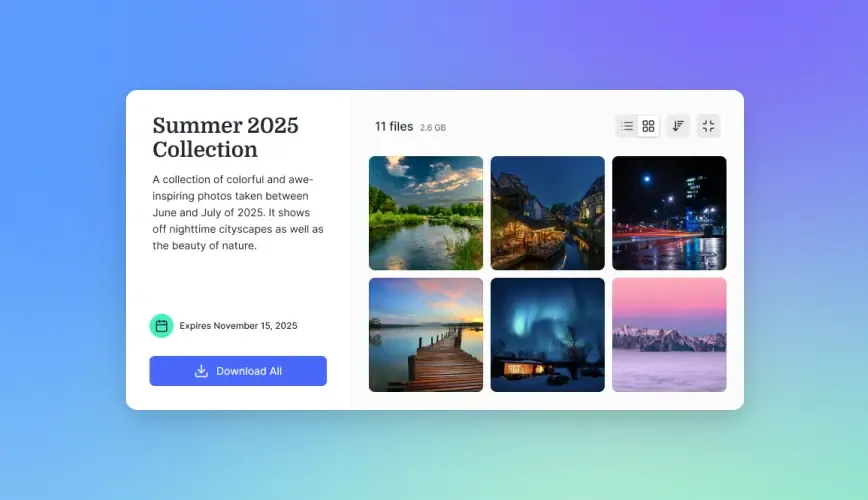
No link controls - Password protection, download limits, and access revocation are usually paid features.
Data location - Many services store files on servers in jurisdictions you might not choose. SwissTransfer is an exception with guaranteed Swiss hosting. For sharing vacation photos? These tradeoffs are fine. For client work? Expired links and ads make you look unprofessional.
How to Send a large file for Free
Files over 5GB need the right tool. Here are your options:
Option 1: SwissTransfer - Upload up to 50GB per transfer. Set retention between 1-30 days. No account required, but files still expire.
Option 2: Smash - Technically unlimited file sizes. Expect slow downloads without paying. Good for non-urgent transfers where speed doesn't matter.
Option 3: SendBig Pro (free tier) - Create an account for 30GB transfers instead of 5GB. Account creation takes 2 minutes.
Option 4: Split archives - Use 7-Zip or WinRAR to split files into chunks under 5GB. Upload separately, share all links. Recipients reassemble. Clunky but works. For files over 50GB, free options run out. You'll need paid services or a cloud storage subscription.
Is WeTransfer Still Free?
Yes, WeTransfer still offers a free tier in 2026. But it's more limited than many remember. The free version allows:
- large maximum per transfer (down from historic limits)
- 7-day link expiration
- No password protection
- Ads on upload and download pages
- Email-based transfers only (no direct links without account)
WeTransfer Pro costs around published pricing and raises the limit to 200GB, adds password protection, and removes ads. For professional use, the large limit and lack of link controls make free WeTransfer impractical. The service works fine for sharing a few photos with family, but business deliverables often exceed 2GB.
When Free Services Fall Short
Free file transfer works for one-off sharing. It falls apart when you need:
Persistent links - Sent a download link to a client who's on vacation? With expiring links, they'll return to a dead URL.
Version control - Updated the file after sharing? Free services require starting over with a new upload and new link.
Access tracking - Did the recipient download the file? Most free services don't tell you.
Revocation - Shared with the wrong person? Free tiers rarely let you disable links.
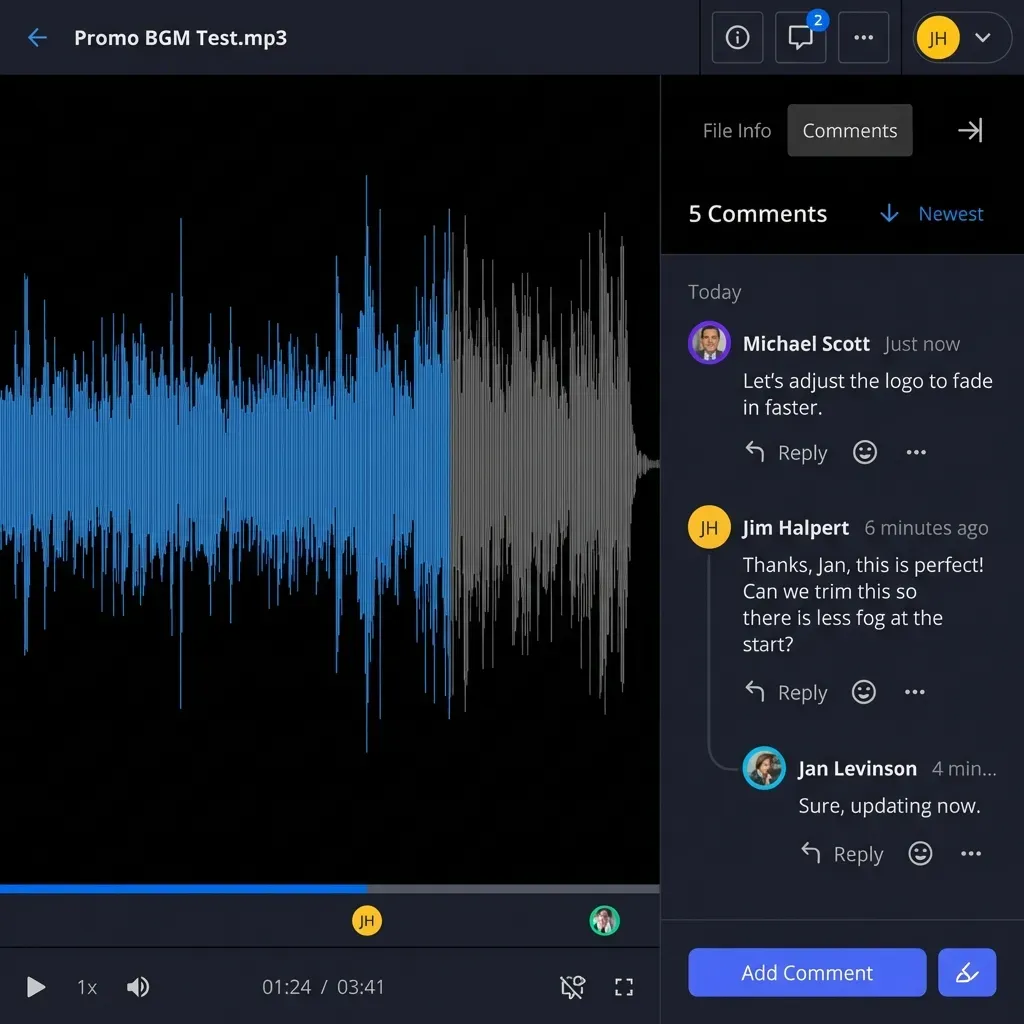
Collaboration - Comments, approvals, and team feedback don't exist in transfer-only services. At some point, these limitations push most teams toward cloud storage. The model flips: instead of transferring files, you share access to files that stay in one place.
Alternatives to Transfer-Based Sharing
Cloud storage flips the model. Files stay in one place. You share access, not copies.
Google Drive - 15GB free storage. Files don't expire, but storage fills up fast with large files.
Dropbox - 2GB free storage. Files persist but the storage limit is tight for video work.
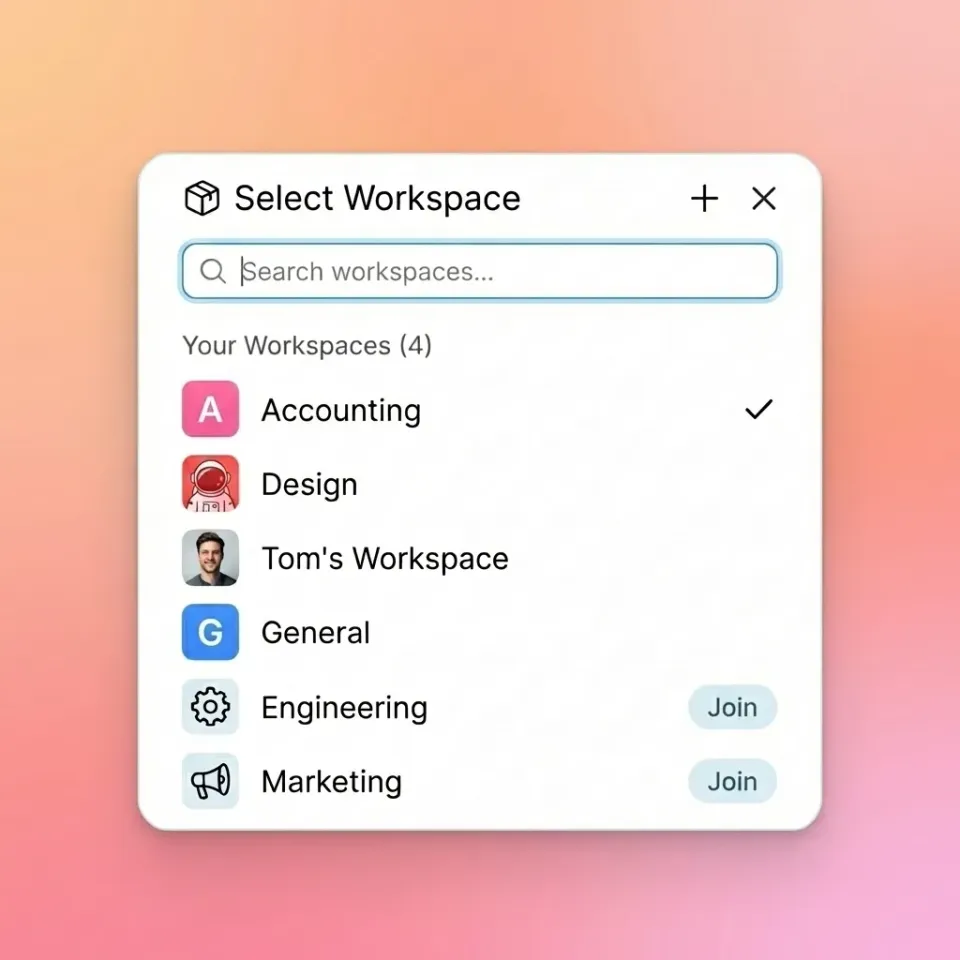
OneDrive - 5GB free with Microsoft account. Integrates well with Office documents. These platforms fix the expiration problem but create new ones: storage quotas, sync conflicts, and per-seat pricing as your team grows. Fast.io works differently. Your files stay in persistent workspaces, no expiration dates. You get password protection, optional expiration, and download limits on every share link. Recipients don't need accounts and don't count against your seats. For teams sharing large files regularly, the math often favors usage-based storage over per-transfer services.
Choosing the Right Tool for Your Needs
Match the tool to the job:
Occasional personal sharing
Use WeTransfer or TransferNow. The free limits work fine for vacation photos or sharing music with friends.
One-time large transfers (10GB+)
SwissTransfer handles up to 50GB. For larger files, Smash works if you don't mind slow downloads.
Professional client deliverables
Free services create problems. Expired links, ads on download pages, and no tracking make your business look unprofessional. Consider cloud storage with branded sharing portals.
Recurring team collaboration
Transfer services don't fit this use case. Every new version requires a new upload. Look at workspace-based storage where files persist and versions are tracked.
Sensitive or regulated files
Free services provide minimal security guarantees. If you're handling contracts, medical records, or financial documents, you need encryption at rest, audit logs, and access controls that free tiers don't offer.
Frequently Asked Questions
What is the best free way to send large files?
For files under 5GB, TransferNow and Filemail offer reliable free transfers with 7-day link expiration. For larger files up to 50GB, SwissTransfer provides the most generous free tier. Each service has tradeoffs: size limits, expiration dates, or throttled speeds.
How can I send a large file for free?
SwissTransfer accepts up to 50GB per transfer on its free tier, with links valid for up to 30 days. Smash technically has no size limit but throttles download speeds for free users. Creating a free SendBig account raises the limit from 5GB to 30GB.
Is WeTransfer still free?
Yes, WeTransfer offers a free tier with a large limit per transfer, 7-day link expiration, and no password protection. The free version includes ads on upload and download pages. WeTransfer Pro costs around published pricing for larger transfers and link controls.
Why do free file transfer links expire?
File storage costs money. Free services limit link duration to manage their server costs. Typical expiration ranges from 7 to 30 days. After expiration, files are deleted from servers and links stop working.
Can I send files larger than 50GB for free?
No reliable free option exists for files over 50GB. You can split large files into smaller chunks using archive software like 7-Zip, but this requires recipients to reassemble them. For regular large file transfers, paid services or cloud storage subscriptions are more practical.
Related Resources

Share Large Files Without Limits
Fast.io gives you usage-based cloud storage built for free large file transfer. Get streaming previews, AI-powered search, and unlimited guest sharing. Start with a free account, no credit card required.